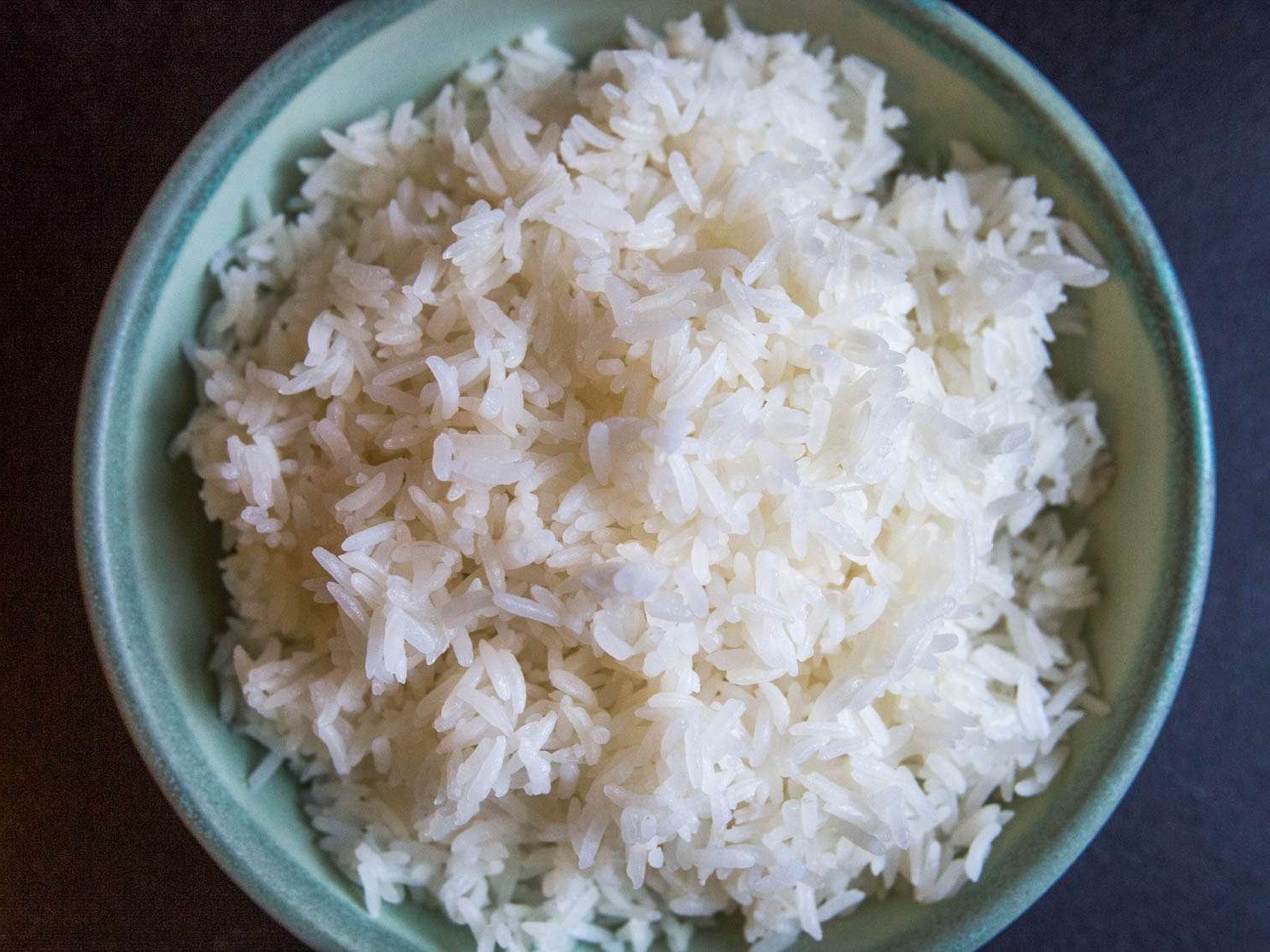
The Health Benefits of Jasmine Rice: A Nutritional Guide

Jasmine rice, a long-grain variety from Thailand, is celebrated for its floral aroma and slightly sticky texture. It offers essential carbohydrates, serving as a primary energy source. While white jasmine rice may lead to rapid blood sugar spikes due to higher glycemic index, brown jasmine rice provides more fiber and nutrients, making it a healthier option. Balancing its intake within a varied diet is key to reaping its nutritional benefits.
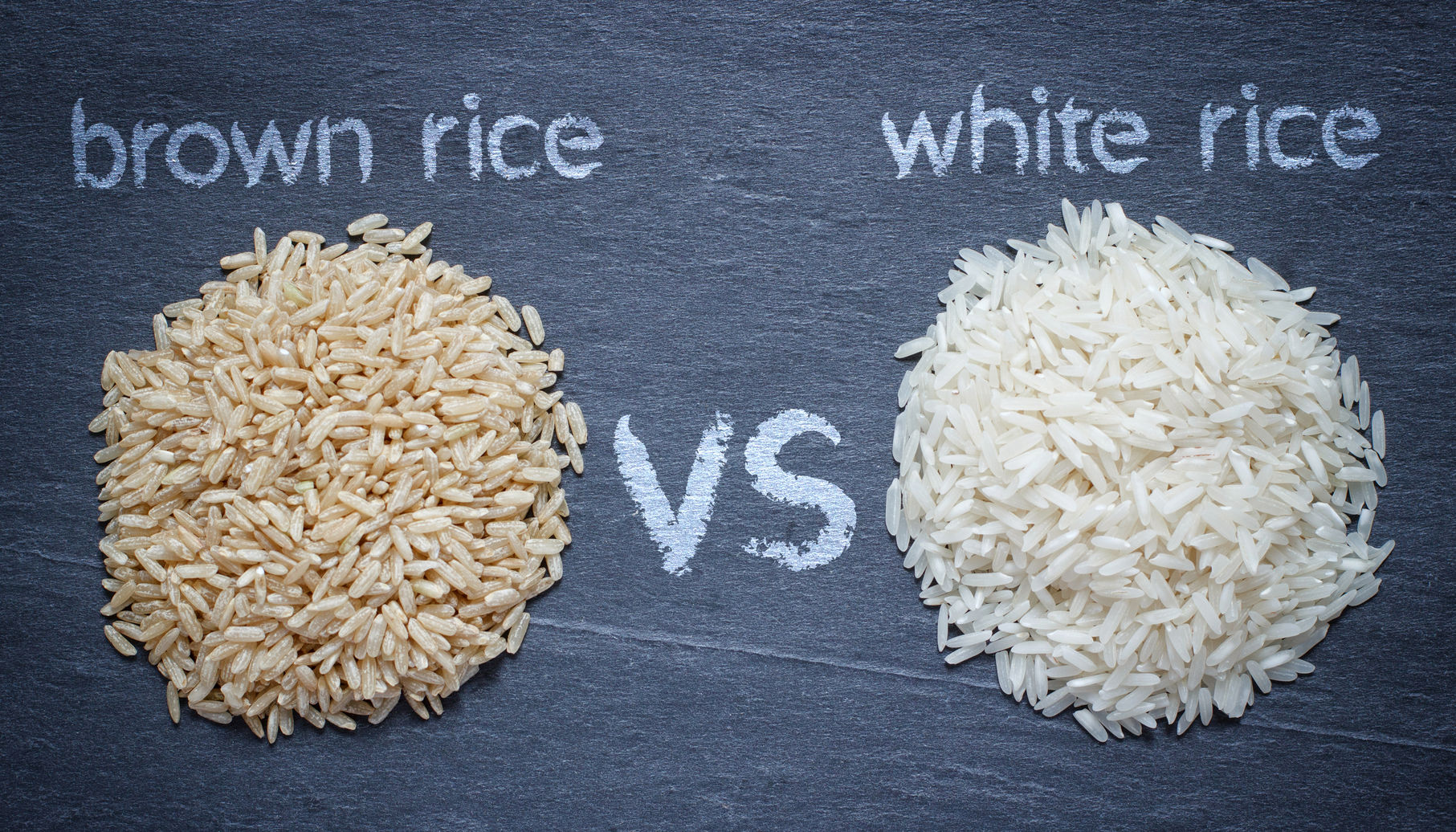
Brown vs. White Rice: Which Is Better for Your Health?

Brown rice and white rice are both popular staples worldwide, differing notably in nutritional content and processing. Brown rice, a whole grain, retains its nutrient-rich bran and germ layers, offering more fiber, vitamins, and minerals like magnesium and B vitamins. White rice, with these layers removed during processing, is softer and quicker to cook but has a higher glycemic index. Health-conscious individuals may prefer brown rice for its benefits, including fiber’s role in digestive and heart health. White rice, often fortified with nutrients, remains a versatile culinary staple.

Select Wishlist

    Left Menu Icon
    Your Cart


