

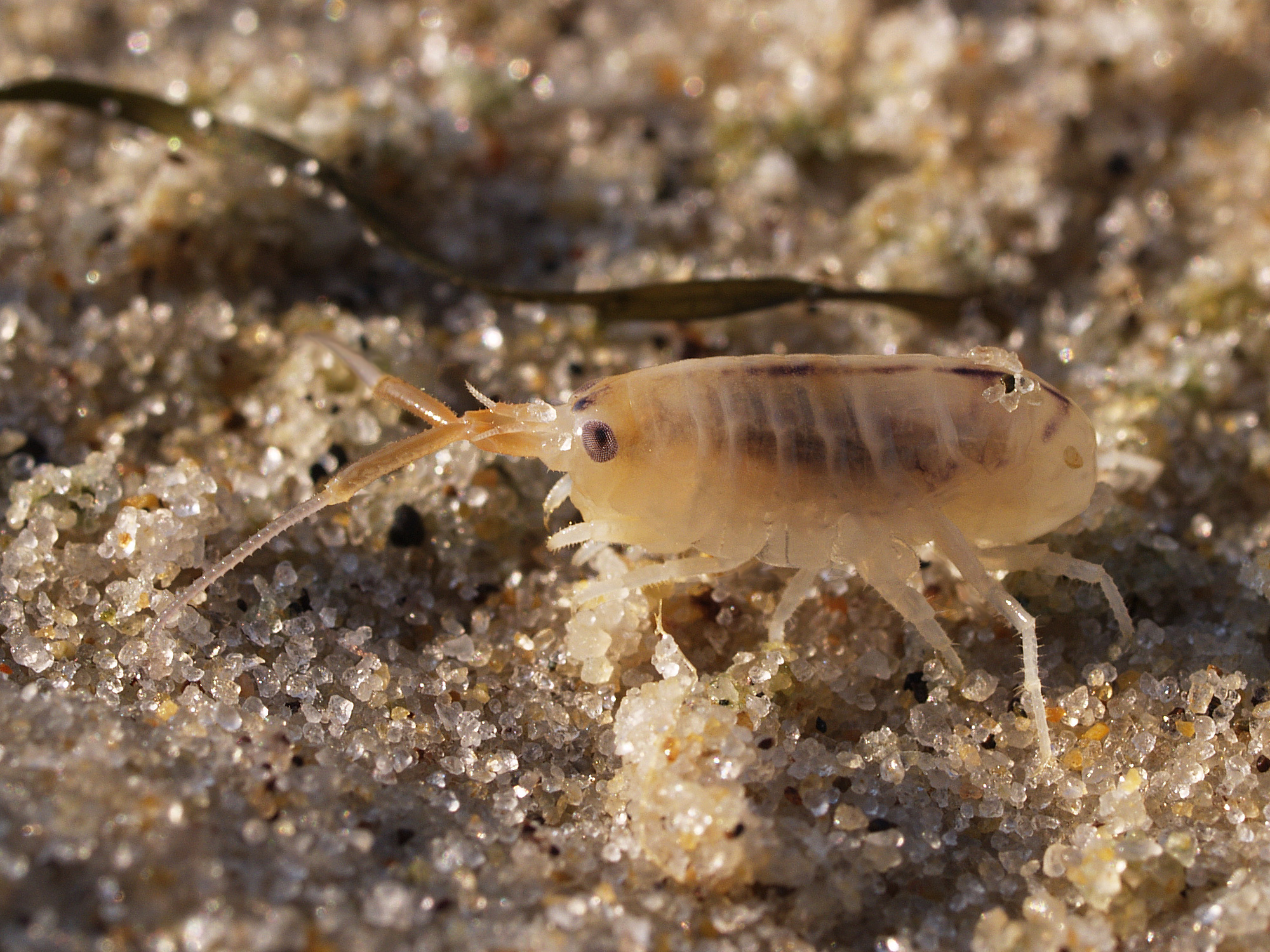
Fleas in Sand and Their Impact on Coastal Ecosystems
Fleas in sand are small, wingless insects thriving in warm, humid climates. Their life cycle includes four stages: egg, larva, pupa, and adult. Eggs can accumulate in sandy areas, leading to larvae that feed on organic matter and eventually emerge as adults. Sandy environments can temporarily shelter flea eggs introduced by animals or humans. To prevent fleas in sand, maintain hygiene for pets, clean sandy areas, and use anti-flea sprays. Environmental changes like trimming grass and removing debris can help manage flea populations. Understanding their life cycle aids in prevention and management.