Body Strength: The Ultimate clue to Mastering Dip Exercises

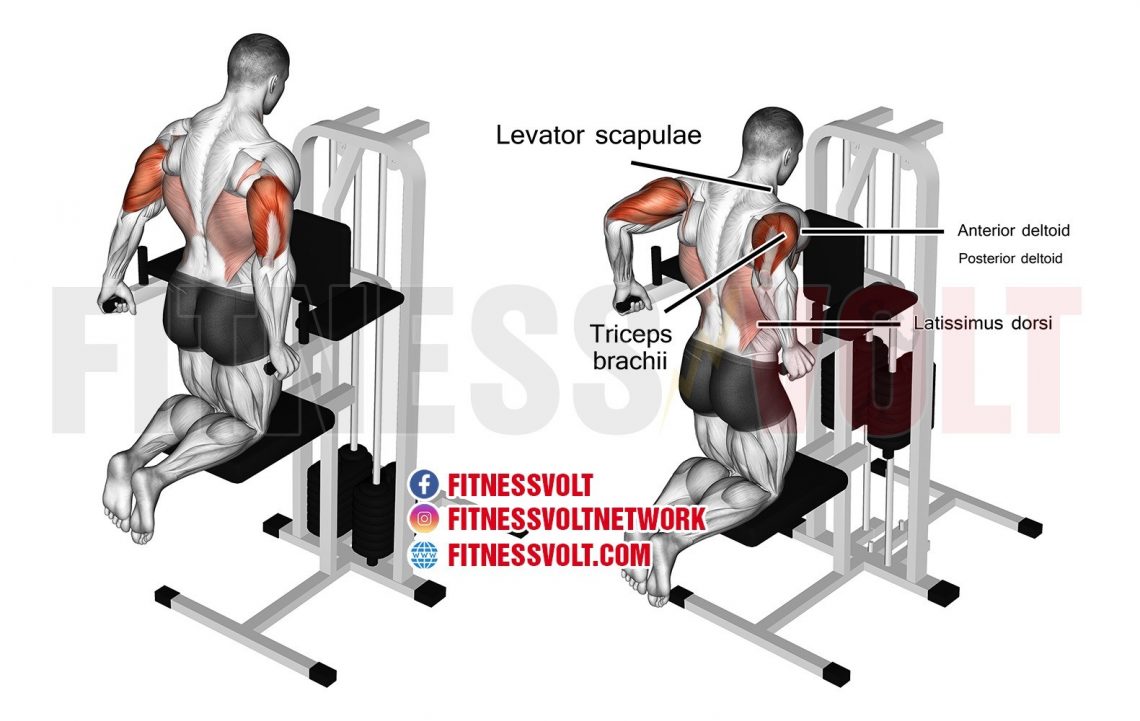
Dip exercises focus on upper body strength, notably enhancing muscle mass in the chest, shoulders, and triceps. Utilizing parallel bars or a dip station, they employ body weight resistance. Performing a dip necessitates bending at the elbows, descending until they reach a roughly 90-degree angle, and then pushing back to the starting stance. Adjustments like forward leaning target the chest more, while an upright posture emphasizes the triceps. Incorporating added weight or resistance bands can boost the workout’s intensity and effectiveness, contributing to joint health and increased shoulder flexility.

The Ultimate clue to Effective Traps Workouts

Trap exercises primarily focus on strengthening and developing the trapezius muscles, which span the back of the neck, across the shoulders, and down to the mid-back. A well-developed trapezius improves the aesthetic of the upper body by providing greater shoulder width and posture. Common exercises targeting these muscles include shrugs, upright rows, and face pulls. Incorporating trap exercises into a regular workout regimen can lead to improved athletic performance, as stronger traps contribute to better posture, balance, and strength in various compound movements.

Master the Dip: Unlocking Upper Body Strength

Dips are a classic bodyweight exercise that enhance upper body strength by targeting the chest, triceps, shoulders, and core. This versatile exercise can be done using parallel bars or a sturdy bench, making it suitable for both gym and home workouts. Maintaining good form is crucial; keep the torso upright and elbows close to minimize shoulder strain. By adjusting bar width or foot placement, dips can be tailored for various fitness levels, promoting muscle endurance and a balanced upper body physique. Regular inclusion in workouts ensures comprehensive muscle engagement and growth.

Unlock Superior Shoulder Strength: The Benefits of Cable Upright Rows

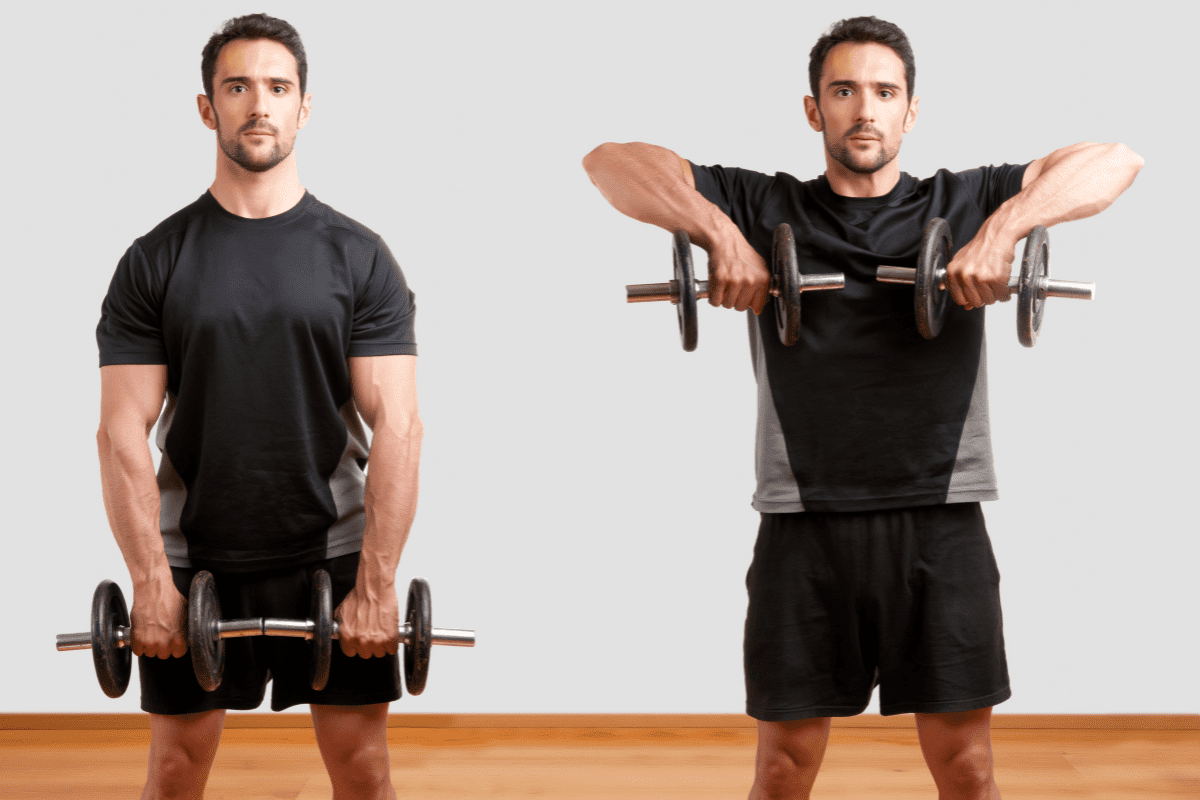
Cable upright rows are a strength training exercise that targets the shoulders, particularly the deltoids, and the trapezius muscles of the upper back. Using a cable machine provides stable, consistent resistance, making it an effective alternative to free weights. To perform, attach a bar to the low pulley, stand with feet shoulder-width apart, grip the bar, and pull it upwards towards your chin. This exercise promotes proper posture, reducing shoulder impingement risks, and is valuable for enhancing shoulder definition and strength.

Boost Your Shoulder Workout: Seated Lateral Raises

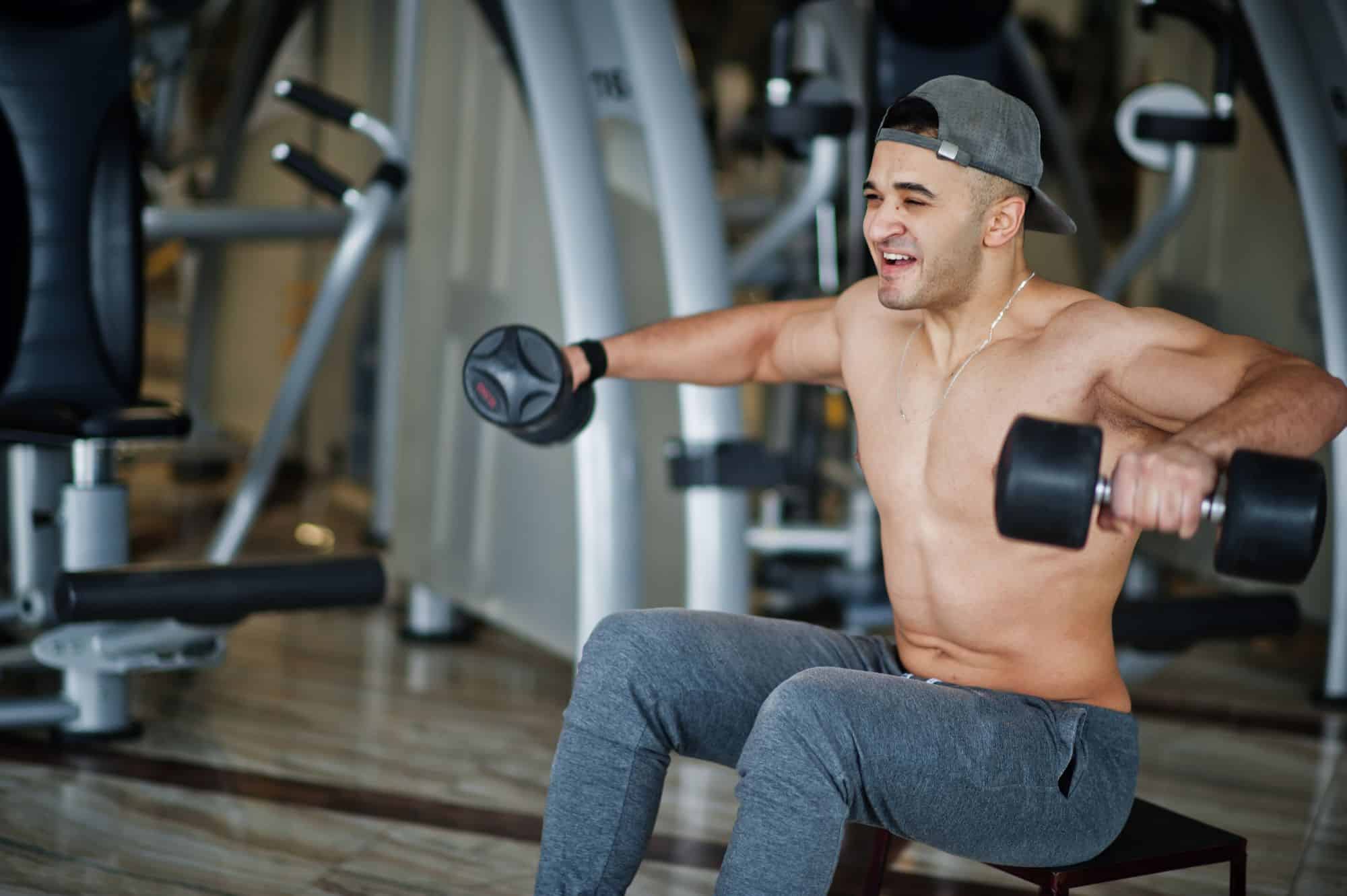
The seated lateral raise effectively targets shoulder muscles, mainly the lateral deltoids, by reducing momentum use and enhancing muscle isolation. It involves lifting dumbbells to the sides with a slight elbow bend, focusing effort on shoulders to boost definition and strength. Proper posture and controlled movements maximize benefits and safety.

Military Press: Building Shoulder Strength with Dumbbells

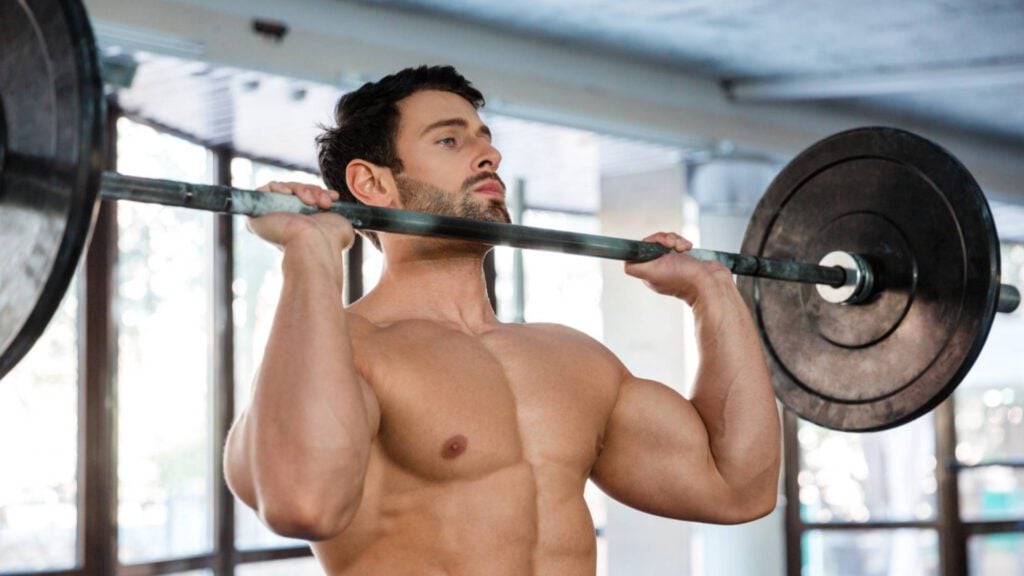
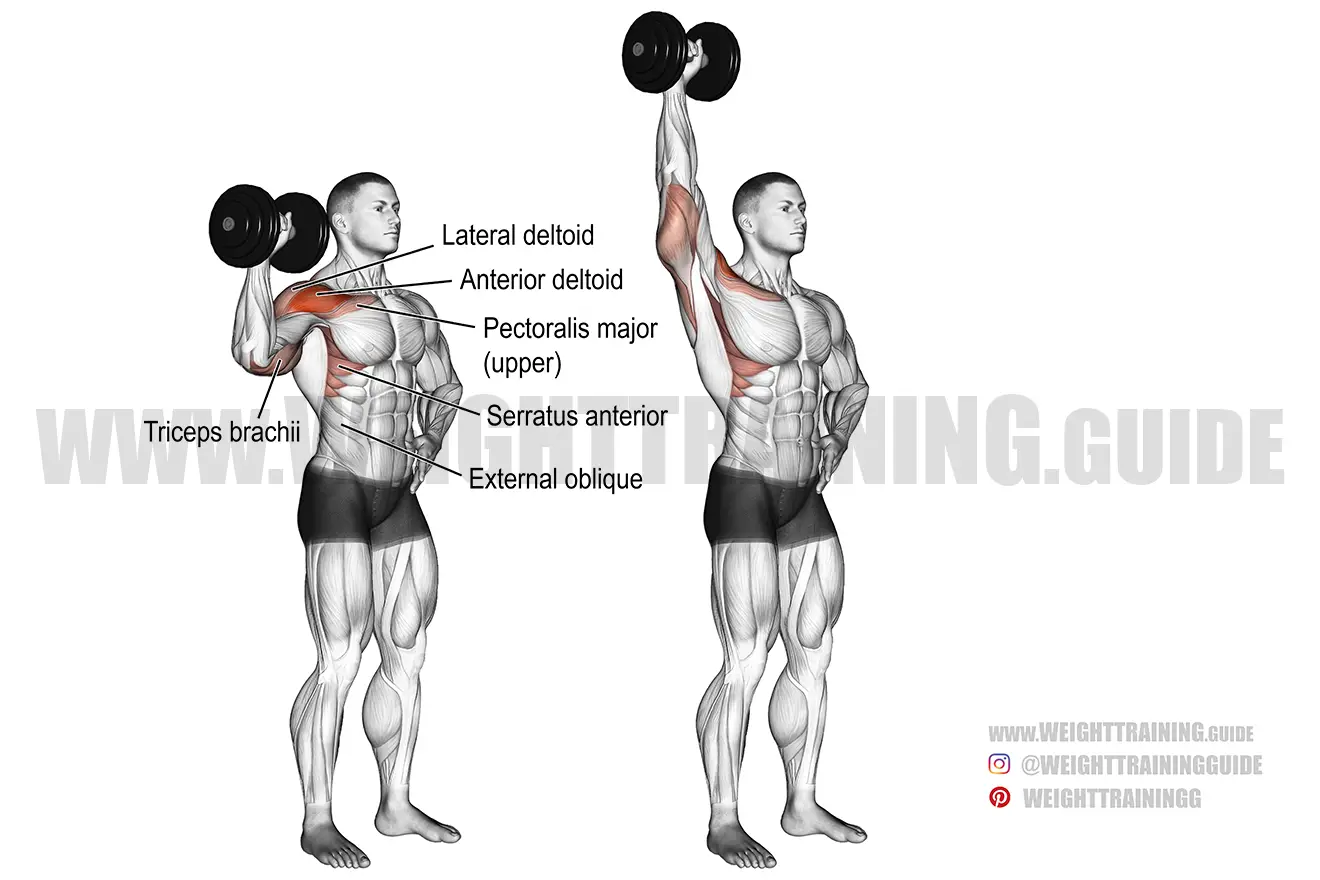
The military press dumbbell (db) exercise enhances upper body strength by targeting the shoulders, upper chest, and triceps. Utilizing dumbbells allows a longer range of motion compared to barbells, potentially leading to more muscle activation and growth. It also aids in correcting muscular imbalances as each limb works independently, promoting symmetrical muscle development and reducing injury risk. Proper form, such as engaging the core and avoiding excessive arching of the back, is crucial to maximize benefits and minimize injury risk. Variations like the Arnold and Seated Press add diversity.

Shrugs: What This Universal Gesture Really Means

Shrugging one’s shoulders is a common non-verbal gesture that conveys a range of emotions and messages depending on the context in which it is used. Typically, a shoulder shrug is interpreted as a sign of uncertainty, indifference, or lack of knowledge. It involves raising both shoulders, often accompanied by upturned palms or an expressionless face, to indicate that a person does not have an answer to a question or does not care about the outcome.

Essential Rotator Cuff Stretches for Pain-Free Shoulders

Stretching the rotator cuff is essential for shoulder health, particularly for activities involving repetitive arm motions. The rotator cuff’s four muscles and tendons stabilize the shoulder and allow diverse arm movements. Stretches like the cross-body stretch improve flexibility, circulation, and reduce tension, aiding in stiffness alleviation and preventing conditions like impingement syndrome. Regular, gentle stretching as part of a broader shoulder program supports optimal function and longevity.

Shrugs shoulders

The article “Understanding Shrugs Shoulders: An Educational Overview” discusses the shrugs shoulders exercise, focusing on enhancing upper trapezius strength for improved posture and injury prevention. Execution involves lifting shoulders towards the ears with controlled motions, and benefits include posture enhancement and injury prevention. Avoiding excessive weight and shoulder rotation is crucial. The article also highlights the importance of proper form for maximizing exercise benefits and discusses how the exercise fits into a regular fitness routine.

Pain-Free Chain Training for Shoulders

SPONSORED BY:“Examorelin: A New Horizon in Peptide Therapy for Growth Hormone Deficiency”Before you check out this new video, please consider joining the new Diesel newsletter. Get innovative muscle building, strength training, and effective workout tips right to your inbox! Your leverage changes in every exercise. There are some positions where you’re ‘weaker’ and the dynamicallyRead More

Select Wishlist

    Left Menu Icon
    Your Cart