Common Causes of Bumps on Nipple

Bumps on the nipple can be a source of worry but are often harmless and benign. They may arise from Montgomery glands, which lubricate the nipple, or due to hormonal changes during menstrual cycles and pregnancy. While most bumps are non-threatening, it’s essential to monitor any changes in size or appearance, as these could require medical evaluation to rule out more serious conditions. Consulting a healthcare professional ensures appropriate management and peace of mind.

The Science Behind Hickeys: What Happens Under Your Skin?

Hickeys, often colloquially referred to as love bites, are skin discolorations from suction or biting that burst capillaries just beneath the surface. Typically found on the neck, shoulder, or arm, they start as red marks and turn purple, blue, or greenish-yellow as they heal. While usually harmless, they serve as visible signs of affection, sparking curiosity or conversation. Healing can take days to weeks, with remedies like cold compresses or massage used to expedite the process. Acceptance varies, being either embraced or discreetly concealed, depending on cultural or social contexts.

Peptides: In Skin Tightening and Anti-Aging Treatments

Peptides are short chains of amino acids that serve as fundamental building blocks of proteins such as collagen and elastin, which are vital for maintaining skin’s firmness and elasticity. As we age, our natural production of collagen diminishes, leading to sagging and wrinkles. Incorporating peptides into skincare can help counteract these effects by signaling the skin to boost collagen production, thereby enhancing skin firmness and reducing sagging.

The Ethics of Melanotan II: Navigating Tanning Practices in a Health-Conscious World

Melanotan II, a synthetic analog of the peptide hormone α-MSH, has garnered attention for its sunless tanning and potential weight loss benefits. Initially developed in the 1980s to prevent skin cancer by increasing melanin, it is also noted for appetite suppression and libido enhancement. Despite these features, Melanotan II faces controversy due to lack of FDA approval and limited research on long-term effects. Potential side effects include nausea and skin changes, urging users to consult healthcare professionals. It’s a blend of beauty and scientific curiosity that necessitates cautious exploration.

Tanning Without Sun: Melanotan’s Role in the Fight Against UV Damage

Melanotan is a lab-engineered peptide that mimics the hormone responsible for melanin production, encouraging a tan without excessive sun exposure. Beyond tanning, it may offer benefits like anti-aging properties and appetite control. However, potential side effects such as nausea and increased pigmentation highlight the need for medical consultation. Regulatory bodies caution against its use, emphasizing the importance of informed decisions. Despite interest in its skincare and wellness applications, careful consideration is essential before incorporating Melanotan into one’s routine.

Melanotan and Skin Cancer: Debunking Myths and Presenting Facts

Melanotan is a synthetic analogue of the naturally occurring melanocortin peptide hormone alpha-melanocyte-stimulating hormone, which stimulates melanogenesis—the production of melanin in the skin. Developed initially for therapeutic applications, Melanotan is now popular as a tanning agent. However, its safety is unverified, leading to medical caution.

Is Melanotan II the Future of Sunless Tanning?

Melanotan II is a synthetic peptide mimicking α-MSH, promoting melanin production for tanning without sun exposure. Initially developed for skin cancer prevention, it also reportedly suppresses appetite and enhances libido. Injected subcutaneously, its unregulated status poses safety concerns, with side effects like nausea and flushing. Caution is advised.

Melanotan II and Skin Cancer: Separating Fact from Fiction

Melanotan II is a synthetic analog of the naturally occurring hormone α-melanocyte-stimulating hormone (α-MSH). Initially developed for skin cancer prevention by enhancing the body’s natural tanning mechanisms, it increases melanin production, which darkens the skin and provides a protective barrier against UV rays. Additionally, it’s noted for effects on appetite suppression and libido enhancement. Despite its availability through grey markets, Melanotan II remains unapproved by major medical bodies like the FDA due to concerns over safety and potential side effects.

The Impact of Melanotan II on Skin Health

Melanotan II, a synthetic peptide analog of alpha-melanocyte-stimulating hormone (α-MSH), was initially developed to stimulate melanin production, offering a tanned effect without sun exposure. While it has gained attention for potential benefits like enhanced libido and weight management, it is not approved in many countries, including the U.S., due to safety concerns. Users may experience side effects such as nausea and changes in moles or freckles. The unregulated market raises risks of quality issues, prompting medical caution and thorough research before considering its use.

The Rise of Melanotan: How Social Media Influences Tanning Trends

Melanotan is a synthetic peptide mimicking the hormone α-MSH, crucial for skin pigmentation. It stimulates melanin production, leading to a sunless tan. Though noted for benefits like UV protection and appetite suppression, it remains unapproved by major health agencies. Users should consult professionals due to potential risks.

The Dark Side of Tanning: Health Implications of Melanotan Use

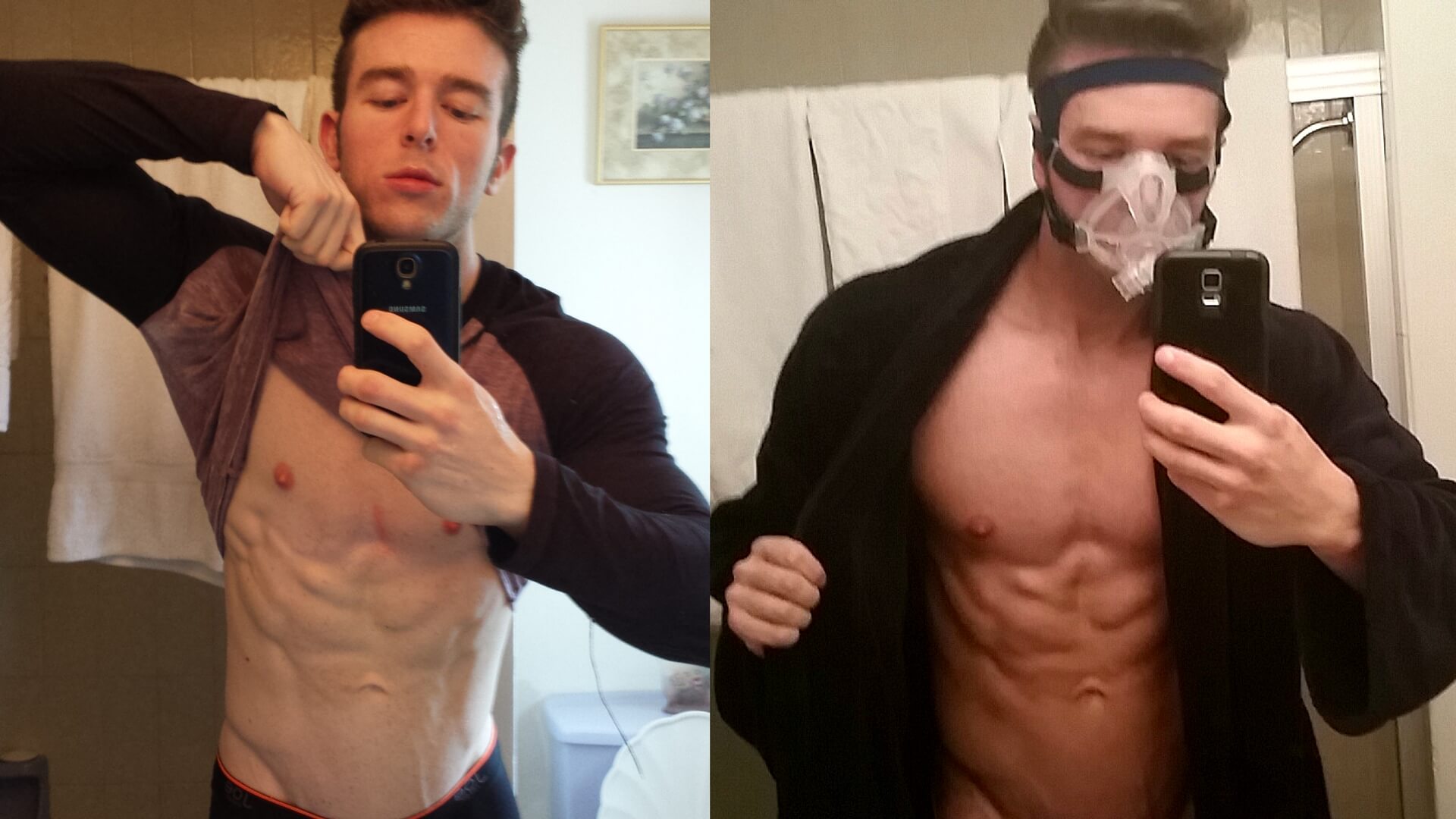
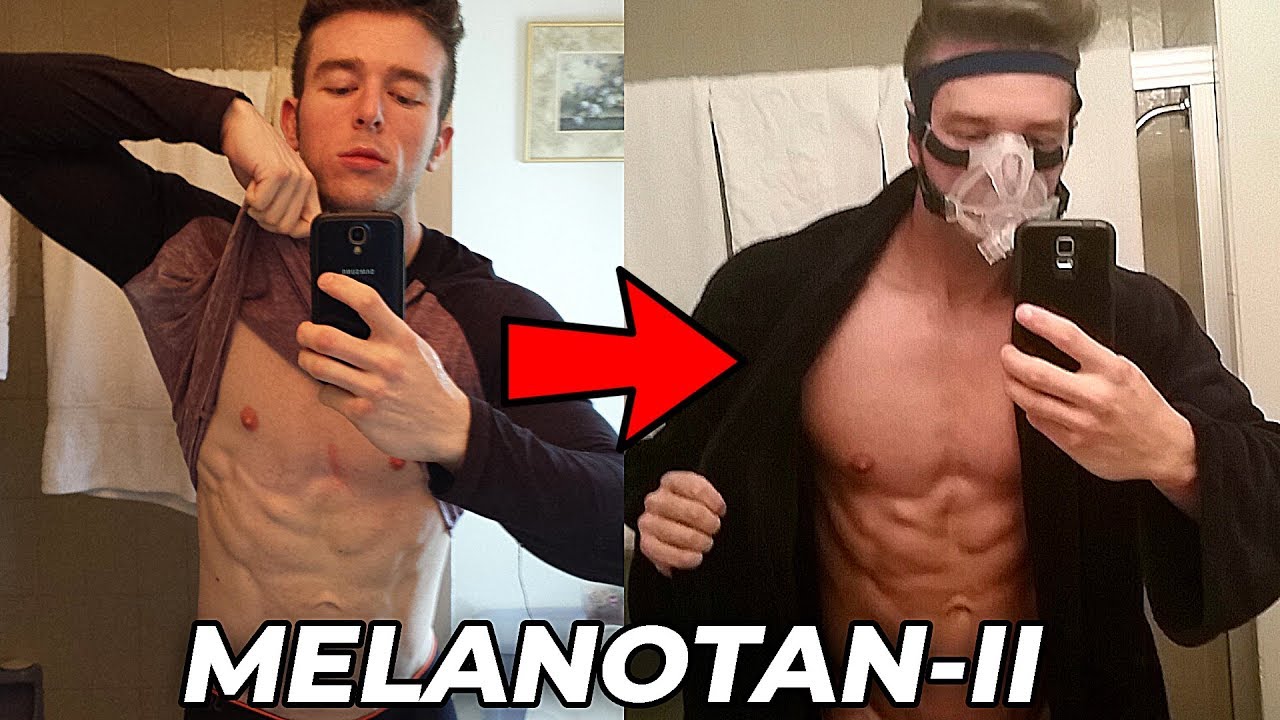
Melanotan, often called the “Barbie Drug,” is a synthetic peptide gaining attention in fitness circles for its tanning effects by boosting melanin. It mimics melanocyte-stimulating hormone, binding to receptors for darker skin without UV exposure. Besides tanning, it’s linked to appetite suppression and increased libido. Yet, its risks include nausea and hyperpigmentation, coupled with legal controversies. Users are urged to consult healthcare providers, recognizing its unregulated status and potential side effects. Caution is advised due to limited long-term safety studies.

Understanding Melanotan: An In-Depth Guide

Melanotan is a synthetic peptide that mimics the alpha-melanocyte-stimulating hormone, aimed at promoting skin tanning. This compound, available as Melanotan I and Melanotan II, was initially designed to encourage melanin production for potential skin cancer prevention. While Melanotan II also suppresses appetite and boosts libido, it has notable side effects such as nausea. Despite its appeal for achieving tans without sun exposure, Melanotan lacks FDA approval, highlighting legal and health concerns due to insufficient research. Consumers should seek medical advice before use.

Accutane: Skin Benefits, Potential Risks

Accutane, known generically as isotretinoin, is a powerful medication primarily used to treat severe acne that hasn’t responded to other treatments. Developed in the early 1980s, it has been a game-changer for dermatologists and their patients facing challenging acne conditions. Accutane works by reducing the amount of oil released by oil glands in the skin,Read More

Steroids Impact on Skin Health

Steroids and Accutane are two medications that have garnered attention in both the medical community and popular culture due to their effectiveness and the controversies that surround their use. Understanding these substances involves delving into their uses, benefits, side effects, and the caution that must be executed when considering their prescription.   SPONSORED BY:“Examorelin andRead More

Melanotan II: A Closer Look at the Popular Peptide for Tanning

In recent years, Melanotan has gained significant attention for its effects on skin pigmentation. Originally developed as a medication for those with certain skin conditions, this sunless tanning peptide has found its way into the cosmetic and bodybuilding communities. With debates ranging from its efficacy to safety, Melanotan presents a fascinating case study on theRead More

The Rise of Melanotan II: Why Are People Turning to Tanning Injections?

In the ever-evolving landscape of cosmetic and therapeutic treatments, Melanotan II has emerged as a compound of interest for many looking to enhance their skin tone or explore therapeutic benefits. Initially developed in the 1980s, Melanotan II is a synthetic analog of the alpha-melanocyte-stimulating hormone. With its ability to stimulate melanin production, it offers anRead More

From Research to Reality: The Journey of Melanotan in Skin Tan Innovation

Melanotan is a synthetic peptide that is increasingly gaining attention among those seeking to enhance their tanning capabilities and improve skin appearance. Originally developed as a potential treatment for skin conditions such as vitiligo and erythropoietic protoporphyria, Melanotan has generated interest for its ability to stimulate the body’s natural tanning response. What is Melanotan?  Read More

Melanotan II: A Comprehensive Guide for Tanning Enthusiasts

Melanotan II is a synthetic peptide that has garnered attention for its ability to increase melanin production in the skin. Initially developed as a potential treatment for conditions such as skin cancer and other melanoma-related ailments, it has recently gained popularity for its cosmetic benefits. Many individuals seek it for its tanning effects and theRead More

Peptides Unpacked: Understanding Their Role in Skin Care and Anti-Aging

Peptides are short chains of amino acids that play crucial roles in various biological functions. They are the building blocks of proteins and are fundamental to many physiological processes in our bodies. This article explores peptides, their functions, types, benefits, and potential risks associated with their use in health and wellness. What Are Peptides? PeptidesRead More

Exploring the Science Behind Melanotan II: Benefits and Risks

  Melanotan II is a synthetic peptide that is primarily known for its ability to stimulate melanin production in the skin. This leads to a tan-like effect, which has made it popular among individuals seeking a quicker way to achieve a sun-kissed appearance without the harmful effects of UV exposure. The substance was initially developedRead More

Melanotan: The Science Behind the ‘Sunless Tan’ Revolution

Melanotan is a synthetic peptide that is often used to stimulate the production of melanin in the body. Melanin is the pigment responsible for the color of our skin, hair, and eyes. While the primary use of Melanotan is to enhance skin pigmentation, it has also garnered attention for its potential effects on libido, appetiteRead More

Melanotan II: The Controversial Tanning Peptide – What You Need to Know

Melanotan II (MT-II) is a synthetic peptide that has gained popularity for its potential to increase melanin production in the skin, offering a tanned appearance without the harmful effects of UV exposure. Originally developed for research on skin cancer, Melanotan II stimulates the body’s natural tanning process and has captured the interest of individuals seekingRead More

Thiomucase Injections: Reducing Cellulite

Thiomucase injection has emerged as a focal point of interest within the healthcare and cosmetic industries due to its potential applications in addressing various health and aesthetic issues. Originally derived from an enzyme found in the plant Streptomyces griseus, thiomucase is primarily known for its ability to influence the breakdown of connective tissues. This articleRead More

Select Wishlist

    Left Menu Icon
    Your Cart