
The Rise of Melanotan: How Social Media Influences Tanning Trends

Melanotan is a synthetic peptide mimicking the hormone α-MSH, crucial for skin pigmentation. It stimulates melanin production, leading to a sunless tan. Though noted for benefits like UV protection and appetite suppression, it remains unapproved by major health agencies. Users should consult professionals due to potential risks.

Melanotan vs. Traditional Tanning Methods: Which Is Safer?

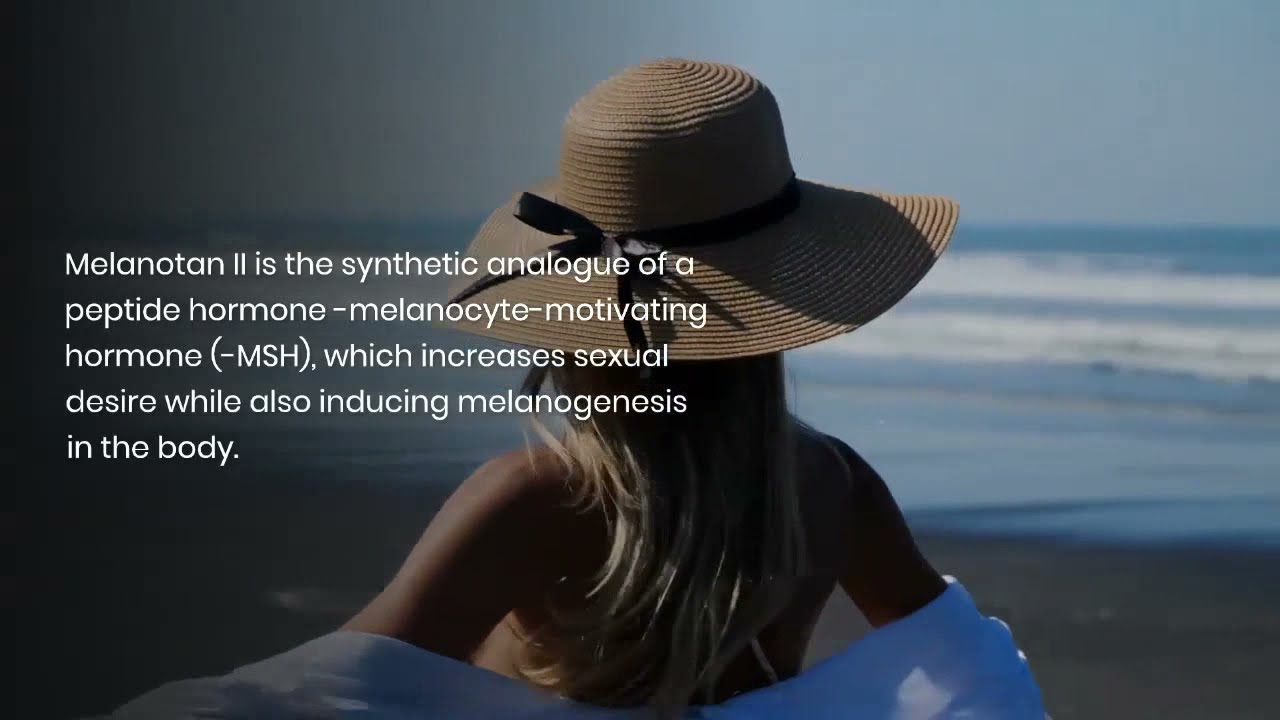
Melanotan is a synthetic analog of a naturally occurring hormone known for stimulating skin pigment production. Developed initially as a photoprotective agent to combat skin cancer, it allows for a tanned appearance without harmful UV exposure. However, Melanotan is not approved for use in many countries due to safety concerns and possible side effects such as nausea, appetite loss, and increased blood pressure. It’s critical to weigh the aesthetic benefits against potential health risks and legal implications before considering use.

Understanding Melanotan II: Myths, Facts, and Safety Concerns

Melanotan II is a synthetic analog of alpha-melanocyte-stimulating hormone (α-MSH), primarily known for its tanning effects. It works by boosting melanin production, providing a sunless tanning option. Beyond aesthetics, it has been linked to increased libido and potential appetite suppression. However, Melanotan II is unregulated in many areas; thus, safety concerns exist. Reported side effects include nausea and blood pressure changes, among others. Caution and medical consultation are advised as its use comes with both potential benefits and risks.

Select Wishlist

    Left Menu Icon
    Your Cart