Unlock Flexibility: The Ultimate Guide to Stretching Your Lats

Stretching the latissimus dorsi, commonly known as the lats, is essential for maintaining upper body flexibility and promoting a balanced posture. The lats are the broad muscles that span the width of the back and play a critical role in movements involving shoulder extension, adduction, and internal rotation. A common and effective stretch to target these muscles is the overhead lat stretch, which involves reaching one arm overhead and slightly bending it toward the opposite side while keeping the torso elongated.
Stretching upper back

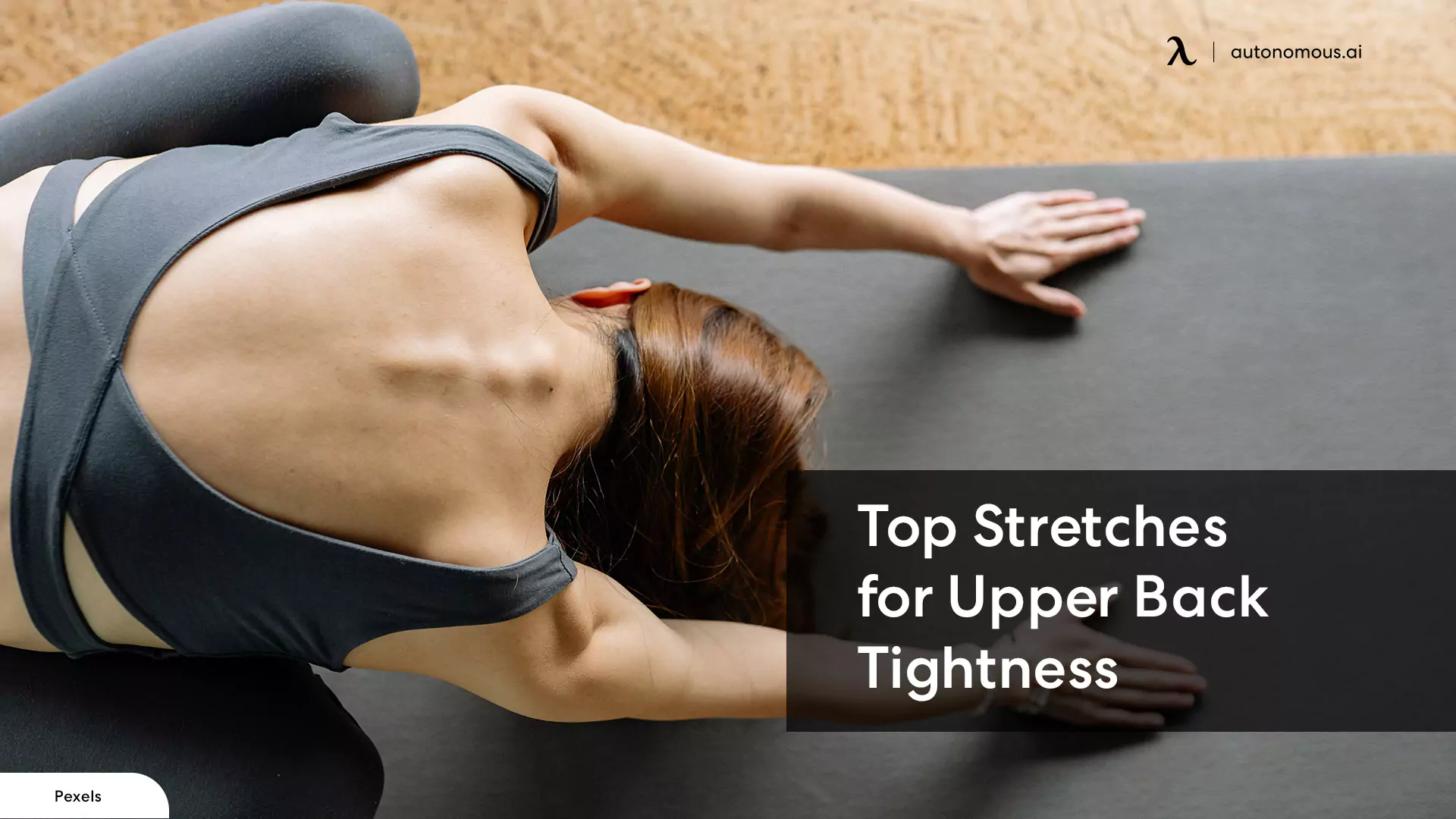
Stretching the upper back is vital for maintaining flexibility, reducing tension, and enhancing spinal health. The upper back includes the thoracic spine, rhomboids, trapezius, and latissimus dorsi, often tight from prolonged sitting and poor posture. Incorporating exercises like cat-cow stretch, thoracic extensions, and seated twists can boost blood flow, release tension, and improve posture. Additionally, stretching benefits mental health by reducing stress and promoting relaxation, fostering a mind-body connection. This practice can lead to better mood and well-being, making it a key part of holistic health.

Stretching quads

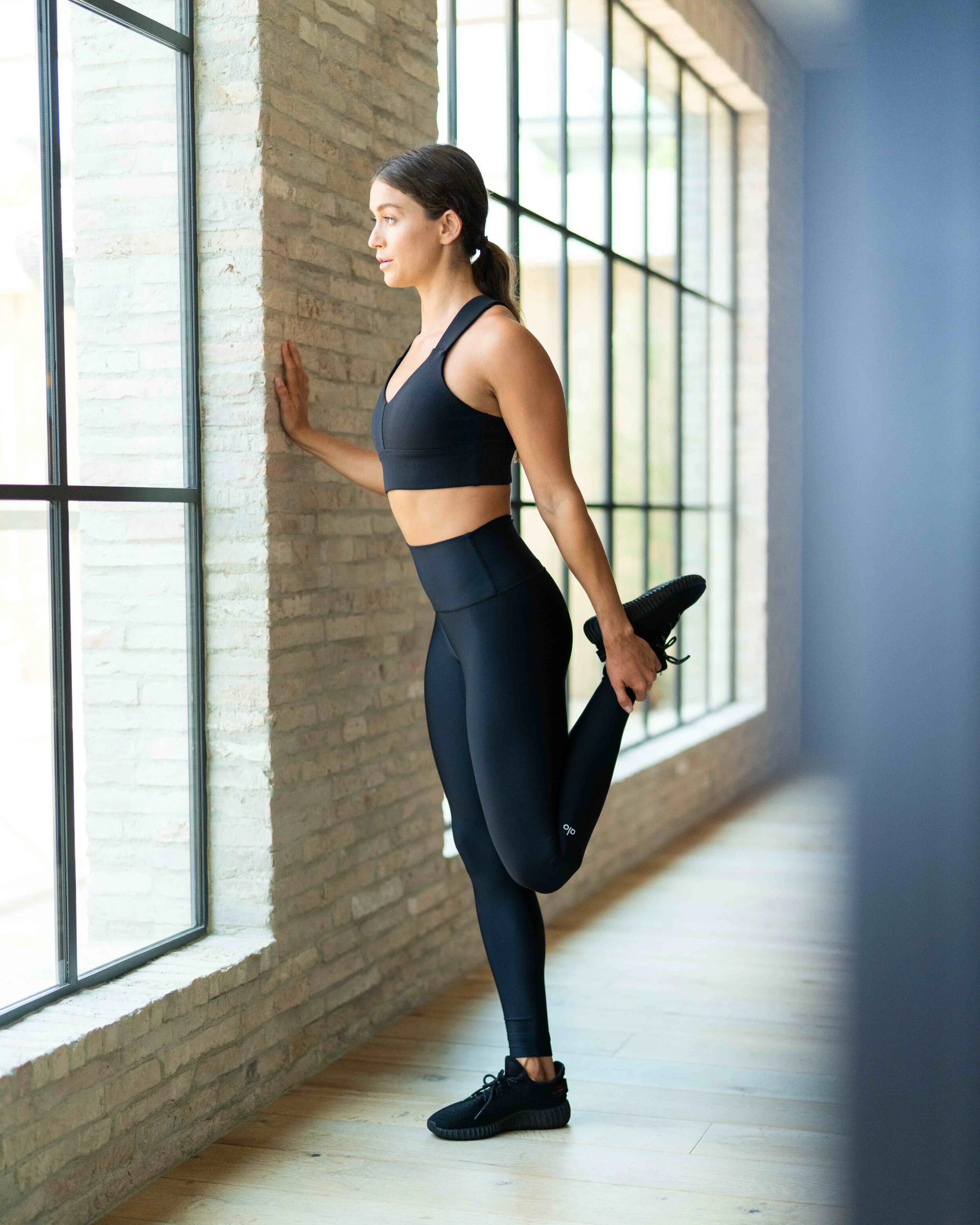
Stretching the quadriceps, commonly known as quads, is vital for lower body flexibility and muscle health. The quads consist of four muscles at the front of the thigh and are key in knee and hip movements. Regular stretching enhances athletic performance, prevents injuries, and reduces tension from prolonged sitting or physical activity. Exercises like standing or lying quad stretches help elongate muscles, improve blood flow, and minimize strain risks. Consistent stretching boosts muscle elasticity and posture by balancing tension between quads and hamstrings. Integrating into daily routines can relieve chronic conditions and support active lifestyles.

Select Wishlist

    Left Menu Icon
    Your Cart