
The Greater Than or Equal To Symbol: A Mathematical Essential
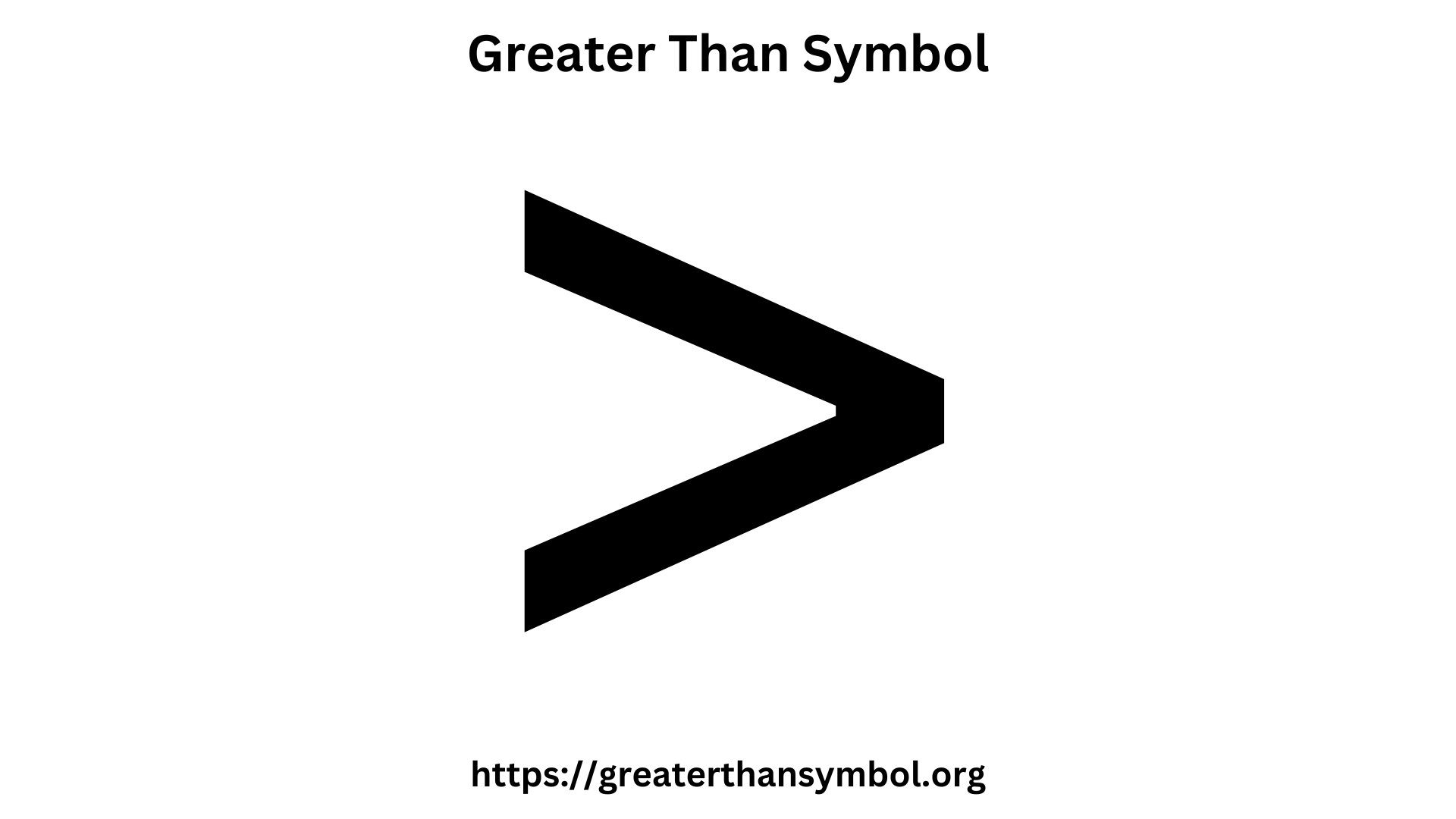
In mathematics, the “greater than or equal to” symbol (≥) is used to express that one quantity is either greater than or exactly equal to another. Its origins trace back to the 17th century with mathematicians like Thomas Harriot. This symbol is vital for algebraic inequalities and equations, widely used in fields like data science and economics to represent constraints and relationships within quantitative analyses. For example, “x ≥ 5” denotes x can be any number equal to or greater than 5, making it essential for expressing a range of possible values.