
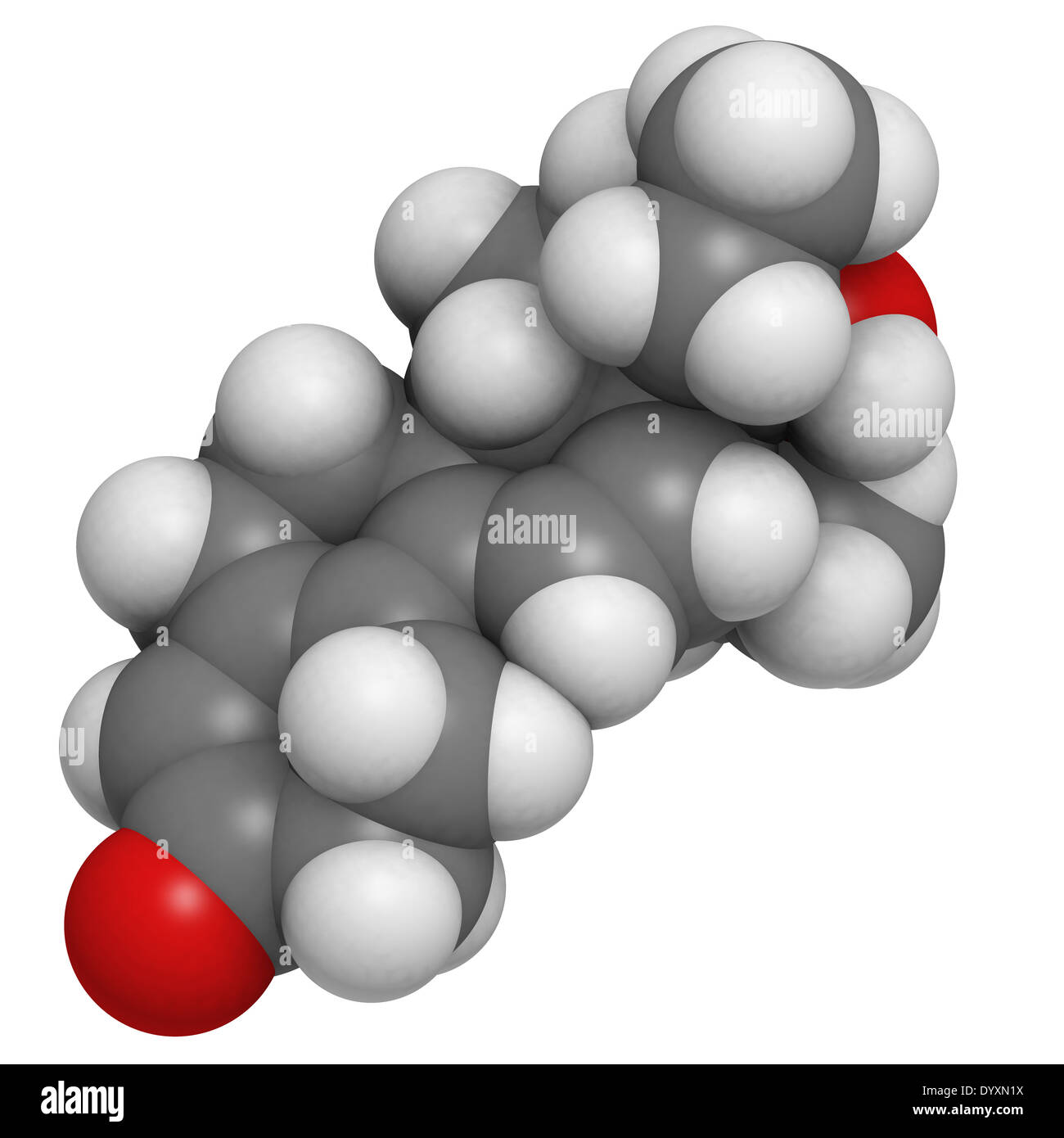
Tetrahydrogestrinone: The Drug that Changed the Doping Game

Tetrahydrogestrinone (THG) is a potent anabolic steroid that gained infamy in performance-enhancing drug scandals. Originating in the 1990s, it was engineered to be undetectable in standard drug tests, giving athletes an illegal advantage. Its discovery, especially through the BALCO scandal, marked a pivotal moment in anti-doping efforts in sports, highlighting the need for improved detection methods and sparking debates on ethics and fairness in competition. THG’s role in reshaping drug testing protocols underscores the ever-present challenges in ensuring clean and transparent athletic performances.
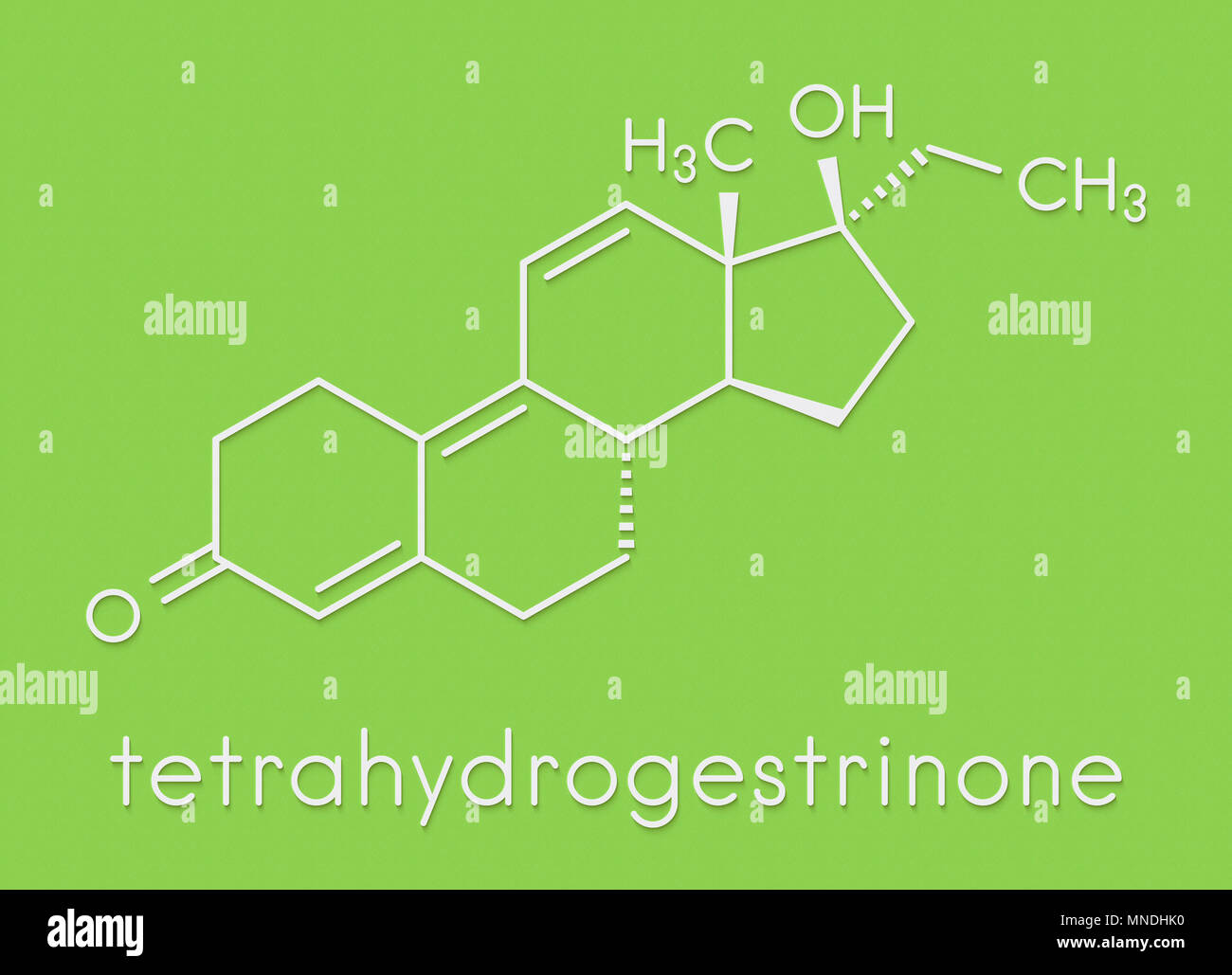
THG Norbolethone and Tetrahydrogestrinone (T-HG)

THG, or Tetrahydrogestrinone, is a synthetic anabolic steroid that became infamous in the 2000s primarily for evading doping tests. Developed to enhance athletic performance, it quickly became a contentious subject due to its potent effects and associated health risks. The drug’s undetectability highlighted the ongoing struggle between sports authorities and those seeking a competitive edge. Despite its performance benefits, THG poses risks like hormonal imbalances, liver damage, and cardiovascular issues, leading to its ban and sparking ethical debates over fair competition in sports.

Select Wishlist

Cart Menu Button Image1Left Menu Icon
Your Cart