Thymosin Beta 4: Wound Healing and Tissue Repair

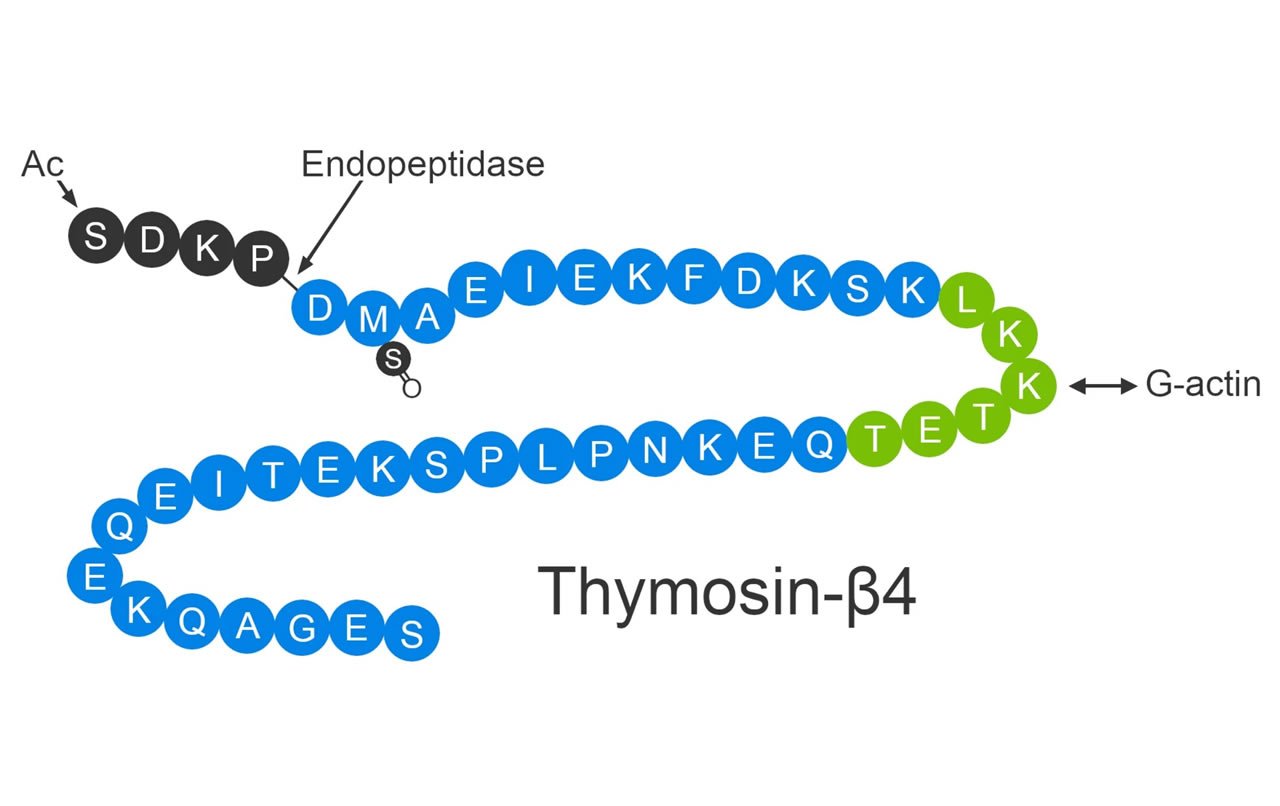
Thymosin Beta 4, a naturally occurring peptide, plays a vital role in cellular repair and regeneration across human and animal tissues. Composed of 43 amino acids, it regulates actin polymerization, essential for cell movement and structure. Known for accelerating wound healing and its anti-inflammatory effects, it holds therapeutic potential in cardiology, neurology, and ophthalmology by mobilizing progenitor cells and aiding tissue repair. As researchers explore its wide-ranging biological activities, its application in regenerative medicine continues to expand, targeting heart and corneal injuries among other conditions.

A Deep Dive into TB-500: Usage, Effects, and Legal Considerations

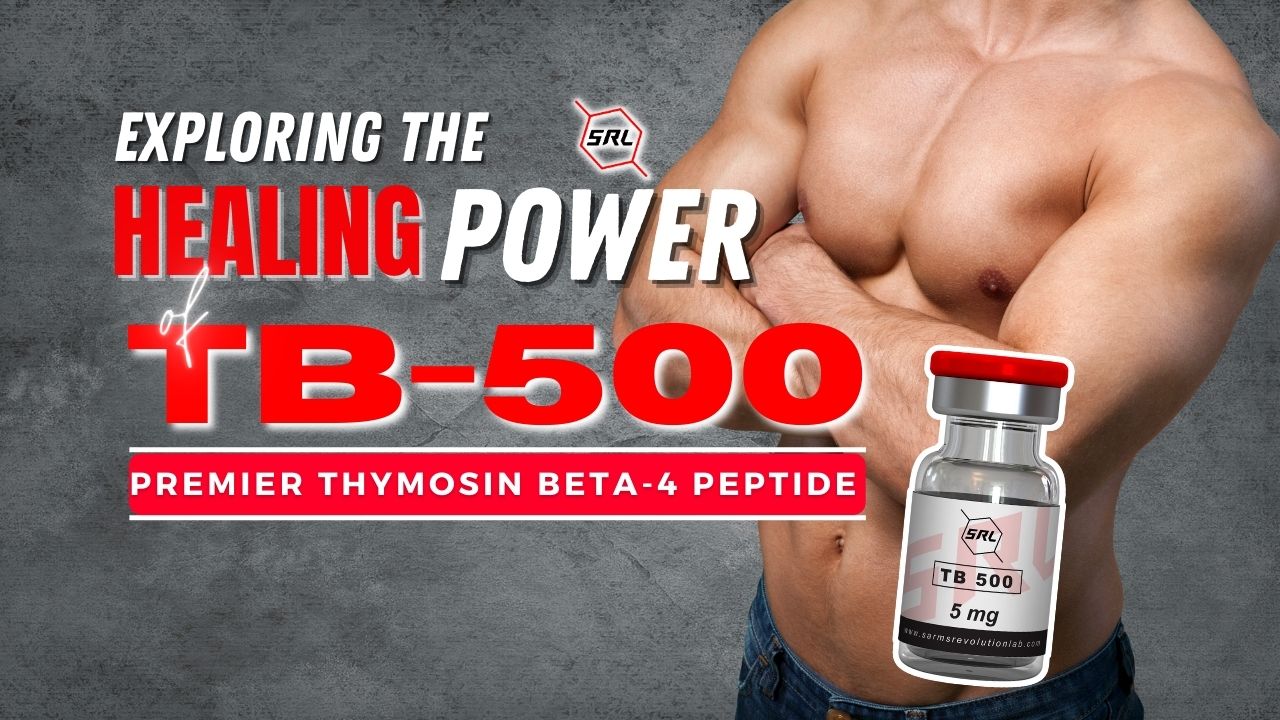
TB-500, a synthetic version of Thymosin Beta-4, has garnered attention for its regenerative properties, particularly in skincare, health, and bodybuilding. Originally developed for equine health, it boosts cell-building proteins like actin, enhancing tissue repair. Widely used to improve skin texture, reduce aging signs, and accelerate injury recovery, TB-500 operates by promoting cell migration and reducing inflammation for faster healing. While promising, potential users should consult healthcare providers due to ongoing research and regulatory considerations.

TB-500 in Veterinary Medicine: Advances in Animal Healing

TB-500, known scientifically as Thymosin Beta-4, is a synthetic peptide with promising regenerative and healing properties. Its ability to promote cell growth and muscle repair makes it popular among athletes and bodybuilders. Beyond sports therapy, it’s noted for enhancing angiogenesis, aiding in wound healing, and potentially benefiting skincare. Despite its potential, caution is advised as most benefits are based on animal studies and anecdotal evidence, with insufficient research on long-term human effects. Professional consultation is recommended before use.

Potential Risks and Benefits of TB-500: What You Need to Know

TB-500, a synthetic version of thymosin beta-4, is notable for its therapeutic potential in healing and tissue repair. Primarily used in veterinary medicine, it aids equine athletes by enhancing injury recovery through promoting cell migration and blood vessel formation. It binds to actin, aiding cellular growth. However, its human use remains largely unregulated and requires caution due to limited clinical validation.

Select Wishlist

    Left Menu Icon
    Your Cart