Thymosin Beta 4: Wound Healing and Tissue Repair
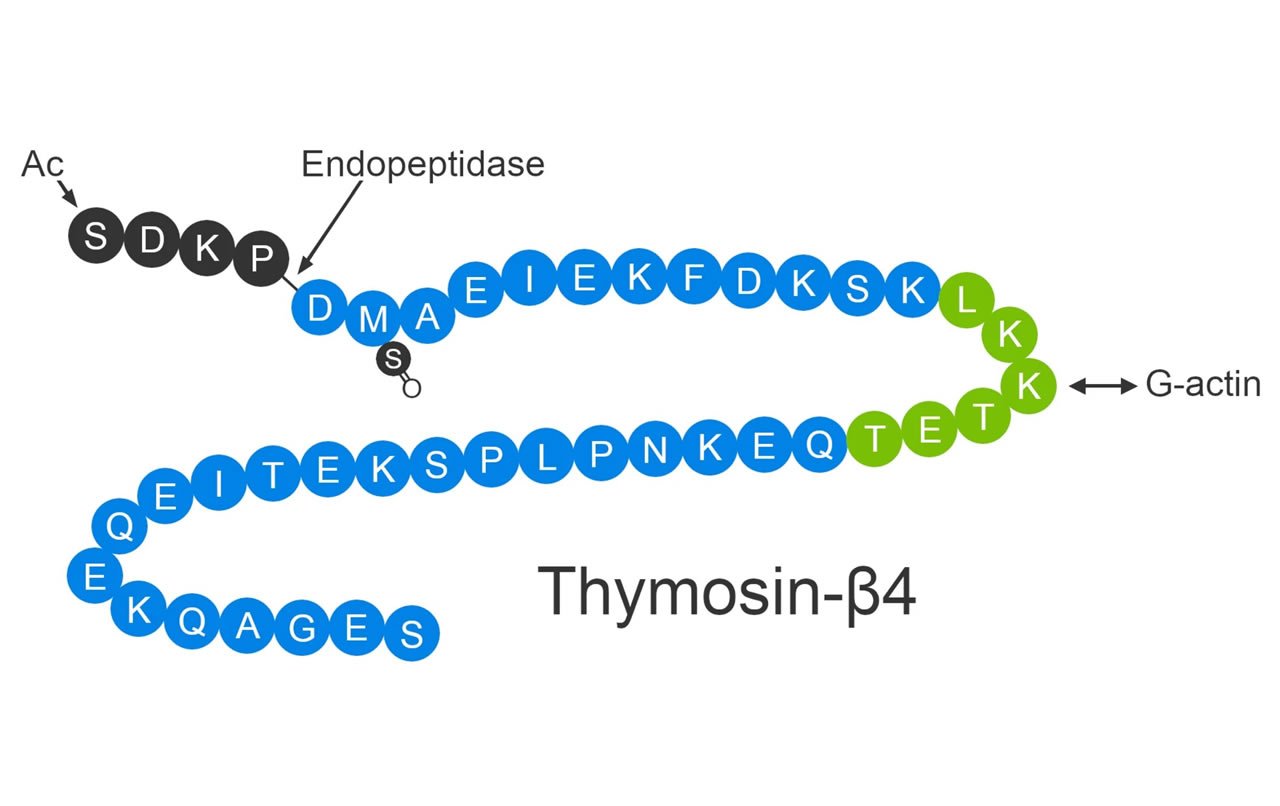
Thymosin Beta 4, a naturally occurring peptide, plays a vital role in cellular repair and regeneration across human and animal tissues. Composed of 43 amino acids, it regulates actin polymerization, essential for cell movement and structure. Known for accelerating wound healing and its anti-inflammatory effects, it holds therapeutic potential in cardiology, neurology, and ophthalmology by mobilizing progenitor cells and aiding tissue repair. As researchers explore its wide-ranging biological activities, its application in regenerative medicine continues to expand, targeting heart and corneal injuries among other conditions.