Body Strength: The Ultimate clue to Mastering Dip Exercises

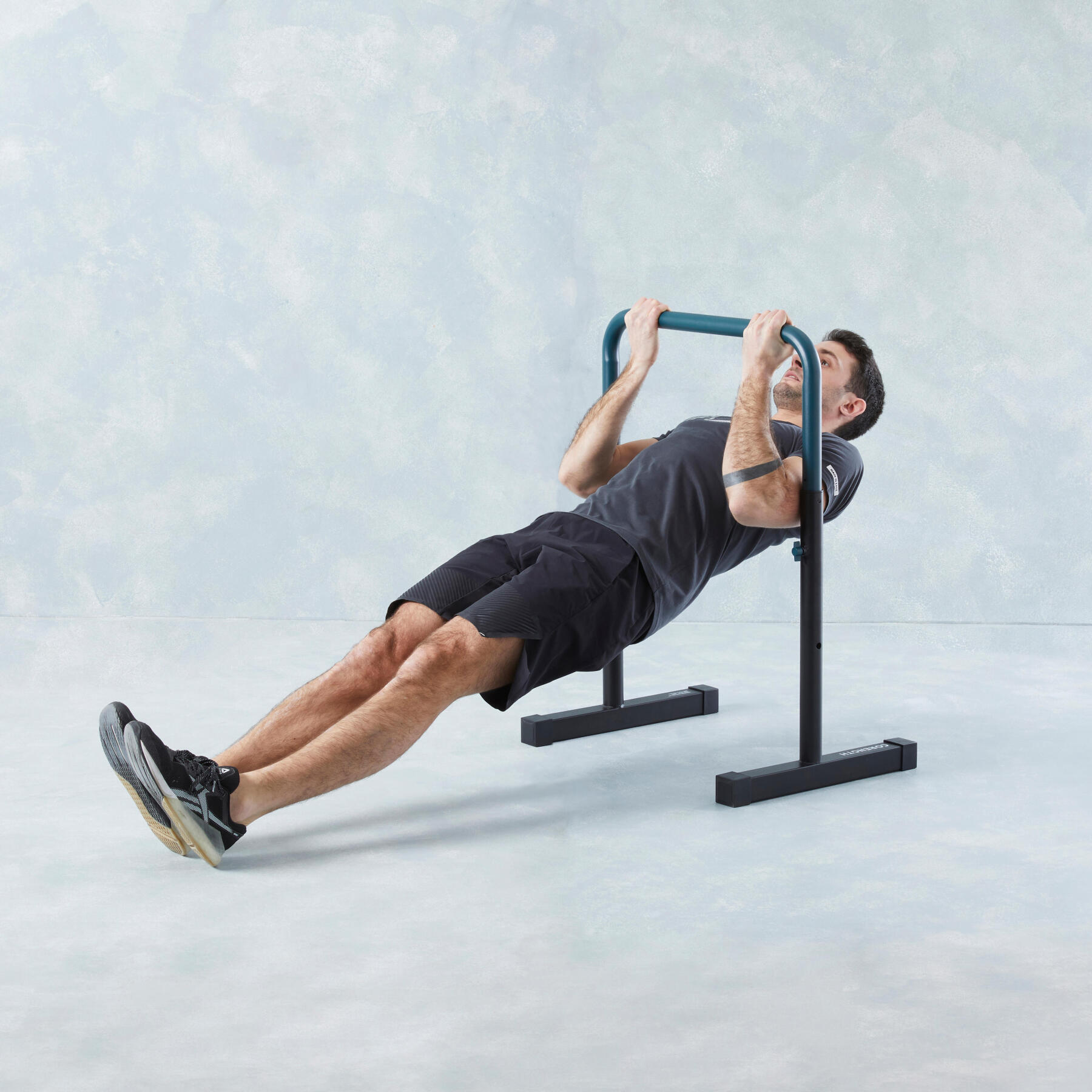
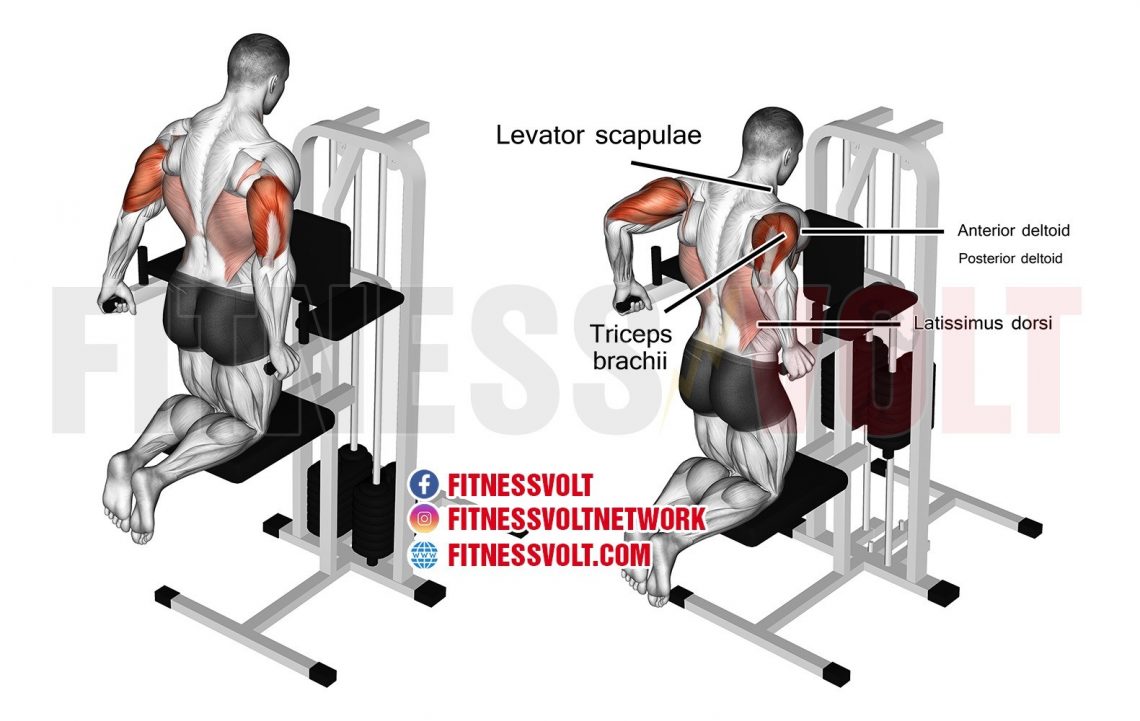
Dip exercises focus on upper body strength, notably enhancing muscle mass in the chest, shoulders, and triceps. Utilizing parallel bars or a dip station, they employ body weight resistance. Performing a dip necessitates bending at the elbows, descending until they reach a roughly 90-degree angle, and then pushing back to the starting stance. Adjustments like forward leaning target the chest more, while an upright posture emphasizes the triceps. Incorporating added weight or resistance bands can boost the workout’s intensity and effectiveness, contributing to joint health and increased shoulder flexility.

The Ultimate clue to Effective Traps Workouts

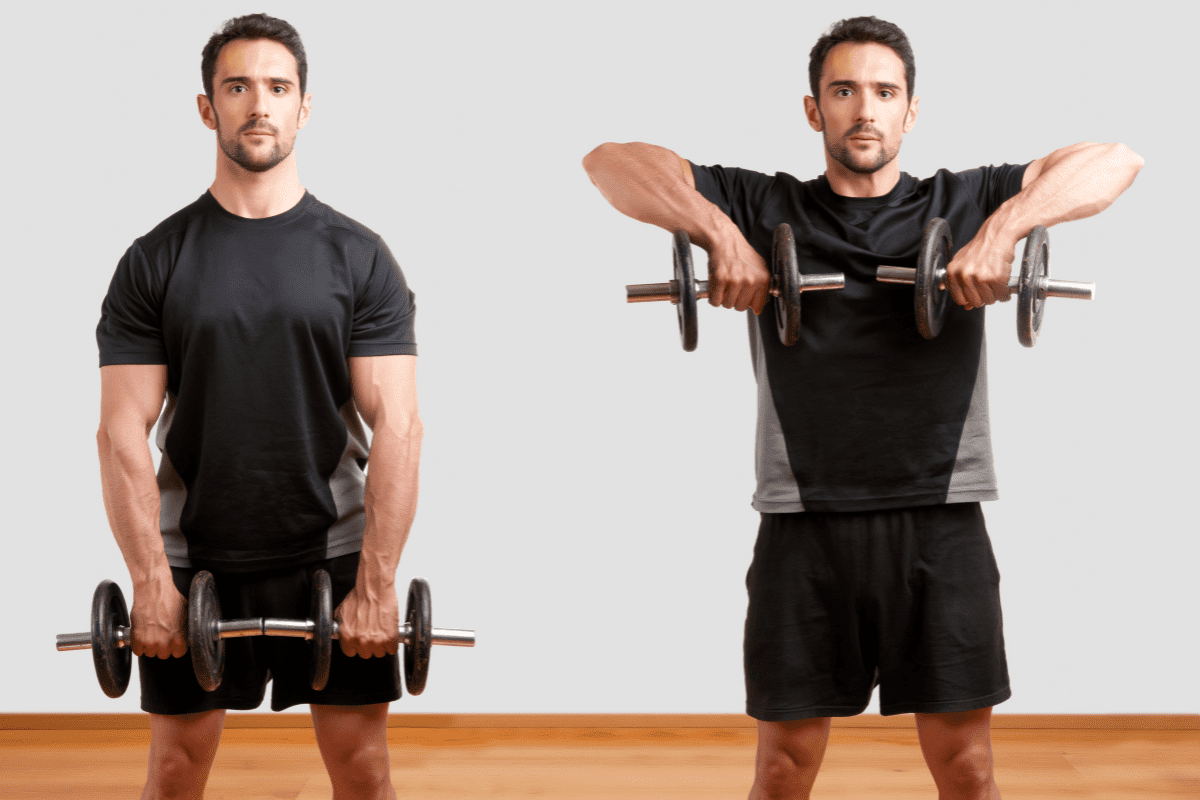
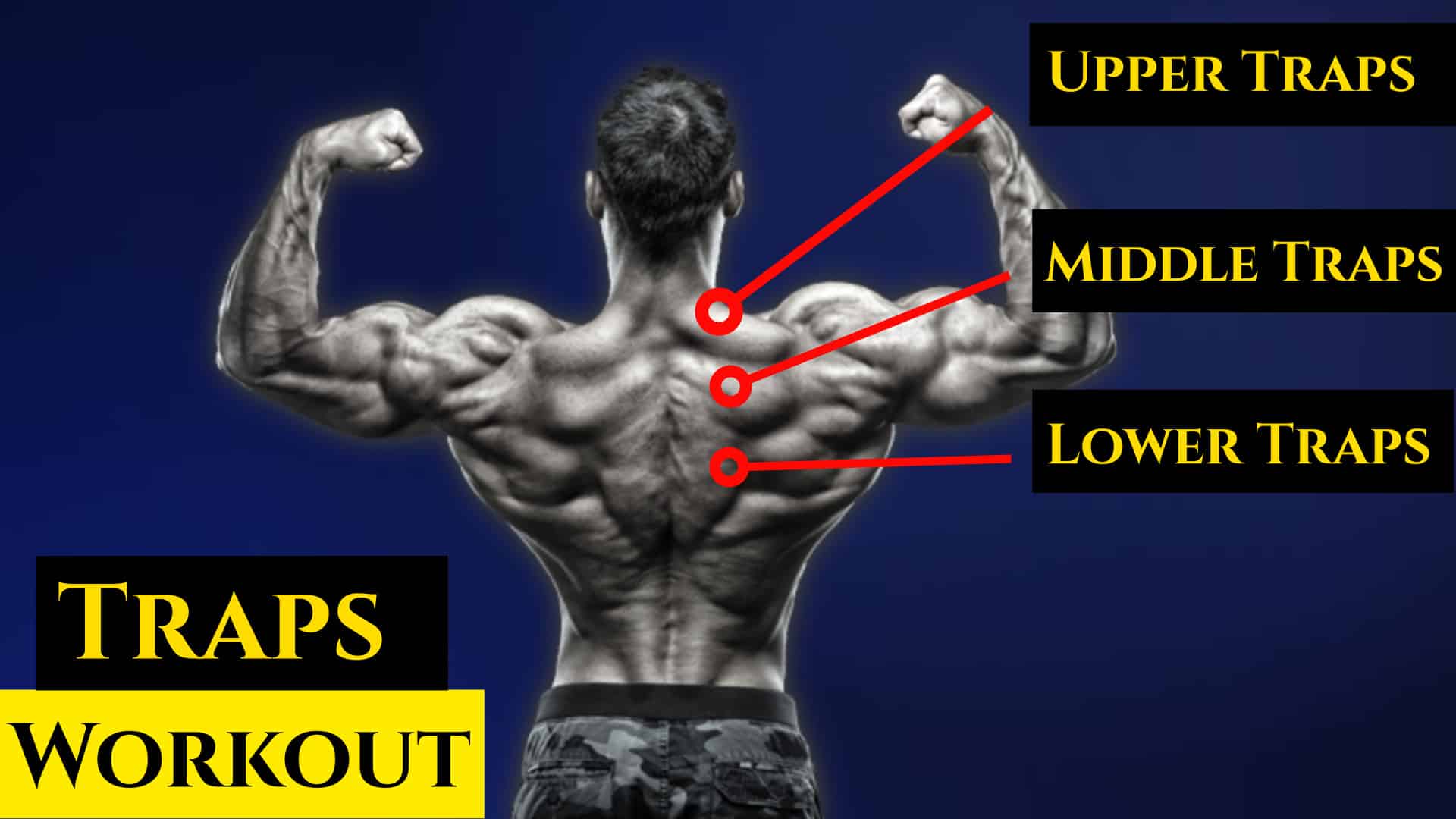
Trap exercises primarily focus on strengthening and developing the trapezius muscles, which span the back of the neck, across the shoulders, and down to the mid-back. A well-developed trapezius improves the aesthetic of the upper body by providing greater shoulder width and posture. Common exercises targeting these muscles include shrugs, upright rows, and face pulls. Incorporating trap exercises into a regular workout regimen can lead to improved athletic performance, as stronger traps contribute to better posture, balance, and strength in various compound movements.

Navigating the Deficit Surge: Strategies for Economic Resilience

A deficit push-up is an advanced variation of the traditional push-up that enhances strength and flexibility by increasing the range of motion. This exercise is performed by placing the hands on elevated surfaces, such as weight plates or push-up handles, which creates a deficit below the standard hand positioning level. By doing so, the body descends lower than it would in a regular push-up, engaging the chest, shoulders, and triceps more intensely. Deficit push-ups not only build greater upper body strength but also improve stability and core engagement due to the deeper motion required.

Master the Dip: Unlocking Upper Body Strength

Dips are a classic bodyweight exercise that enhance upper body strength by targeting the chest, triceps, shoulders, and core. This versatile exercise can be done using parallel bars or a sturdy bench, making it suitable for both gym and home workouts. Maintaining good form is crucial; keep the torso upright and elbows close to minimize shoulder strain. By adjusting bar width or foot placement, dips can be tailored for various fitness levels, promoting muscle endurance and a balanced upper body physique. Regular inclusion in workouts ensures comprehensive muscle engagement and growth.

Master the Dumbbell Triceps Kickback: Tips for Sculpted Arms

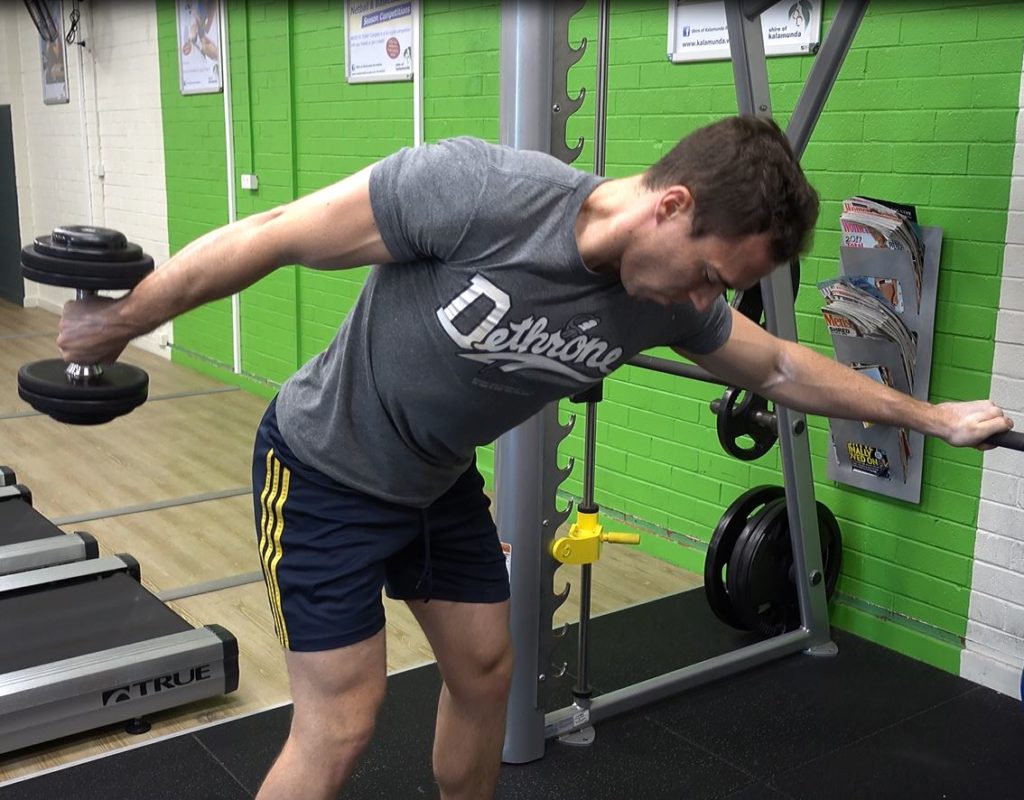
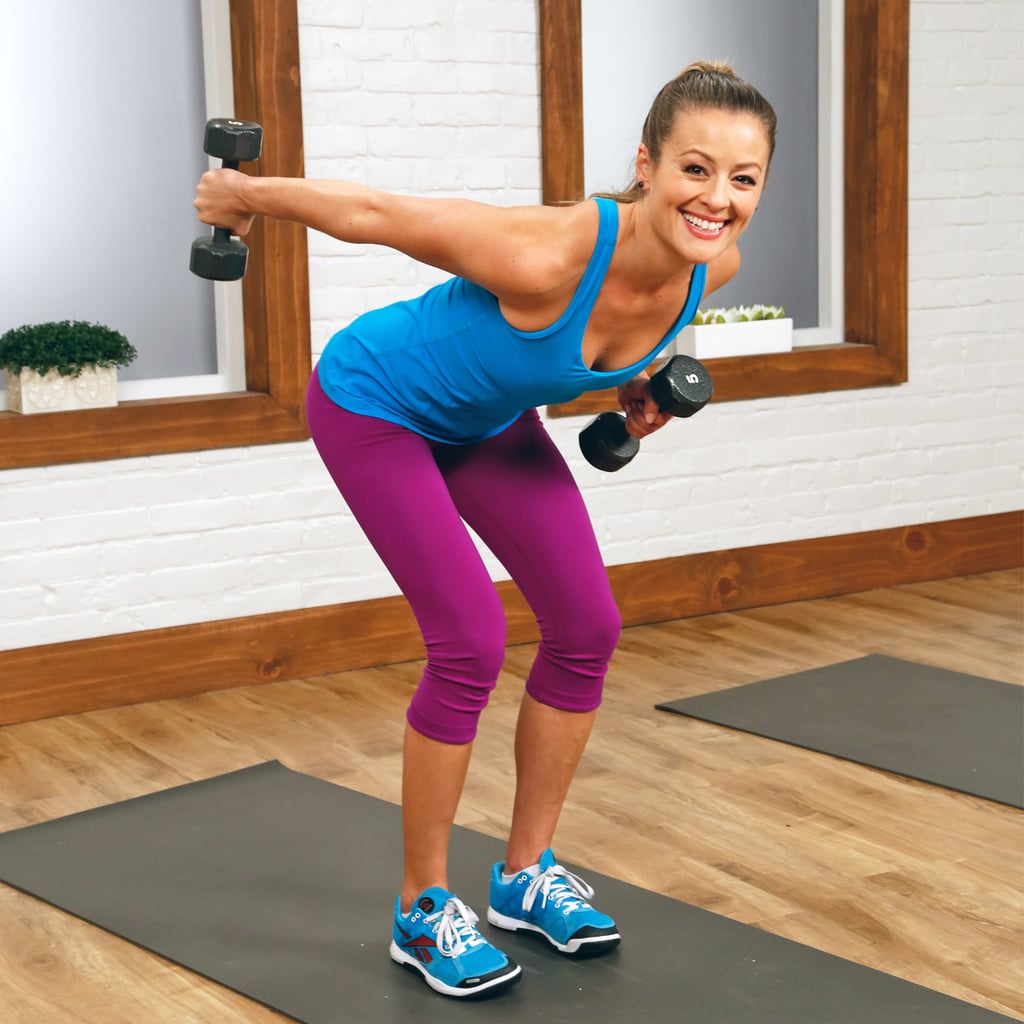
The dumbbell triceps kickback is a strength training exercise that focuses on the triceps brachii situated at the back of the upper arm. This exercise is highly valued for its ability to isolate the triceps, making it a common choice in upper-body workouts. Performing it involves bending at the hips while keeping the back flat, holding a dumbbell, and extending the arm for a full contraction. Proper form enhances muscle tone, strength, endurance, and joint stability.

Sculpt Your Dream Arms: Top 10 Workouts Every Man Should Try

Varied arm workouts are crucial for preventing plateaus and promoting muscle growth by engaging different muscle fibers. Classic exercises like bicep curls and tricep dips are effective, but should be mixed with compound movements and resistance tools for comprehensive training. Proper form and recovery are essential for avoiding injuries and ensuring continuous progress.

Sculpt Your Physique: Shoulders, Chest, Triceps Workouts

Achieving a well-rounded physique requires strategic training. A shoulders, chest, and triceps workout effectively targets upper body muscle groups, promoting balanced strength. Varying routines prevents plateaus due to muscle adaptation, ensuring continuous growth. Include compound exercises like bench press and isolation moves such as lateral raises.

Unlock Flexibility: Top Upper Body Stretches for Enhanced Mobility

Maintaining a flexible upper body is crucial for well-being. Regular stretching not only improves flexibility but also increases blood flow, alleviates tension, and enhances posture. Upper body stretches target muscles across your shoulders, neck, chest, and upper back, relieving tension and reducing stiffness. Incorporating stretches into your routine can improve daily functionality and posture.

Strengthen Your Stance: Top Exercises for a Powerful Upper Back

Incorporating a variety of exercises into your workout routine is crucial for building and strengthening your upper back. A robust upper back not only improves posture but also enhances athletic performance and prevents injuries. Effective exercises include Pendlay rows, face pulls, and scapular pull-ups, each targeting specific muscles like the trapezius and rhomboids. Integrating these exercises ensures a comprehensive workout, improving posture and reducing injury risk.

The Ultimate Guide to Upper Body Exercises

Exercising the upper body is essential for strength and fitness. A comprehensive workout includes exercises for the chest, back, shoulders, and arms, like push-ups and pull-ups. Incorporating compound movements and isolation exercises achieves balanced muscle development, enhances core stability, and reduces injury risk. Consistent training and progressive resistance maximize gains.

Sculpt and Strengthen: The Ultimate Arm Workout Guide

Building strong and toned arms is a goal for many fitness enthusiasts. To prevent plateaus and ensure progress, incorporate variety into your workouts by targeting arm muscles from multiple angles. This prevents muscle adaptation, which can reduce effectiveness over time. Changing exercises stimulates different muscle fibers, enhances growth, and keeps workouts interesting. Effective arm exercises include bicep curls, tricep dips, push-ups, and resistance band arm curls. Implementing these can help overcome fitness plateaus and maintain motivation, leading to well-defined and strong arms.

Lat pulldown alternative

When seeking a lat pulldown alternative, exercises can efficiently target the latissimus dorsi and other muscles, adapting to equipment and environments. Pull-ups are a key alternative engaging the same muscles with a bar, involving biceps, forearms, and core for upper body strength. Assisted pull-ups can aid form. The bent-over row, using dumbbells or a barbell, targets lats, rhomboids, and trapezius, offering a compound movement for back strength. Proper posture is vital to maximize benefits and prevent lower back strain. Both provide adaptable alternatives to the lat pulldown.

Lat pulldown muscles worked

The lat pulldown is an effective strength training exercise targeting the upper body, focusing on the latissimus dorsi muscles. These muscles are responsible for shoulder adduction, extension, and internal rotation. During a lat pulldown, the lats contract to pull the bar toward the chest, similar to a pull-up motion, enhancing lat size and strength, and contributing to a broader back appearance. Secondary muscles, including biceps brachii, rhomboids, trapezius, posterior deltoids, and teres major, assist in elbow flexion and shoulder blade stabilization, promoting strength and joint stability.

Single arm row

The single-arm row is an effective strength-training exercise targeting the upper and mid-back muscles, including the lats, rhomboids, traps, rear deltoids, and biceps. It’s ideal for improving back strength and upper body balance. By isolating one side, it aids in correcting muscle imbalances and boosting core stability. To perform it, use a dumbbell and a bench for support, ensuring proper technique. Including this exercise in your routine enhances posture, endurance, and pulling strength, with variations like kettlebells or bands offering added challenges.

Lat pulldown straight arm

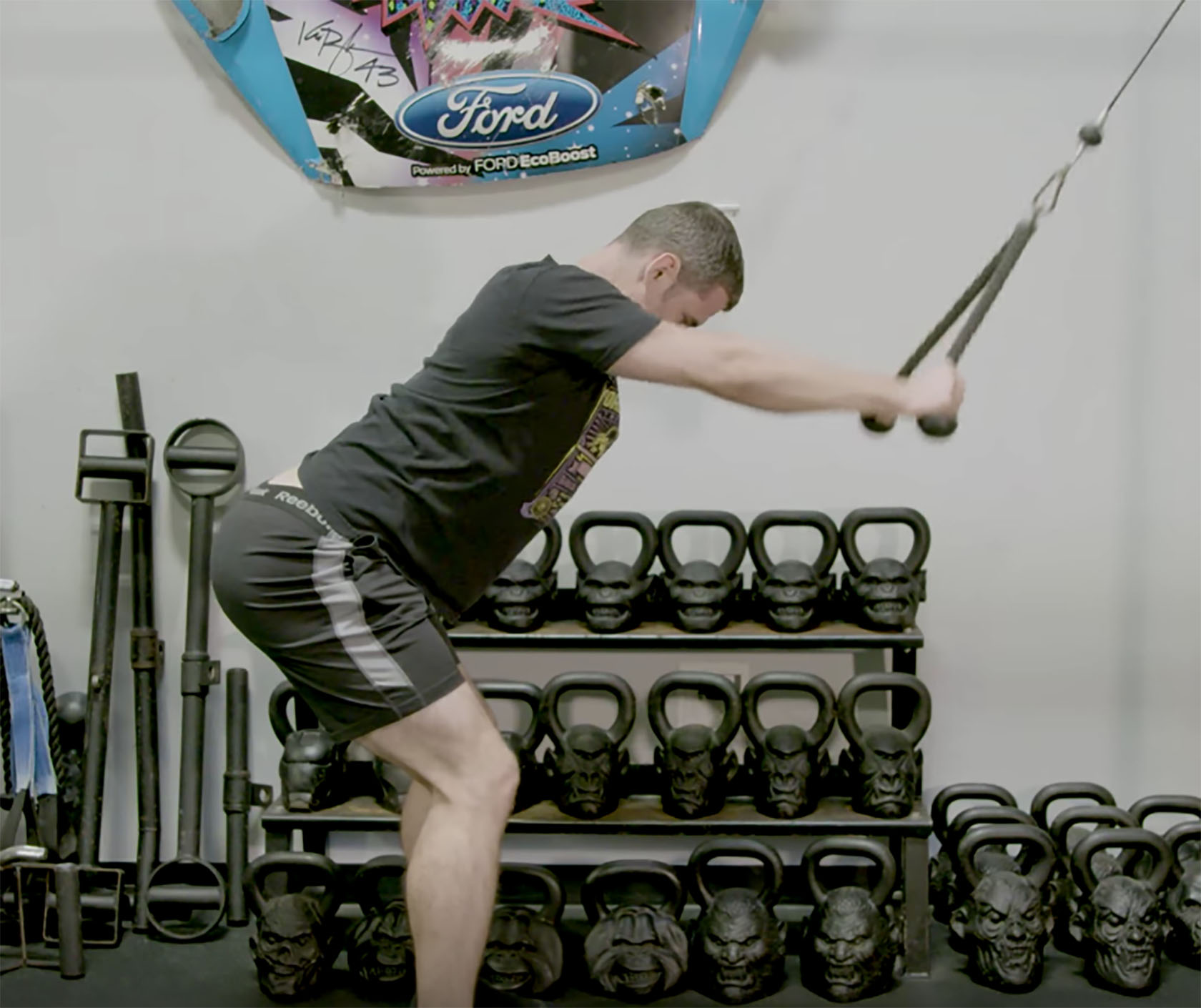
The Lat pulldown straight arm is an effective exercise that focuses on the latissimus dorsi muscles in the upper back. It is a variation that keeps the arms straight, enhancing back width and upper body strength by isolating the lats, minimizing bicep involvement. This exercise improves posture by promoting scapular stability. To perform it, stand or sit with a slight knee bend, grip a bar attached to a high pulley at shoulder-width, engage your core, and pull the bar down towards your thighs with your arms straight but not locked. Adjust the weight for different fitness levels.

Stretching upper body

Stretching the upper body is crucial yet often overlooked in fitness routines. It targets the neck, shoulders, chest, arms, and upper back, enhancing flexibility and circulation while reducing muscle tension from daily activities. Regular upper body stretching alleviates the risk of muscle strains and stress-related aches, promoting better posture and muscle health. Incorporating stretches like arm across the chest and neck tilts can improve movement efficiency and athletic performance, acting as both warm-up and recovery techniques. Additionally, mindful stretching fosters relaxation and stress relief, enhancing mental well-being and overall energy levels.

Stretching lats

Stretching the latissimus dorsi, or lats, is crucial for upper body flexibility and preventing stiffness. These muscles aid in movements like pulling and lifting. Tight lats can limit motion, worsen posture, and elevate injury risks. Incorporating exercises like overhead lat stretches or the child’s pose can improve flexibility and promote spinal alignment. For athletes, flexible lats enhance performance, while day-to-day tasks become more efficient and less fatiguing, underscoring the value of including lat stretches in fitness routines.

Exercises upper body

Exercising the upper body is essential for building strength, improving posture, and enhancing overall functionality in daily activities. Key muscle groups like the chest, back, shoulders, and arms are targeted through exercises such as push-ups, pull-ups, bench presses, and shoulder presses. These workouts not only increase muscle mass but also contribute to better joint stability and injury prevention. Consistency in upper body routines is vital for achieving a balanced fitness regimen and promoting overall health.

Beyond the Bicep: Comprehensive Arm Training for Balanced Strength

Arm training is a crucial component of any fitness regimen, serving both aesthetic and functional purposes. Whether your goal is to enhance muscle definition, increase strength, or improve overall physical function, an effective arm training program can help you achieve those objectives. This article will explore various aspects of arm training, including the anatomy ofRead More

Arm Training Myths Debunked: What Really Works for Building Muscle

Arm training is a vital component of any fitness regimen, whether you’re a bodybuilder, an athlete, or simply someone looking to improve overall strength and aesthetics. Well-developed arms not only enhance physical appearance but also play a crucial role in daily functional movements. In this article, we will explore the anatomy of the arms, theRead More

Unlock the Secrets to Bicep Gains: Essential Exercises for Arm Dominance

Arm training is a fundamental part of fitness routines for anyone aiming to improve overall strength, aesthetics, or performance in various sports. Whether you’re a competitive athlete, a casual gym-goer, or just starting on your fitness journey, understanding the essentials of arm training is paramount for achieving your goals. This article delves into effective armRead More

From Toned to Triumphant: Arm Workouts for Every Fitness Level

Arm training is a crucial part of physical fitness, whether you’re an athlete, a bodybuilder, or someone looking to improve your overall strength and appearance. Arms are one of the most visually striking muscles, and developed arms can enhance your physique, improve your performance in sports, and boost your confidence. This article covers various aspectsRead More

Select Wishlist

    Left Menu Icon
    Your Cart