Train Like a Pro: Agility Techniques Used by Elite Athletes
TABLE OF CONTENTS

In the world of fitness, agility training stands out as a dynamic way to boost performance and health. Agility is the ability to move swiftly and change direction effectively, which is crucial not only for athletes but also for anyone looking to maintain an active lifestyle. This training incorporates exercises that challenge your balance, coordination, and speed, creating a well-rounded workout regime that supports overall fitness goals.
What Is Agility Training?
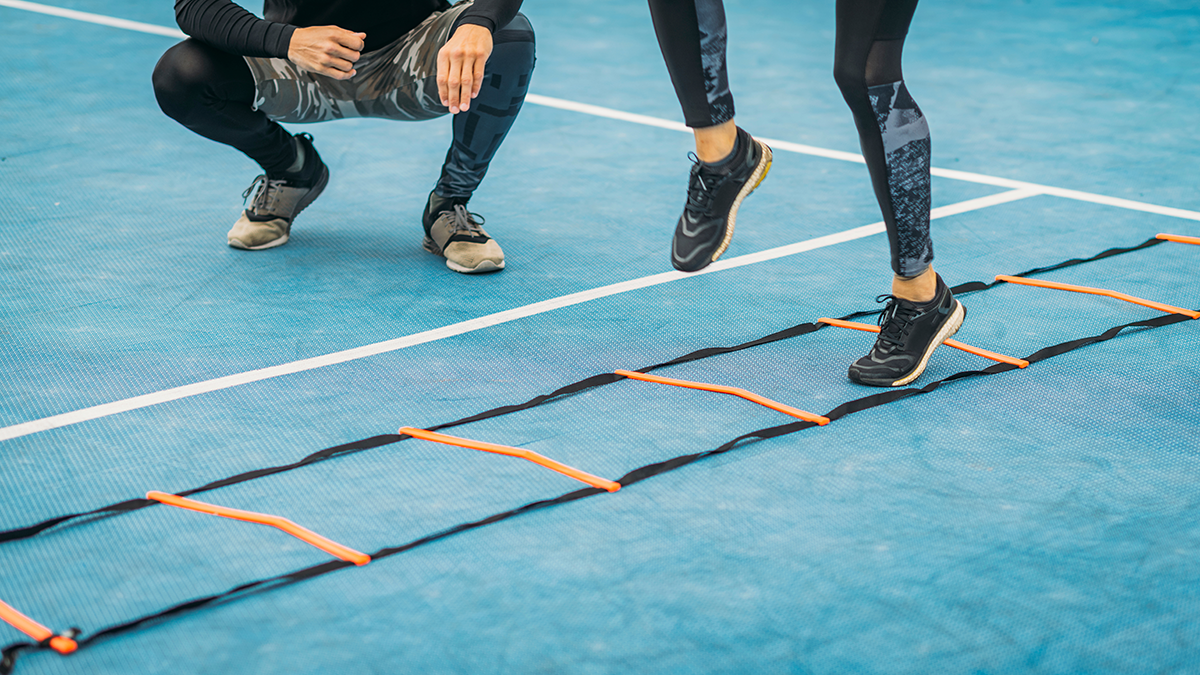
Agility training involves exercises designed to improve one’s ability to move quickly and efficiently. The focus is on enhancing reaction time, balance, and coordination. Incorporating exercises such as ladder drills, cone drills, and plyometric movements, agility training helps in developing muscle strength and cardiovascular fitness. 🏃♂️
Benefits of Agility Training
Agility training offers numerous benefits. Firstly, it enhances reaction time, which is vital for sports and daily activities. Secondly, it improves balance, preventing injuries and falls. Thirdly, agility exercises also promote cardiovascular health due to their high-intensity nature. Additionally, consistent engagement with these exercises boosts mental sharpness as your brain works to perfect timing and coordination.
At the Gym or Home?
Agility training can be performed both at home and at the gym. Many exercises require minimal equipment, making them accessible for anyone. Simple tools like agility ladders or cones can be used in small spaces. For those who prefer the gym, access to more varied equipment can enhance the workout experience. 🏋️♂️
Doing It Right
When starting with agility training, it is important to focus on technique rather than speed to prevent injuries. Begin with simple drills and gradually increase intensity as your agility improves. Keep sessions varied to challenge different muscle groups, ensuring a comprehensive workout regime. Engaging with a personal trainer or taking agility classes can further refine technique and provide motivation.
Remember, consistency is key. Regular practice not only improves physical capability but also boosts self-confidence and motivation.#workout #fitness #gym #motivation #fitnessmotivation #fit #training #bodybuilding #gymlife #health #fitfam #exercise #gymmotivation #lifestyle #muscle #healthylifestyle #personaltrainer #sport #workoutmotivation #healthy #crossfit #love #instagood #weightloss #fitnessmodel #cardio #strong #fitnessjourney #instafit #stayfit #bodybuilding #strength 🏆
Conclusion
Agility training is a versatile and valuable addition to any fitness regime. Whether you are an athlete or a fitness enthusiast, agility exercises offer a myriad of benefits tailored to enhance performance, balance, and overall health. Incorporate these exercises regularly to achieve a more agile, stronger, and healthier you.
FAQs
-
- What equipment is needed for agility training?
Most agility exercises require minimal equipment. Common items include agility ladders, cones, and resistance bands.
- What equipment is needed for agility training?
-
- How often should I do agility training?
Aim to incorporate agility training into your routine 2-3 times a week, allowing for rest and recovery between sessions.
- How often should I do agility training?
-
- Can beginners do agility training?
Yes! Beginners can start with basic drills and progress to more complex exercises as their skills improve.
- Can beginners do agility training?
FREE SHIPPING
HOT PROMOTIONS!
BIG SALE | FAST SHIPPING
TADALAFIL 20MG AXIOM ♂ CIALIS 50 TABLETS

Original price was: $ 219.00.$ 129.00Current price is: $ 129.00.





TAMOXIFEN 20MG 50 CAPS FIERCE

Original price was: $ 120.00.$ 99.00Current price is: $ 99.00.

CROWX 👑 SUSTAROW 300 MG/ 10 ML Vial SUSTANON

Original price was: $ 109.00.$ 99.00Current price is: $ 99.00.

STADA HGH SOMATROPIN 100IU (10 vials)
Original price was: $ 299.00.$ 229.00Current price is: $ 229.00.
NOLVADEX 20MG 50 TABLETS FIERCE

Original price was: $ 86.00.$ 79.00Current price is: $ 79.00.
Agility training is a dynamic and multifaceted approach aimed at enhancing an individual’s or animal’s ability to move quickly and easily, adapt to changing conditions, and improve coordination, balance, and flexibility. This type of training is crucial for athletes, particularly those involved in sports that require quick directional changes such as soccer, basketball, or rugby. It encompasses a series of exercises designed to increase overall speed, explosive strength, and reflexes through drills that often involve hurdles, cones, and agility ladders. In addition to improving physical capabilities, agility training also sharpens mental acuity, as it requires quick decision-making and adaptive movements. For dogs, agility training enhances not only physical fitness but also strengthens the bond between the pet and the handler, as it involves a high level of communication and trust. Overall, agility training benefits individuals and animals by boosting performance, preventing injuries, and enhancing overall well-being.