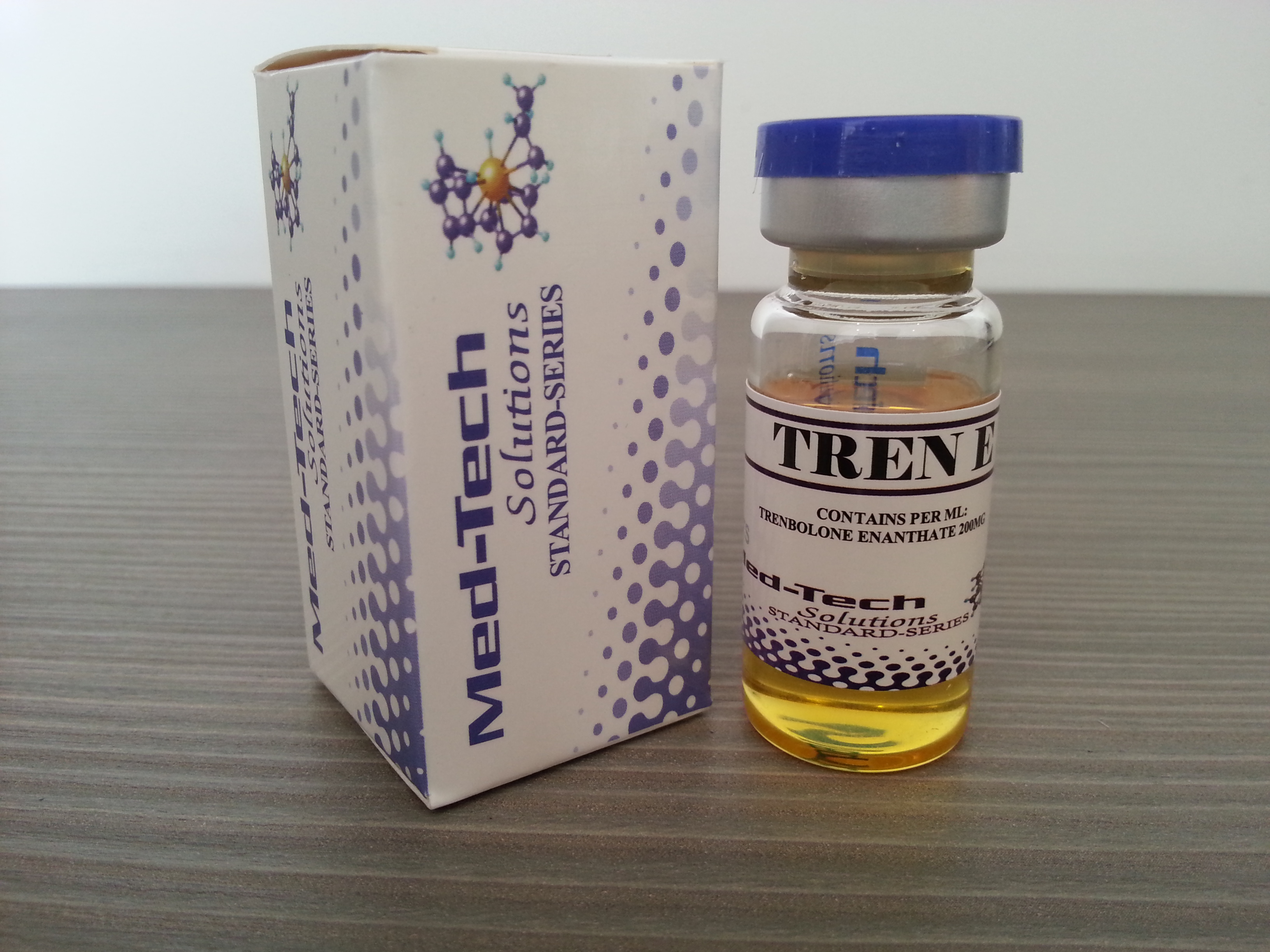
Tren ace vs tren e
TABLE OF CONTENTS

When delving into the world of bodybuilding and anabolic steroids, two compounds often come into conversation: Trenbolone Acetate (Tren Ace) and Trenbolone Enanthate (Tren E). Both known for their potency and results, understanding the differences between Tren Ace vs Tren E is vital for athletes aiming to enhance their physique and performance. 💪
Understanding Tren Ace
Tren Ace is a fast-acting ester of trenbolone, known for its quick saturation in the bloodstream, leading to rapid results. It is popular among bodybuilders prepping for competitions due to its shorter half-life, meaning it requires more frequent injections but offers tighter control over blood levels. This makes it ideal for users who want quick adjustments to their cycles.
Understanding Tren E
On the other hand, Tren E has a slower release, attributed to its longer ester chain. This means fewer injections are required, making it convenient for those who prefer infrequent administration. It maintains steadier blood levels of the hormone, reducing the risk of fluctuations that can cause side effects. This slower action also contributes to a gradual build-up of effects, providing a more sustained impact.
Tren Ace vs Tren E: Which Is Better?
Choosing between Tren Ace vs Tren E largely depends on the individual’s goals, cycle length, and personal preferences. Tren Ace is typically favored for shorter cycles due to its quick action, while Tren E is often selected for extended cycles because of its prolonged release. Some users may opt to start with Tren Ace for rapid results, then switch to Tren E to maintain their gains over a longer period. 🤔
However, it is important to remember that both variants of trenbolone carry similar risks and side effects, such as increased aggression, night sweats, and potential cardiovascular strain. Proper research and medical consultation are essential before considering their use.
Conclusion
Ultimately, the decision between Tren Ace vs Tren E boils down to individual goals and how one manages their cycle. Both have their pros and cons, and these should be weighed carefully by any user. Always prioritize health and safety when considering anabolic steroids. 🌟
FAQs
- What is the main difference between Tren Ace and Tren E?
Tren Ace acts faster and requires more frequent dosing, while Tren E has a prolonged effect with less frequent administration.
- Which is better for beginners, Tren Ace or Tren E?
Beginners are advised to avoid trenbolone derivatives due to their potency. However, some may choose Tren E for its less frequent dosing.
- Can I use both Tren Ace and Tren E together?
While possible, mixing both compounds requires careful planning and understanding of one’s response to trenbolone.
- What is the main difference between Tren Ace and Tren E?
BIG SALE | FAST SHIPPING
HOT PROMOTIONS!
CYT 3 6MG | T3 | Yohimbe | Clen | Weight Loss Blend | 100 Tablets Total Kit 600mg
$ 69.00

ZPHC UltraMix 10ml MultiUse Vial 1ml = 250mg

Original price was: $ 255.00.$ 179.00Current price is: $ 179.00.
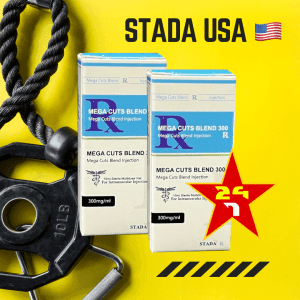
STADA MEGA CUTS BLEND 300 MG 10ML (TRENBOLONE)
Original price was: $ 129.00.$ 119.00Current price is: $ 119.00.

CROWX 👑 CLOMIROW 50 Mg / 50 Tabs ( Clomid )

Original price was: $ 79.00.$ 69.00Current price is: $ 69.00.

#Bodybuilding #Bodybuildingmotivation #Powerlifting #Bodybuilder #Heavyweightlifting #Workoutathome #stayfit #bodybuilding
Trenbolone acetate (Tren Ace) and Trenbolone enanthate (Tren E) are two popular forms of the anabolic steroid trenbolone, each characterized by distinct ester chains that impact their release and half-life. Tren Ace, with a shorter acetate ester, reaches peak levels rapidly in the bloodstream, making it desirable for athletes or bodybuilders seeking quick gains in strength and muscle mass. This rapid release results in a short half-life, necessitating more frequent injections to maintain stable blood levels. In contrast, Tren E features a longer enanthate ester, allowing for slower release and extended duration of action, which generally leads to less frequent injection schedules and potentially more stable hormone levels over time. While both substances are favored for their potent anabolic properties, including increased protein synthesis and nitrogen retention, they also carry risks of significant side effects like cardiovascular strain, hormonal imbalances, and mental health issues. Users often choose between Tren Ace and Tren E based on their individual tolerance for side effects, training goals, and personal preferences regarding injection frequency.