Tren hex vs tren acetate
TABLE OF CONTENTS

Trenbolone, an anabolic steroid renowned for its powerful effects, comes in various ester forms, with Tren Hex (Trenbolone Hexahydrobenzylcarbonate) and Tren Acetate being the most popular among athletes and bodybuilders. These substances differ in terms of their release duration, administration frequency, and side effects, which can significantly influence user experience and results.
The Chemistry of Tren Hex vs Tren Acetate
Tren Hex and Tren Acetate differ primarily in their ester composition, affecting how they release into the bloodstream. Tren Acetate has a shorter ester, leading to a faster release and shorter half-life, usually around 2-3 days. This necessitates more frequent injections, often every other day, to maintain stable blood levels. In contrast, Tren Hex is a longer-acting variant with a half-life of approximately 10-14 days, requiring fewer injections, typically biweekly.
Effects and Benefits of Tren Hex vs Tren Acetate
Both forms of Trenbolone are applauded for their capacity to dramatically increase muscle mass, strength, and endurance. Their powerful anabolic properties make them favorites among serious athletes. However, the choice between Tren Hex and Tren Acetate often depends on personal tolerance to frequent injections and the preference for either rapid or steady blood concentration levels.
Tren Acetate, due to its fast-acting nature, is often favored by those who wish to see quick results and who can manage frequent administration. It’s easier to control and allows users to promptly adjust dosages in response to side effects. Tren Hex, however, offers the convenience of less frequent dosing and a more sustained release, which can lead to more stable and prolonged effects.
Side Effects: Tren Hex vs Tren Acetate
Both forms of trenbolone can cause significant side effects, including night sweats, elevated blood pressure, and potential androgenic issues like acne and hair loss. The risk of such effects is largely dependent on dosage, user sensitivity, and individual reaction. Due to its rapid release, Tren Acetate’s effects can be more immediately noticeable, allowing users to quickly mitigate any adverse reactions by adjusting dosage or discontinuing use.
Conclusion: Which is Better for You?
Choosing between Tren Hex and Tren Acetate ultimately depends on personal goals, tolerance for frequent injections, and how one’s body responds to each compound. Both deliver potent anabolic effects but require mindful management to avoid side effects. Tren Acetate might suit those who prefer quick adaptations and regular monitoring, while Tren Hex might appeal to those valuing less frequent injections and a steady long-term approach.
FAQs: Tren Hex vs Tren Acetate
Q: Which is more potent, Tren Hex or Tren Acetate?
A: Both have similar potency but differ in their release rates and half-lives.
Q: Can beginners use Trenbolone?
A: It’s generally recommended for experienced users due to its strong effects and potential side effects.
Q: What’s better for cutting, Tren Hex or Tren Acetate?
A: Both can be effective for cutting; the choice depends on personal preference for administration frequency and how quickly one wants to adjust dosages.
BIG SALE | FAST SHIPPING
HOT PROMOTIONS!
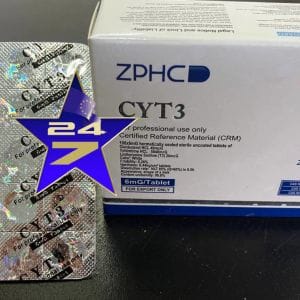
CYT 3 6MG | T3 | Yohimbe | Clen | Weight Loss Blend | 100 Tablets Total Kit 600mg
$ 69.00


Fierce nandrolone decanoate 300 / ml 10ml

Original price was: $ 131.00.$ 119.00Current price is: $ 119.00.


ZPHC UltraMix 1ml amps x 10 amps - 1ml = 250mg
Original price was: $ 259.00.$ 179.00Current price is: $ 179.00.
#Bodybuilding #Bodybuildingmotivation #Powerlifting #Bodybuilder #Heavyweightlifting #Workoutathome #stayfit #bodybuilding
Trenbolone hexahydrobenzylcarbonate (Tren hex) and trenbolone acetate are both forms of trenbolone, a powerful anabolic steroid commonly used to enhance muscle growth and performance. The key difference between the two lies in their ester chains, which affect their release rates and half-lives. Tren acetate has a shorter ester, leading to a faster release into the bloodstream and a shorter half-life, typically requiring more frequent injections—often daily or every other day—to maintain stable blood levels. This can result in more immediate effects and quicker adjustments in dosing or cessation if adverse effects occur. Conversely, Tren hex, often referred to as Parabolan, has a longer ester, resulting in a slower release and a longer half-life, allowing for less frequent injections, typically every 1-2 weeks. This extended-release profile can provide more stable blood levels over time, which some users prefer for sustained anabolic effects. However, it also means that any unwanted side effects might persist longer due to the slower clearance from the system. Both compounds deliver potent anabolic effects, but their differing pharmacokinetics offer distinct advantages and considerations for users depending on their cycle goals and tolerance for side effects.