Trenbolone 100: Understanding Its Role in Modern Bodybuilding
TABLE OF CONTENTS

Understanding Trenbolone 100
Trenbolone 100 is a well-regarded anabolic steroid among athletes and bodybuilders for its potent effects on muscle growth and performance enhancement. However, novice users and even experienced enthusiasts often have several questions about its usage, effectiveness, and potential risks. Below, we delve into some common queries regarding this substance.
What is Trenbolone 100?
Trenbolone 100 is a synthetic anabolic-androgenic steroid (AAS), which means it is designed to mimic the effects of naturally occurring male hormones like testosterone. Originally used in veterinary medicine, it is popular in bodybuilding circles thanks to its ability to promote significant muscle growth and improve athletic performance.
How does Trenbolone 100 work?
Trenbolone 100 increases protein synthesis and nitrogen retention in muscles. These processes are essential for muscle repair and growth, allowing users to build muscle mass rapidly. Additionally, it enhances red blood cell production, improving oxygen delivery to muscles, which can increase stamina and reduce fatigue during workouts.
What are the benefits of using Trenbolone 100?
The primary advantage of Trenbolone 100 is its ability to help users gain lean muscle mass quickly. It is also known for not converting to estrogen, which reduces the risk of water retention and gynecomastia (development of breast tissue in males). Users often report increased strength, endurance, and improved recovery times.
Are there any side effects?
Yes, like all anabolic steroids, Trenbolone 100 can have side effects. Users may experience acne, hair loss, and increased aggression. More severe side effects include heart issues, liver damage, and hormonal imbalances. It’s crucial for any potential user to thoroughly consider these risks and consult with a healthcare professional before starting any steroid regimen.
How is Trenbolone 100 commonly used?
Trenbolone 100 is typically administered through injection. Most users follow cycles, which means they take it for a certain period, followed by a break. This cycling helps minimize potential side effects and allows the body time to recover. Dosage and cycle length can vary based on experience level, goals, and tolerance.
Who should avoid Trenbolone 100?
Individuals with pre-existing health conditions, particularly heart, liver, or kidney problems, should avoid Trenbolone 100. It’s also not recommended for women due to its potent androgenic effects, which can lead to virilization (development of male characteristics).
Is Trenbolone 100 legal?
The legality of Trenbolone 100 varies between countries. In many places, it is illegal to use or possess without a prescription due to the potential for abuse and health risks. Users should research and adhere to local laws and regulations when considering its use.
Conclusion
Trenbolone 100 can be a potent tool for bodybuilders seeking significant gains in muscle mass and performance. However, this comes with potential risks that must be carefully considered. By understanding how this steroid works, its benefits, side effects, and legal status, individuals can make informed decisions about its role in their fitness journeys.
BIG SALE | FAST SHIPPING
HOT PROMOTIONS!
ZPHC UltraMix 1ml amps x 10 amps - 1ml = 250mg
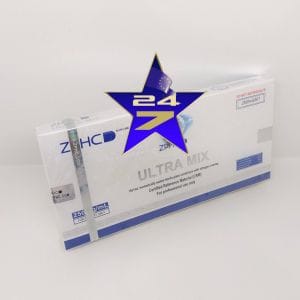
Original price was: $ 259.00.$ 179.00Current price is: $ 179.00.
CLOMID 50MG FIERCE 50 TABLETS
Original price was: $ 129.00.$ 119.00Current price is: $ 119.00.
CLOMIPHENE TABLETS 50mg 50 TABLETS FIERCE
Original price was: $ 99.00.$ 89.00Current price is: $ 89.00.
CYT 3 6MG | T3 | Yohimbe | Clen | Weight Loss Blend | 100 Tablets Total Kit 600mg
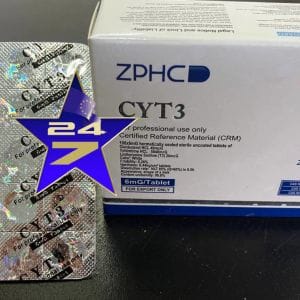
$ 69.00
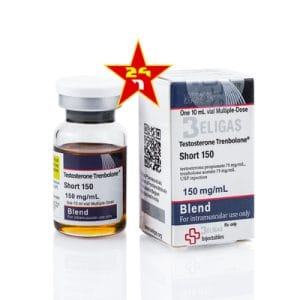


ZPHC Clomid Clomiphene 25mg/tablet | 100 Tablets Total: 2500mg
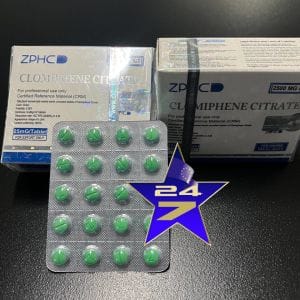
Original price was: $ 159.00.$ 65.00Current price is: $ 65.00.
This article aims to answer some essential questions about Trenbolone 100, but it is not an endorsement for its use. Speak with healthcare professionals for personalized advice and always prioritize safety and well-being.
Trenbolone 100 refers to a preparation of the potent anabolic steroid trenbolone, commonly used in veterinary medicine to promote muscle growth and appetite in livestock. In the bodybuilding and athletics communities, it is often utilized illicitly for its powerful ability to enhance muscle mass, strength, and performance. Known for its high anabolic ratio without concurrent estrogenic side effects, trenbolone 100 is a popular steroid among athletes looking for significant gains. However, its use comes with the risk of severe side effects, including cardiovascular issues, liver damage, hormonal imbalances, and psychological effects such as increased aggression. It’s important for users to be aware of these risks, and its legal status varies by region, often being classified as a controlled substance and banned in many sports.