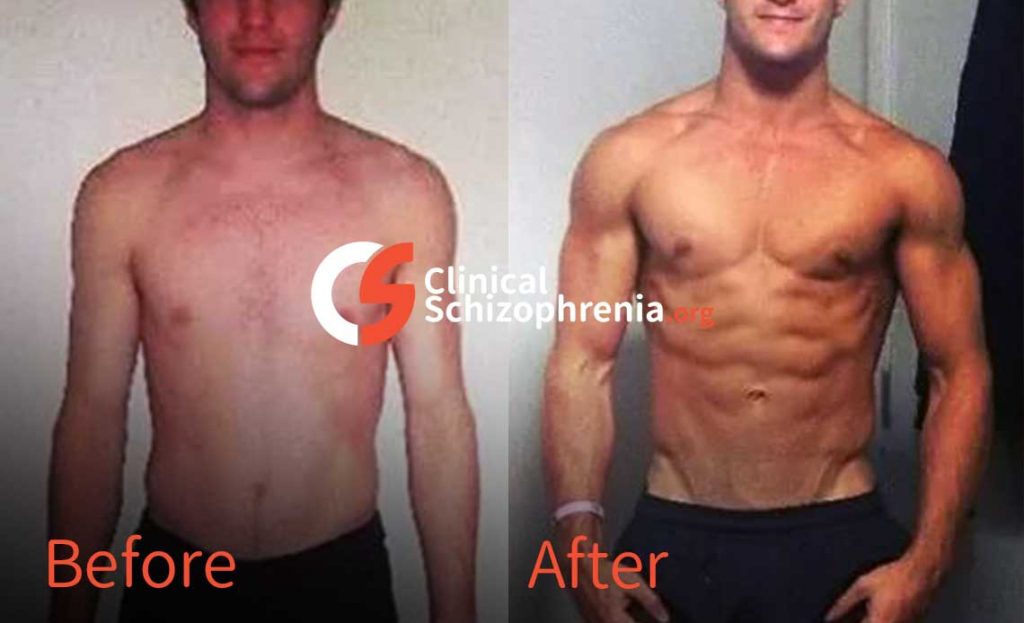
Trenbolone vs. Equipoise | Which Steroid Kicks Ass?
TABLE OF CONTENTS

In the world of bodybuilding, choosing the right performance-enhancing drugs can be daunting. Trenbolone (Tren) and Equipoise (EQ) are two popular steroids among athletes and bodybuilders aiming to enhance muscle growth and physical performance. While both have their benefits, they are often compared to determine which is the superior option. In this article, we will explore Tren vs EQ by discussing their unique attributes, benefits, and potential drawbacks.
The Basics of Trenbolone
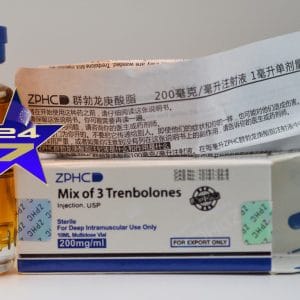
Trenbolone is an anabolic steroid renowned for its power to facilitate rapid muscle growth and fat loss. It is hugely popular due to its efficacy in increasing strength and performance. Tren works by promoting nitrogen retention and boosting red blood cell production. These contribute significantly to the user’s ability to train harder and recover faster.
However, Tren comes with its share of intense side effects. Users often report experiences such as acne, hair loss, increased aggression, and night sweats. Therefore, it requires careful usage and is generally recommended for experienced steroid users.
Understanding Equipoise
On the other hand, Equipoise, or EQ, is favored for its milder anabolic effects. Derived from testosterone, EQ is often chosen for its ability to increase strength and lean muscle mass without the extreme side effects associated with Tren. Athletes often find it beneficial due to its capability to improve appetite and red blood cell production, which is essential for endurance.
While EQ is preferred for those seeking slower, steadier gains, it still poses risks, including potential cardiovascular issues and estrogenic effects like water retention. Users often regard EQ as a more manageable option in terms of side effects, making it suitable for both newcomers and seasoned users.
Tren vs EQ: Comparing Benefits and Drawbacks
When considering Tren vs EQ, the decision largely hinges on the user’s goals, experience level, and tolerance for potential side effects. Tren is ideal for those wanting dramatic results in a shorter period without regard to possible intense side effects. Conversely, EQ is better suited for users aiming for consistent, long-term improvements with fewer adverse effects.
Ultimately, the choice between the two should take into account individual health conditions, fitness objectives, and willingness to navigate their respective side effect profiles. Consulting with healthcare professionals is crucial before embarking on any steroid regimen.
Conclusion
Deciding between Tren vs EQ involves weighing potential benefits against possible risks. Both have their advantages, with Tren offering fast, robust results and EQ providing steady, manageable gains. Each steroid demands respect for its potency and potential impact on one’s health. As such, thorough research, consultation, and careful planning are imperative for safe and effective use.
FAQs
- What is Trenbolone mainly used for?Trenbolone is used primarily for rapid muscle building and fat loss among bodybuilders and athletes.
- Is Equipoise safer than Tren?Equipoise is generally considered to have fewer severe side effects, making it a safer option for some users compared to Trenbolone.
- Can beginners use Trenbolone?Trenbolone is typically recommended for experienced steroid users due to its potent effects and strong side effect profile.
BIG SALE | FAST SHIPPING
HOT PROMOTIONS!




CROWX 👑 CLOMIROW 50 Mg / 50 Tabs ( Clomid )
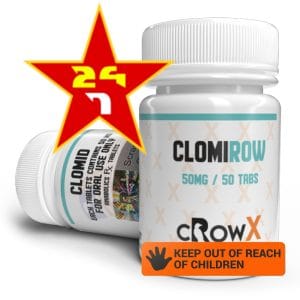
Original price was: $ 79.00.$ 69.00Current price is: $ 69.00.
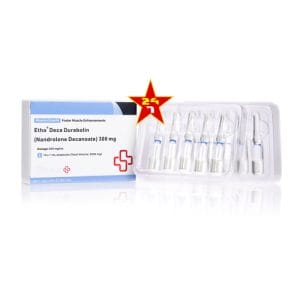

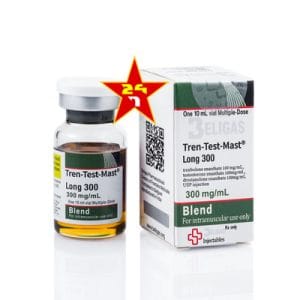
#Bodybuilding #Bodybuildingmotivation #Powerlifting #Bodybuilder #Heavyweightlifting #Workoutathome #stayfit #bodybuilding
Trenbolone (Tren) and Equipoise (EQ), both anabolic steroids, are frequently compared by bodybuilders and athletes for their muscle-building and performance-enhancing properties. Trenbolone is renowned for its powerful anabolic effects, significantly increasing muscle mass and strength in a comparatively short period, but it also carries a high risk of side effects, such as night sweats, insomnia, and mood swings. Conversely, Equipoise, known as boldenone undecylenate, is perceived as milder, promoting a more gradual gain in muscle size and strength with fewer and less severe side effects, making it popular among those seeking steady results with a lower risk of adverse reactions. Despite their differences in potency and side effect profiles, both substances are used without approval for human use and carry significant risks, necessitating careful consideration and medical guidance for those contemplating their use.