


Understanding Dyrenium: A far-reaching key to Its Uses & Benefits

Introduction to Dyrenium Triamterene
Dyrenium Triamterene is a medication primarily used to manage fluid retention in patients suffering from certain medical
conditions, such as congestive heart failure or liver cirrhosis. It aids in getting rid of excess fluid from
the body by promoting urination. This makes it a valuable tool in preventing complications associated with
fluid overload.
How Dyrenium Triamterene Works
The active ingredient in Dyrenium, triamterene, belongs to a class of medications known as potassium-sparing
diuretics. Unlike other diuretics, triamterene prevents excessive potassium loss while helping to eliminate
sodium and water from the body. It works by affecting the balance of fluid and electrolytes in the kidneys,
which helps reduce the swelling and fluid retention that many patients experience.
Uses of Dyrenium Triamterene
Dyrenium is often prescribed for conditions involving edema, which is the medical term for swelling due to
fluid retention. In addition to heart failure and liver disorders, it can also be used for specific kidney
disorders that lead to fluid accumulation. By reducing fluid build-up, the medication helps decrease
discomfort and the risk of developing complications like hypertension, with better symptom management
achieved through ongoing monitoring.
Potential Side Effects of Dyrenium Triamterene
As with most medications, Dyrenium may present some side effects. Common ones include dizziness,
headaches, and mild gastrointestinal issues like nausea. In rare cases, the medication may lead to more
serious side effects, such as an imbalance of electrolytes or kidney problems. Patients are advised to
consult healthcare professionals if they experience any severe or persistent symptoms. Monitoring kidney
function and electrolyte levels is essential while taking this medication.
Conclusion
Dyrenium is a significant medication for treating fluid retention in various health conditions. Its
potassium-sparing properties make it a preferred choice for patients who need to maintain electrolyte
balance. However, like all medications, it is essential to follow medical guidance and be aware of potential
side effects. Regular consultations with healthcare providers will ensure the safe and effective use of
Dyrenium.
FAQs
What is Dyrenium used for?
Dyrenium is used to manage fluid retention associated with diseases like congestive heart failure and liver
cirrhosis.
How should I take Dyrenium?
It is essential to follow your doctor’s instructions when taking Dyrenium, usually taken with or after a meal
to reduce stomach upset.
What are the common side effects of Dyrenium?
Common side effects include dizziness, headaches, and mild gastrointestinal discomfort. Always consult your
healthcare provider if you experience unusual symptoms.
Can Dyrenium affect my potassium levels?
Yes, Dyrenium is a potassium-sparing diuretic, which means it can increase your potassium levels. Regular
blood tests are recommended to monitor these levels.
BIG SALE | FAST SHIPPING
HOT PROMOTIONS!




CLOMIPHENE TABLETS 50mg 50 TABLETS FIERCE

Original price was: $ 99.00.$ 89.00Current price is: $ 89.00.
ZPHC UltraMix 10ml MultiUse Vial 1ml = 250mg
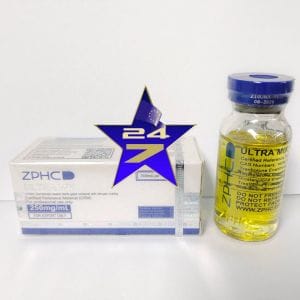
Original price was: $ 255.00.$ 179.00Current price is: $ 179.00.
CROWX 👑 CLOMIROW 50 Mg / 50 Tabs ( Clomid )

Original price was: $ 79.00.$ 69.00Current price is: $ 69.00.
Fierce nandrolone decanoate 300 / ml 10ml

Original price was: $ 131.00.$ 119.00Current price is: $ 119.00.
STADA MEGA CUTS BLEND 300 MG 10ML (TRENBOLONE)

Original price was: $ 129.00.$ 119.00Current price is: $ 119.00.

Dyrenium, known generically as triamterene, is a potassium-sparing diuretic commonly used to treat fluid retention (edema) and hypertension. It works by promoting the excretion of sodium and water from the kidneys while conserving potassium, thus helping to maintain a proper electrolyte balance in the body. This medication is often prescribed alongside other diuretics, such as thiazides, to enhance effectiveness while minimizing the risk of significant potassium loss, a typical side effect of many other diuretics. Patients using Dyrenium are frequently monitored for electrolyte levels and kidney function to prevent potential complications such as hyperkalemia, a condition characterized by excessively high potassium levels in the blood. As with any medication, it is crucial to follow the healthcare provider’s instructions and report any adverse effects or concerns immediately.