
Understanding Edging: The Art of Delayed Gratification

Edging is a practice that can apply to various disciplines, contexts, or scenarios, each with its own distinct meaning. Generally, the concept of edging involves creating a boundary, a limit, or a transitional phase between two states. This article explores the multifaceted nature of what does edging mean, examining its implications across different domains.
The Landscaping Perspective: What Does Edging Mean?
In the realm of landscaping, edging refers to the process of creating a clear boundary between different areas of a yard or garden, such as separating grass from flower beds or walkways. Achieving this often entails using physical materials like bricks, stones, or metal strips to establish a clean and defined edge. This practice not only enhances the aesthetic appeal of an outdoor space but also aids in controlling the spread of grass, weeds, and other plants, contributing to a more organized and well-maintained environment.
Edging in the Context of Personal Development
From a personal development standpoint, edging can be seen as the act of pushing oneself to the brink of a comfort zone, allowing for personal growth and the cultivation of resilience. Whereas some individuals may view this as motivating or challenging, others may find it intimidating. The ultimate aim here is to experience the tension or excitement found at the precisely maintained boundary without overstepping into overwhelming or uncharted territory.
Sexual Expression: What Does Edging Mean?
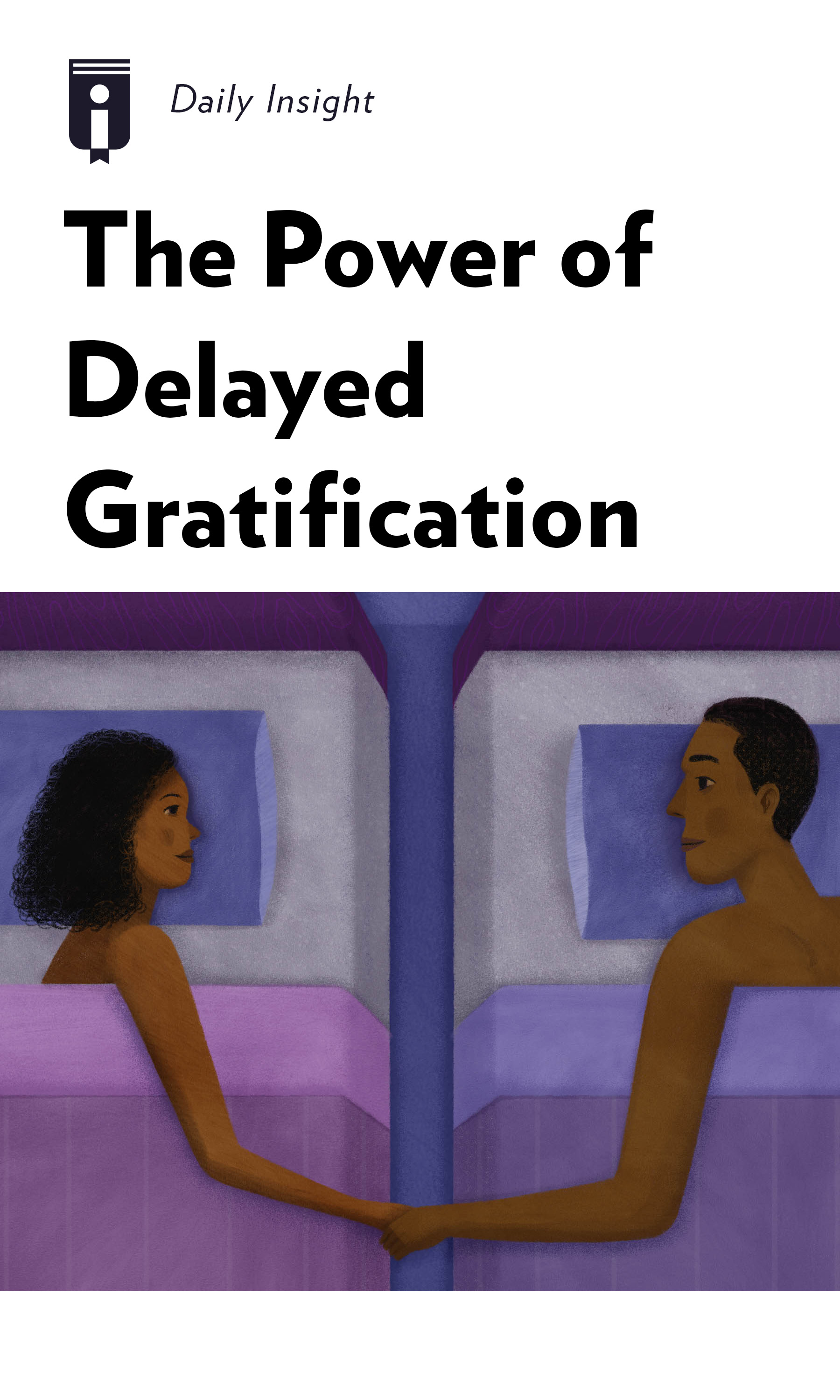
In the sphere of sexuality, edging is the practice of controlling and delaying orgasm to enhance sexual pleasure. Individuals or couples may engage in this activity to prolong the experience of sensual arousal and build up to a more intense climax. This involves monitoring one’s own responses closely during sexual activity and pausing or slowing down at the point of impending orgasm. This repeated pattern of approach and retreat often leads to a heightened sense of intensity and satisfaction.
Psychological Aspects: Managing Emotional Boundaries
Psychologically, edging pertains to managing emotional or psychological boundaries. Here, individuals tread carefully at the edges of emotional exposure or vulnerability, consciously deciding how much of their inner world to reveal or conceal. This process can play a critical role in building trust and intimacy in relationships while shielding oneself from potential emotional harm.
Conclusion
Understanding what edging means requires recognizing its varied applications in both practical and abstract contexts. Whether discussing landscaping, personal growth, sexual practices, or emotional boundaries, edging involves a purposeful engagement with transitional spaces. It is about maintaining control, whether over a physical landscape, one’s psychological state, or emotional experiences. Grasping these nuances allows for a richer appreciation of how edging can impact our lives, offering both structure and freedom where needed.
BIG SALE | FAST SHIPPING
HOT PROMOTIONS!


CROWX 👑 CLOMIROW 50 Mg / 50 Tabs ( Clomid )

Original price was: $ 79.00.$ 69.00Current price is: $ 69.00.






CLOMIPHENE TABLETS 50mg 50 TABLETS FIERCE

Original price was: $ 99.00.$ 89.00Current price is: $ 89.00.
FAQs
What is the purpose of edging in landscaping?
Edging in landscaping helps create a clear boundary between different elements such as grass and flower beds, which aids in both aesthetic appeal and plant management.
How can edging benefit personal development?
By pushing oneself to the edge of comfort zones, individuals can foster personal growth, build resilience, and gain confidence in their abilities.
Is edging safe and effective in sexual contexts?
When done consensually and attentively, edging can enhance sexual pleasure by prolonging arousal and intensifying the eventual climax. Always prioritize communication and consent with partners.
For further insights, consider exploring articles on gardening techniques and psychological boundaries to further contextualize the practice of edging.
Edging is a term often used in both gardening and sexual contexts, where it refers to different practices in each domain. In gardening, edging involves creating distinct boundaries between different areas, such as between a lawn and a flowerbed, to enhance aesthetic appeal and prevent grass or weeds from encroaching into garden spaces. It often involves physical barriers like stones, bricks, or metal strips. In the realm of human sexuality, edging refers to a practice where an individual brings themselves or their partner close to orgasm, only to stop just before climaxing. This deliberate delay of orgasm is repeated multiple times to heighten eventual sexual pleasure, increase intensity of the climax, and extend the duration of sexual activity. In both contexts, edging is about control and precision to achieve a desired outcome, whether it be a neatly maintained garden or an intensified sensual experience.