
Understanding hCG: The Hormone Behind Pregnancy Tests

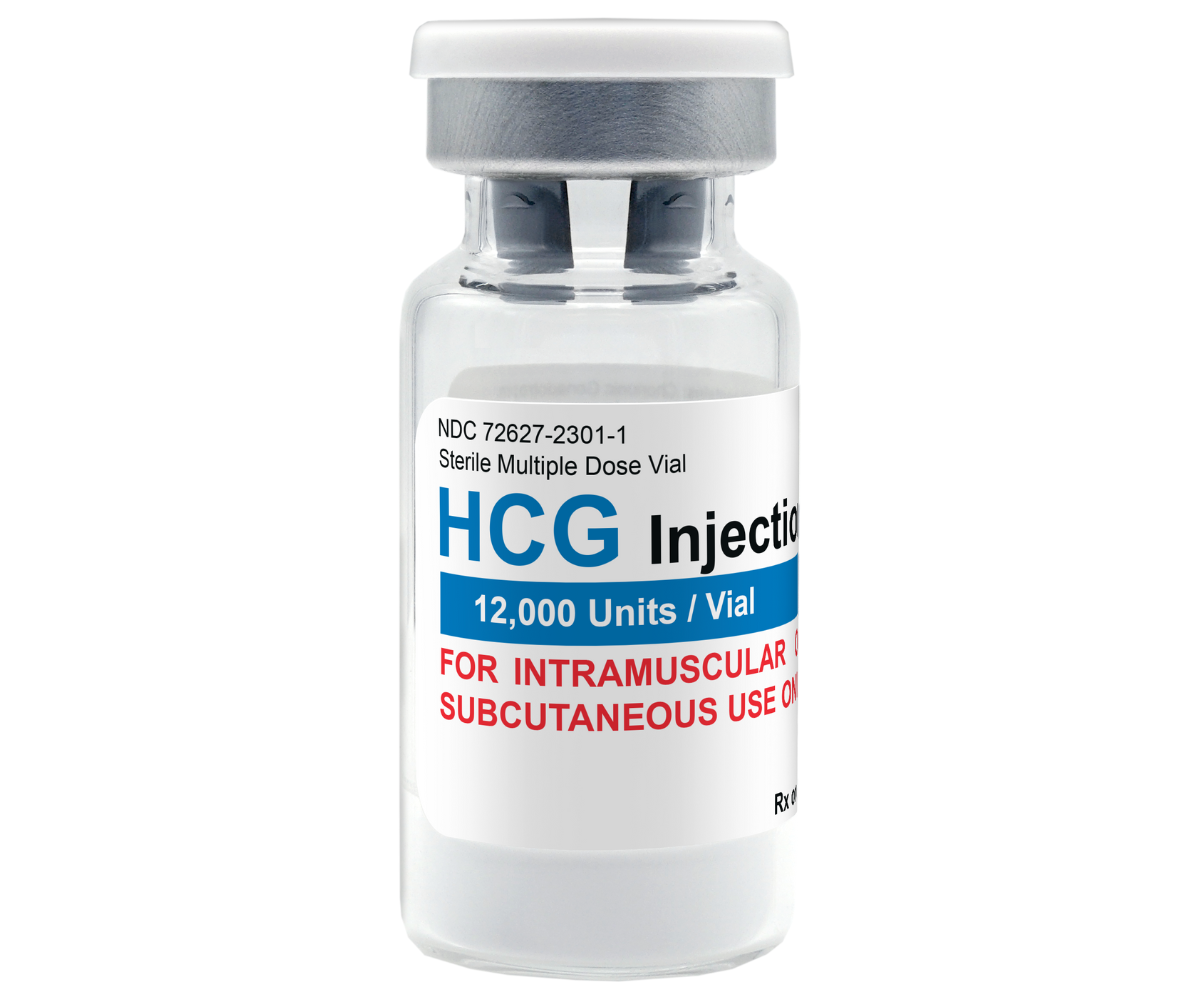
Human choriongonadotropin (hCG) is a hormone with significant implications in both medical and bodybuilding communities. Primarily known for its role in pregnancy, hCG has garnered attention for various other applications, particularly in weight loss and performance enhancement. This article explores the multifaceted nature of hCG, its uses, and common queries associated with its application.
What is Human Choriongonadotropin?
Human choriongonadotropin is a hormone produced by the placenta after implantation. In medical terms, its presence is essential for maintaining the corpus luteum and supporting the production of progesterone during early pregnancy. hCG levels are commonly measured in pregnancy tests.
Uses of Human Choriongonadotropin
Medical Applications
In the medical field, hCG is used to treat specific health conditions. It helps men with hypogonadism to increase testosterone production and assist in the development of male secondary sexual characteristics. It is also used in assisted reproductive technologies to trigger ovulation in women.
Weight Loss Supplement
Some weight loss programs incorporate hCG to promote fat loss. Although its efficacy in weight management is debated, numerous individuals claim success when combining hCG with a low-calorie diet. The hormone is thought to help in maintaining muscle mass while promoting fat loss, though scientific backing is limited.
Bodybuilding and Performance Enhancement
Bodybuilders often use hCG to maintain testosterone levels and prevent testicular shrinkage during and after anabolic steroid cycles. It aids in stimulating testosterone production and restoring natural hormone levels, ensuring balanced post-cycle recovery.
For more on this application, check platforms like John Doe Bodybuilding and Steroid Planner.
Conclusion
Human choriongonadotropin is a versatile hormone, critical in pregnancy but with extended uses in medical treatments and bodybuilding. While compelling for its supposed benefits in weight management and muscle preservation, it’s crucial to approach hCG applications with careful consideration of scientific evidence and medical guidance. As the interest in performance enhancement grows, resources like Steroid.com provide insights for those exploring this route.
FREE SHIPPING
HOT PROMOTIONS!
BIG SALE | FAST SHIPPING
TADALAFIL 20MG AXIOM ♂ CIALIS 50 TABLETS
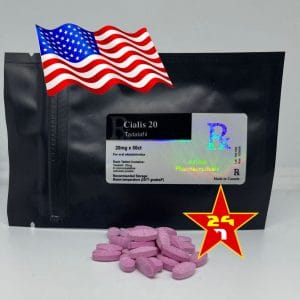
Original price was: $ 219.00.$ 129.00Current price is: $ 129.00.

SUSTANON 300MG BLEND AXIOM 10ML
Original price was: $ 118.00.$ 99.00Current price is: $ 99.00.
ZPHC Winstrol Stanozolol 10mg x 100 Tablets
Original price was: $ 99.00.$ 79.00Current price is: $ 79.00.


FAQs about Human Choriongonadotropin
What Are the Side Effects of Human Choriongonadotropin?
Potential side effects include headaches, mood changes, fatigue, and water retention. It is essential to consult healthcare providers before starting hCG treatments.
Can Men Use Human Choriongonadotropin?
Yes, it is commonly used by men, particularly athletes and bodybuilders, to stimulate testosterone production. It can also assist in treating medical conditions related to hormone deficiencies.
How Is Human Choriongonadotropin Administered?
hCG is typically administered via injection, either intramuscularly or subcutaneously. The dosage and duration depend on the specific application and individual needs.
Is the Use of Human Choriongonadotropin Legal?
The legality of hCG usage varies by country and specific application. In many regions, it is only legal with a prescription for medical purposes. It’s important to check local regulations or consult reliable sources like Ulaska for detailed information.
Human chorionic gonadotropin (hCG) is a hormone crucial during early pregnancy, produced by cells in the placenta. Its primary role is to support the corpus luteum, ensuring the continued production of progesterone, which is vital for maintaining the uterine lining and supporting early fetal development. hCG levels can be detected in blood and urine, making it a reliable indicator for pregnancy tests. Beyond pregnancy, hCG is sometimes used in fertility treatments to encourage ovulation. Elevated or abnormal levels of hCG can also be indicative of certain medical conditions, such as gestational trophoblastic disease or some cancers.