
Understanding Infected Belly Button Piercings

Belly button piercings have long been popular among individuals seeking to express their unique style. However, while they offer an aesthetically pleasing look, complications can occasionally arise, with infection being the most common concern. Infected belly button piercings, if left unchecked, can lead to serious health issues. This article explores the causes, prevention methods, and care required for infected belly button piercings.
Causes of Infected Belly Button Piercings
A piercing becomes infected when bacteria penetrate the skin barrier and multiply. Several factors can contribute to the occurrence of an infected belly button piercing:
-
- Poor Hygiene: The area around the navel is prone to gathering bacteria. If not cleaned regularly with appropriate saline solution, the risk of infection increases.
-
- Improper Aftercare: After getting a piercing, it is essential to follow the aftercare instructions provided by your piercer. Neglecting this can lead to complications.
-
- Touching with Unclean Hands: Frequently touching your new piercing with dirty hands can transfer bacteria and germs, increasing the risk of infection.
-
- Wrong Jewelry Choices: Using nickel or low-quality jewelry can irritate the skin and increase the likelihood of an infection. Always choose high-quality materials like surgical steel or titanium for new piercings.
Preventing Infected Belly Button Piercings
Preventive measures play a crucial role in minimizing the risk of infection. Here are a few steps you can take:
-
- Follow Aftercare Guidelines: Your piercer will provide specific aftercare instructions. Typically, these involve cleaning the piercing with saline solution twice a day and avoiding submersion in pools, hot tubs, or any body of water.
-
- Avoid Touching: Limit touching the piercing site unless necessary, and always wash your hands thoroughly beforehand.
-
- Choose the Right Jewelry: High-quality, non-reactive metals are essential to prevent irritation and subsequent infections.
Caring for Infected Belly Button Piercings
If you suspect an infection in your belly button piercing, early intervention is key:
-
- Clean the Area: Gently clean the area with saline solution to maintain hygiene and reduce bacterial load.
-
- Avoid Jewelry Removal: Do not remove the jewelry, as this can cause the piercing hole to close around the infection, trapping it inside.
-
- Consult a Healthcare Professional: If symptoms like redness, swelling, or pus persist, seek medical advice promptly.
Conclusion
Infected belly button piercings can be a painful and concerning issue if not handled properly. Awareness and proper aftercare are essential in preventing and managing infections. By maintaining good hygiene, selecting the right jewelry, and following aftercare instructions, you can enjoy your belly button piercing with minimal risk of complications.
FAQs
What are the symptoms of an infected belly button piercing?
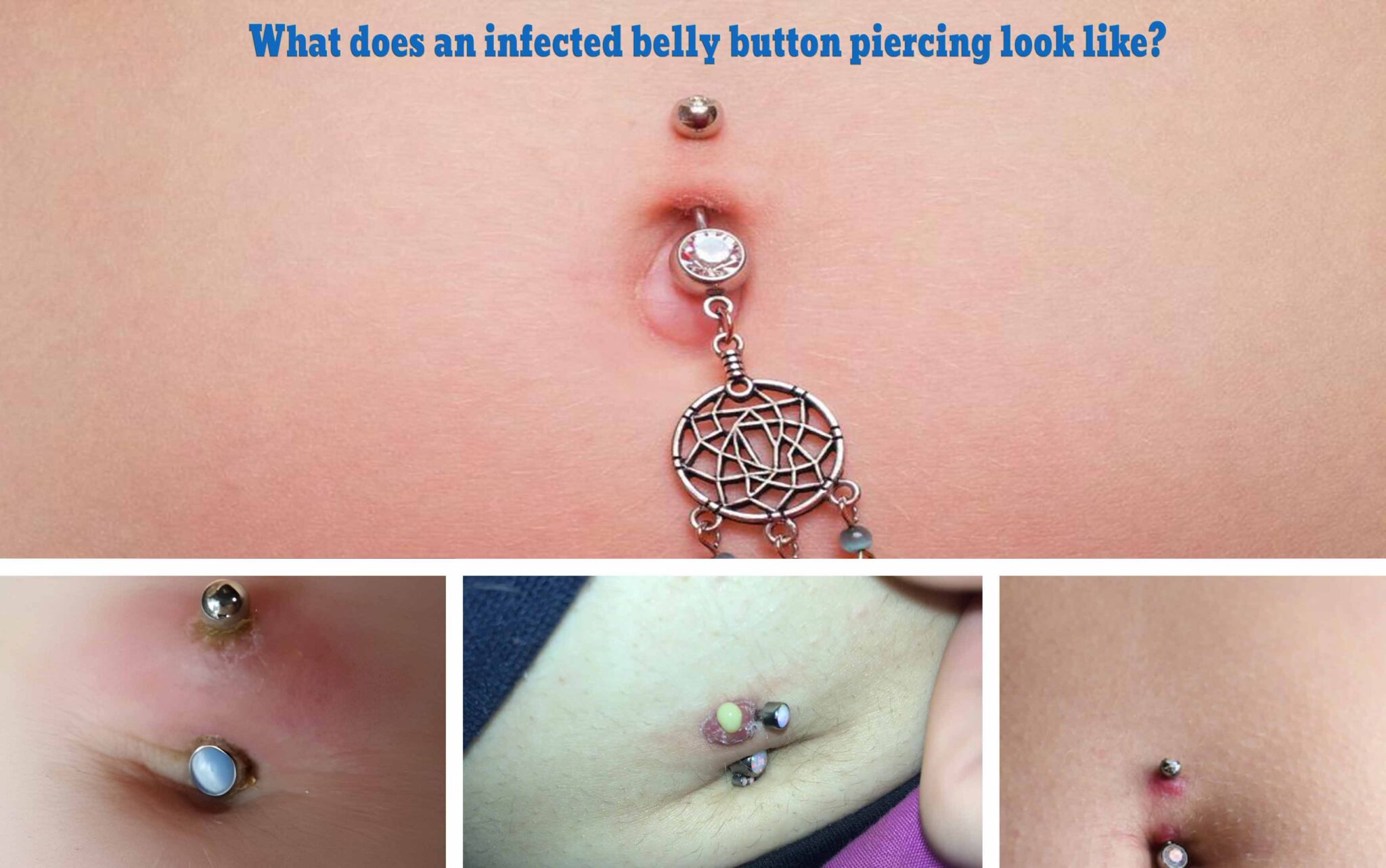
Symptoms include redness, swelling, pain, warmth around the piercing, and the presence of yellow or green pus.
Can I reuse jewelry from an infected belly button piercing?
No, it’s advisable not to reuse jewelry that has been in an infected piercing as it may carry bacteria that can cause a new infection.
How long does it take for an infected belly button piercing to heal?
With proper care and treatment, an infected belly button piercing can take a few weeks to heal. However, this may vary depending on the severity of the infection and individual healing rates.
When should I see a doctor?
If symptoms of infection persist for more than a few days or if you develop a fever, it’s essential to consult a healthcare professional.
For more information on body piercings, visit Healthline’s guide or check out Mayo Clinic’s advice on body piercings.
BIG SALE | FAST SHIPPING
HOT PROMOTIONS!

Beligas 10ml Vial Testosterone NPP Blend 150mg

Original price was: $ 119.00.$ 99.00Current price is: $ 99.00.




An infected belly button piercing can be an uncomfortable and sometimes painful experience that occurs when bacteria enter the piercing site, often due to improper aftercare or exposure to unclean environments. Common symptoms of an infected piercing include redness, swelling, warmth, pain, and discharge that may be yellow or green, indicating the presence of pus. It is crucial to address the infection promptly to prevent further complications, such as the formation of an abscess or systemic infection. Proper aftercare includes cleaning the area with saline solution, avoiding touching the piercing with dirty hands, and refraining from submerging the piercing in unclean water, such as pools or hot tubs. In some cases, it may be necessary to consult a healthcare professional who may prescribe antibiotics or recommend removing the jewelry if the infection does not improve. Ensuring the piercing is done by a professional with sterile techniques and high-quality jewelry can also significantly reduce the risk of infection.