
Understanding Pansexuality: Embracing Attraction Beyond Gender

Pansexuality is a sexual identity that garners increasing attention as society moves towards greater inclusivity and understanding of diverse orientations. Recognized for its emphasis on attraction to individuals regardless of their gender or sexual identity, this orientation challenges traditional binaries and invites broader perspectives on love and attraction.
What is Pansexuality?
Pansexuality is frequently summarized by the phrase “hearts not parts,” signifying the focus on emotional and mental connections over physical attributes or gender identity. Those who identify with this orientation might find themselves attracted to men, women, transgender individuals, non-binary people, or anyone across the gender spectrum. It promotes a fluid understanding of attraction, asserting that love transcends gender and traditionally defined boundaries.
How is Pansexuality Different?
While often compared to bisexuality, the key difference lies in the scope of attraction. Bisexuality typically describes attraction to two or more genders, while pansexuality encapsulates an attraction to all genders. It emphasizes inclusion and acknowledges that gender is non-essential in determining whom one can be attracted to. This orientation thus contributes to breaking down gender norms and promoting an inclusive understanding of relationships.
Pansexuality in Popular Culture
Society’s broader awareness and acceptance of this orientation have been amplified by representation in media and the openness of public figures. Celebrities and public personalities have played pivotal roles in raising awareness about their pansexual identities, facilitating open discussions and increased visibility.
The Importance of Education
Education is crucial in demystifying misconceptions surrounding this orientation. As conversations expand, it’s essential for educational resources to accurately reflect diverse identities and ensure inclusive language. School curricula, media portrayals, and public discourse must evolve to embrace and represent the spectrum of orientations fairly and comprehensively.
Common Misconceptions
Despite the increasing visibility of pansexuality, misconceptions persist. One common misunderstanding is equating pansexual individuals with promiscuity. In truth, attraction frameworks do not dictate one’s choices or lifestyle. Additionally, some erroneously believe that being pansexual is a phase or trend. However, it’s a genuine, enduring identity for many people.
Conclusion
Pansexuality represents a broader, inclusive view of attraction that transcends traditional gender distinctions. Its recognition and acceptance reflect a growing societal shift towards honoring individual identities and understanding that love is about emotional connections, not gender. Engaging with and educating about this orientation paves the way for more inclusive societies where everyone can freely express who they are.
[wpcs id=”9858″]
FAQs
What is the primary distinction between pansexuality and other sexual orientations?
Pansexuality is characterized by attraction to individuals regardless of gender, celebrating the emotional and mental connections rather than physical attributes.
How does society benefit from understanding pansexuality?
Increased understanding fosters inclusivity, breaks down stereotyping, and promotes acceptance of diverse identities, contributing to a more equitable society.
Is pansexuality a new term?
While it has recently gained prominence, the concept has existed historically. It highlights the evolving nature of language and societal understanding of diverse sexual identities.
For further exploration, consider reading more about LGBTQIA+ terminologies and the history of sexual orientations.
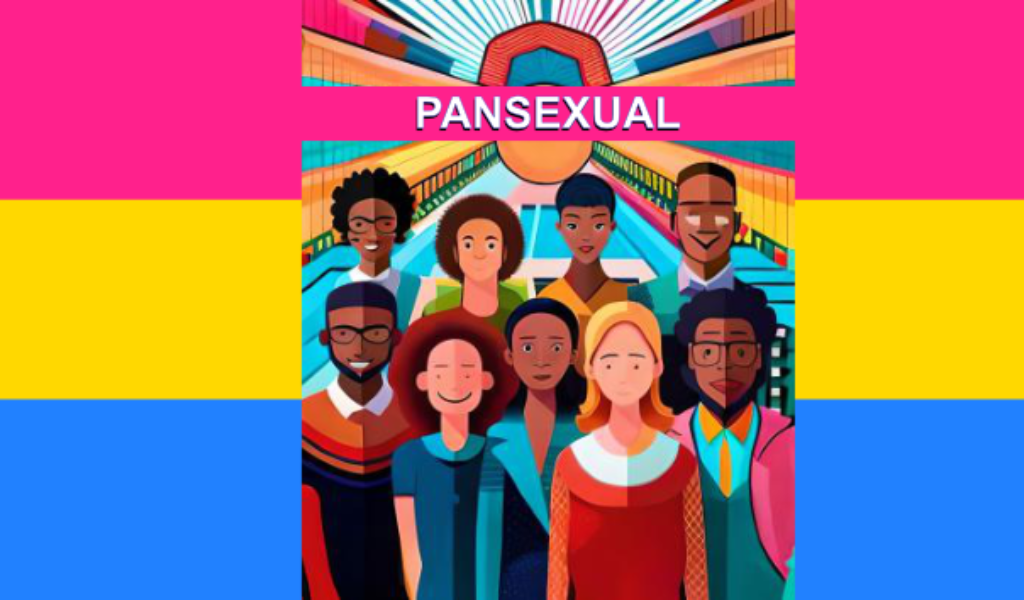
Pansexuality is a sexual orientation characterized by the attraction to people regardless of their gender identity or biological sex. Individuals who identify as pansexual are open to forming romantic or sexual relationships with people across the entire spectrum of gender, including male, female, transgender, genderqueer, non-binary, and others. This orientation emphasizes the fluidity and inclusivity of human attraction, rejecting traditional binary notions of gender. Pansexuality is often symbolized by a flag with magenta, yellow, and cyan stripes, representing attraction to female, non-binary, and male genders, respectively. It’s important to note that pansexuality is distinct from bisexuality, although similar, as it explicitly acknowledges and embraces gender diversity. By fostering understanding and acceptance, pansexuality challenges societal norms and promotes inclusivity and acceptance within the broader LGBTQ+ community.