Understanding Steroid Conversion: A thorough Lead
TABLE OF CONTENTS

Steroid conversion is a crucial aspect in the field of medicine, particularly when dealing with corticosteroids. These are essential for managing inflammation in diseases such as asthma and arthritis. However, different corticosteroids vary in their potency, half-life, and equivalence. Knowing how to accurately perform a steroid conversion can significantly impact treatment outcomes. This article aims to provide an overview of steroid conversion, guiding you through its importance and processes.
The Importance of Steroid Conversion
Corticosteroids, both systemic and topical, are a staple in modern medicine. They help control inflammation, alleviate pain, and manage autoimmune responses. However, not all steroids are created equal. Some steroids are more potent than others, necessitating precise conversion when switching a patient from one steroid to another to ensure effective treatment and minimize side effects. Incorrect dosing can lead to inadequate treatment or severe side effects such as adrenal suppression. Hence, effective steroid conversion is indispensable for healthcare providers.
Steroid Conversion Tools
There are multiple resources available for steroid conversion. Conversion charts and calculators have become indispensable tools for healthcare providers. These tools allow for the accurate transformation of one corticosteroid drug to an equivalent dose of another. Often, these conversions take into account the relative potency, binding affinity, duration of action, and patient-specific factors. Utilizing these resources ensures that steroids are administered safely and effectively. One powerful resource is online steroid conversion calculators, which can be accessed via medical websites such as this one.
Practical Application of Steroid Conversion
In a clinical setting, a patient might be taking prednisone, and due to specific reasons, the physician decides to switch them to dexamethasone. Each of these drugs has a unique potency profile. For instance, dexamethasone is several times more potent than prednisone. In such scenarios, steroid conversion is applied to calculate the equivalent dose. This meticulous process ensures that treatment efficacy remains consistent and the risks of adverse effects like Cushing’s syndrome are managed.
Conclusion
Steroid conversion is an indispensable process for ensuring that corticosteroid treatments are both effective and safe. By understanding the relative potencies and appropriate conversion methods, healthcare providers can tailor treatments to patient needs effectively. The availability of conversion calculators and charts further simplifies this critical process, aiding in informed clinical decision-making.
BIG SALE | FAST SHIPPING
HOT PROMOTIONS!

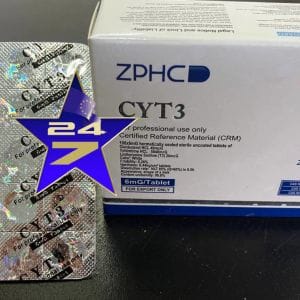
CYT 3 6MG | T3 | Yohimbe | Clen | Weight Loss Blend | 100 Tablets Total Kit 600mg
$ 69.00

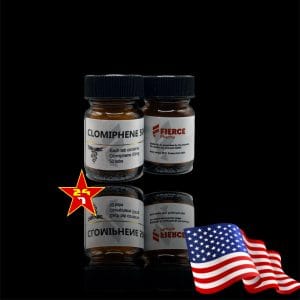
CLOMID 50MG FIERCE 50 TABLETS
Original price was: $ 129.00.$ 119.00Current price is: $ 119.00.
STADA MEGA CUTS BLEND 300 MG 10ML (TRENBOLONE)

Original price was: $ 129.00.$ 119.00Current price is: $ 119.00.


FAQs
What is steroid conversion?
Steroid conversion refers to the process of calculating an equivalent dose when switching from one corticosteroid drug to another to maintain the desired therapeutic effect while minimizing side effects.
Why is steroid conversion important?
It’s important because different steroids have varying potencies. Accurate conversion prevents underdosing or overdosing, thus ensuring therapeutic effectiveness and reducing the risk of adverse effects.
Are there tools available for steroid conversion?
Yes, several online calculators and conversion charts are designed to assist in determining equivalent dosages of different corticosteroids. Websites like this host some of these tools.
Can steroid conversion be performed manually?
While it is possible to perform steroid conversion manually using tables and formulae found in medical textbooks, using digital tools ensures accuracy and efficiency, particularly in busy clinical settings.
By leveraging the right tools and knowledge, healthcare providers can effectively manage the complexities of steroid conversion, thus optimizing patient care.
Steroid conversion refers to the biochemical process by which one type of steroid molecule transforms into another, often facilitated by enzymes in the body. This is a critical aspect of steroid metabolism, as it affects the balance and function of hormones such as estrogen, testosterone, and cortisol. The conversion process involves enzymatic reactions like hydroxylation, dehydrogenation, and isomerization, which either activate or deactivate specific steroid hormones. Understanding these pathways is crucial for medical applications, particularly in developing treatments for hormone-related disorders and crafting anabolic steroids for therapeutic use. Moreover, manipulating steroid conversion pathways can help address conditions such as androgenic alopecia or hormone-driven cancers by adjusting the physiological levels of certain hormones.