Understanding the Basics: What is the Monomer of Protein?
TABLE OF CONTENTS

Proteins are indispensable to the biological frameworks of all living organisms, playing crucial roles in virtually every cellular process. Understanding the basic building blocks of proteins is essential for studying biology and biochemistry. One might wonder, what is the monomer of protein? The simple answer is amino acids. These are the foundational compounds that link together to form proteins, which function in structural roles, catalyzing biochemical reactions, signal transmission, and more.
Understanding the Concept
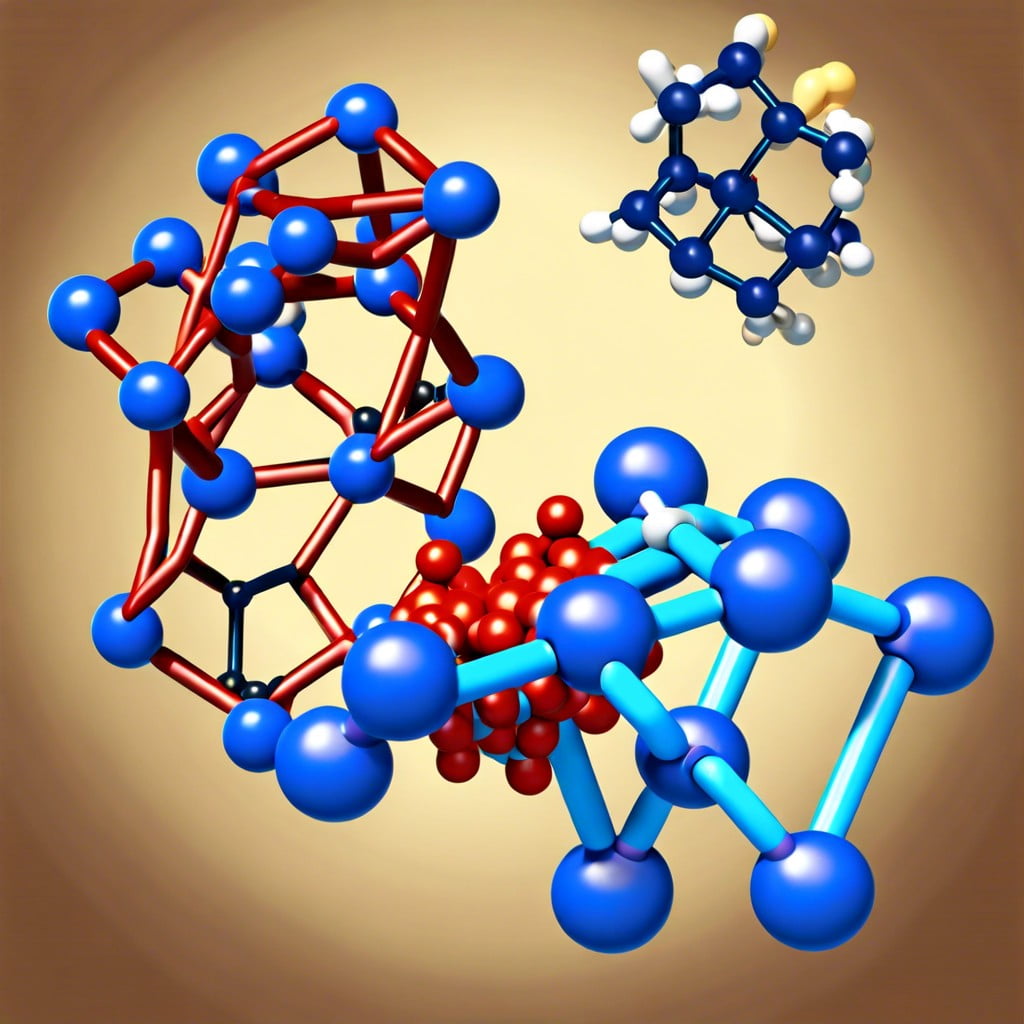
To answer the burgeoning question, “what is monomer of protein?” we delve into amino acids. These organic compounds are characterized by an amino group, a carboxyl group, a hydrogen atom, and a unique side chain. The distinctive properties of each of the 20 different amino acids determine the role they play in constructing proteins. The sequence and composition of amino acids define the protein’s structure, stability, and function.
The Role of Peptide Bonds
When exploring what is monomer of protein, understanding the binding mechanism is key. Amino acids form proteins by connecting through peptide bonds, which occur during a dehydration synthesis reaction. The formation of peptide bonds between the amino group of one amino acid and the carboxyl group of another results in a chain called a polypeptide. The sequence of amino acids in a polypeptide is pivotal as it determines the eventual 3-dimensional structure of the protein, essential for its functionality.
Proteins and Their Functions
What is monomer of protein if not the facilitator of diverse biological functions? Proteins serve numerous functions: they act as enzymes to catalyze reactions, transport molecules, provide structural support, and even play integral roles in immune response. Proteins’ ability to perform such diverse functions is attributed to their complex structures derived from amino acid sequences.
Structure to Function: A Biological Marvel
Proteins exhibit several levels of structural organization—primary, secondary, tertiary, and quaternary structures. Each level is critical, affecting the protein’s function. The primary structure is the sequence of amino acids. Secondary structures involve local folding into alpha helices or beta sheets. Tertiary structure refers to the overall 3D structure, which determines the protein’s specificity. Finally, some proteins interact to form quaternary structures, further expanding their functional horizons.
Conclusion
In summary, amino acids, the monomer of proteins, are the vital units that assemble to create proteins’ intricate and versatile structures. Understanding what is monomer of protein sheds light on the intricate biochemical and physiological phenomena within organisms. This knowledge extends our comprehension of life’s molecular underpinnings. Learning the basic concepts such as peptide bonds and amino acid variability aids in grasping larger biological processes and applications such as drug development or genetic engineering.
For further reading, consider exploring this biochemistry resource or check this educational site.
FAQs
What are the 20 amino acids?
There are 20 standard amino acids each with unique side chains, including examples like glycine, leucine, lysine, and tryptophan. These amino acids can be categorized into essential and non-essential types based on human dietary needs.
How are amino acids linked together in proteins?
Amino acids in proteins are linked by peptide bonds formed during a dehydration synthesis reaction, which involves the removal of a water molecule.
Why are proteins important?
Proteins are vital for numerous biological functions, including catalysis of metabolic reactions, DNA replication, response to stimuli, and transporting molecules from one location to another.
BIG SALE | FAST SHIPPING
HOT PROMOTIONS!


FIERCE CLOMID 50MG 50CAPS
Original price was: $ 129.00.$ 119.00Current price is: $ 119.00.

CLOMIPHENE TABLETS 50mg 50 TABLETS FIERCE

Original price was: $ 99.00.$ 89.00Current price is: $ 89.00.




By understanding “what is monomer of protein” fully, one gains appreciation of its critical role in life’s molecular and cellular architecture, bridging to vast biological innovations.
The monomer of protein is called an amino acid, which serves as the building block for protein synthesis. Amino acids are organic compounds characterized by the presence of both amino (-NH2) and carboxyl (-COOH) functional groups, along with a unique side chain that determines each amino acid’s distinct properties. There are 20 naturally occurring amino acids that combine in various sequences to form proteins, which are essential macromolecules involved in nearly every biological process. Each amino acid bond forms a peptide linkage through a dehydration synthesis reaction, resulting in a polypeptide chain that folds into a specific three-dimensional shape, ultimately determining the protein’s function. The sequence and composition of amino acids in a protein are dictated by genetic information, highlighting their fundamental role in biological function and diversity.