
Understanding the Signs: What You Need to Know About HIV Rash

HIV, or Human Immunodeficiency Virus, is a serious condition that weakens the immune system by targeting specific cells, rendering the body more vulnerable to infections and diseases. One of the hallmark signs of HIV infection can often be a distinctive rash, which can help in early diagnosis and management. This article delves into the intricacies of HIV-related skin reactions, offering insights into their manifestations, causes, and recommended treatment options.
What is an HIV Rash?
An HIV rash is a skin condition that often appears within a few weeks after the initial virus infection. It is an inflammatory skin response that can be triggered by the immune system’s reaction to HIV. This type of rash is generally itchy and can appear on various parts of the body, primarily affecting the trunk, face, and sometimes extremities.
Causes of HIV Rash
The rash can result from numerous factors, including:
-
- Primary HIV Infection: During the acute phase of HIV, the body reacts to the virus’s presence, leading to a rash.
-
- Medications: Certain antiretroviral drugs can cause rashes as a side effect. Drugs such as Nevirapine and Efavirenz are known to cause skin reactions.
-
- Opportunistic Infections: The weakened immune system can make the body susceptible to various skin infections, resulting in a rash.
External factors, such as stress and other medications, might exacerbate the condition, making it essential to identify the root cause for appropriate treatment.
Symptoms of HIV Rash
Characteristically, an HIV rash is:
-
- Maculopapular: Composed of both flat and raised bumps.
-
- Itchy: It often leads to discomfort.
-
- Widespread: Usually affects large areas of the body.
In some cases, the rash may be accompanied by other flu-like symptoms, including fever, sore throat, and fatigue, particularly during the acute phase.
Treatment for HIV Rash
Management largely depends on the cause of the rash:
-
- Drug-related Rashes: If an antiretroviral drug is the cause, a healthcare provider may adjust the dosage or switch medications.
-
- Symptomatic Relief: Over-the-counter antihistamines or topical steroids can provide relief from itching and inflammation.
-
- Hydration and Skincare: Keeping the skin moisturized can alleviate symptoms.
It is crucial to seek medical advice if a rash develops, as some skin reactions might indicate severe allergies or drug reactions that require immediate intervention.
Conclusion
Identifying an HIV rash can be a pivotal moment in recognizing HIV infection early. While it is generally not life-threatening, the rash can signal an immune system that needs attention and care. Understanding the causes and seeking timely medical advice can help in effective management and improve quality of life. Explore more about HIV.
FAQs
What does an HIV rash look like?
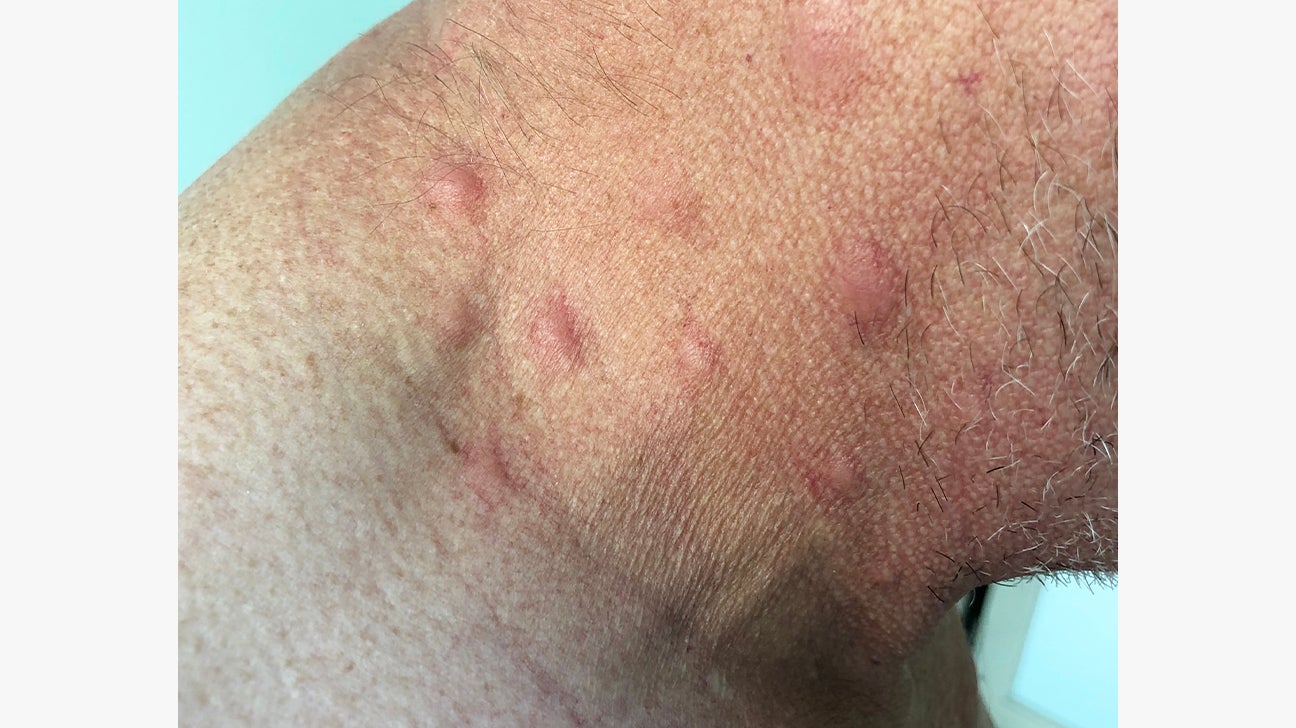
An HIV rash is typically a maculopapular rash that appears as flat, red areas covered with small bumps. It often affects the face and trunk.
When does an HIV rash occur?
It usually occurs within 2-4 weeks after being infected with the virus, as part of the acute retroviral syndrome stage.
How can I differentiate an HIV rash from other rashes?
While an HIV rash resembles other viral skin reactions, it is often accompanied by other flu-like symptoms and requires medical diagnosis for confirmation.
Is an HIV rash contagious?
The rash itself is not contagious but is a symptom of the underlying HIV infection, which can be transmitted through other means like blood and sexual contact.
For more detailed information on HIV treatment click here.
HIV rash is a common symptom that can occur in individuals who have been infected with the Human Immunodeficiency Virus (HIV). This type of rash typically presents itself as a red, flattened area on the skin covered with small, reddish bumps, and it can be itchy or painful. The rash often appears during the acute or primary stage of HIV infection, within two to four weeks after exposure to the virus, as the immune system responds to the infection. It usually manifests on the face and trunk but can also spread to the arms and legs. It’s important to note that not all rashes in HIV-positive individuals are directly attributable to the virus; they can also be a result of other infections or reactions to medications used in HIV treatment. Proper diagnosis by a healthcare professional is crucial to determine the cause and appropriate treatment for the rash, which can include topical treatments, antihistamines, or adjustments in medication regimens if drug reactions are involved.