

Understanding Tics: Unraveling the Complexities of Tic Disorders

Understanding Tics: An In-Depth Exploration
Tics are sudden, repetitive movements or sounds that individuals make unconsciously. They are experienced by many children and some adults, often beginning in childhood and commonly peaking in severity before gradually improving into adulthood. While they can be temporary and benign, in some cases, these involuntary actions can be persistent and interfere with daily life.
Types of Tics
Tics are categorized into two main types: motor and vocal. Motor tics involve movements, such as blinking, shrugging shoulders, or facial grimacing. Vocal tics, on the other hand, include sounds like throat clearing, grunting, or uttering words uncontrollably. These categories are further divided into simple and complex tics. Simple tics are brief and involve limited muscle groups, whereas complex ones are longer actions or phrases.
Causes and Triggers
The exact cause of tics is still being researched. However, studies suggest that they may be related to abnormalities in neurotransmitters, which are chemicals in the brain that transmit signals. Genetics appears to play a role too, as tics can often be observed in multiple family members. Environmental factors and stress can also exacerbate these involuntary actions, making them more frequent or severe. Additionally, certain medications and underlying health conditions can be contributing factors.
Diagnosis and Treatment
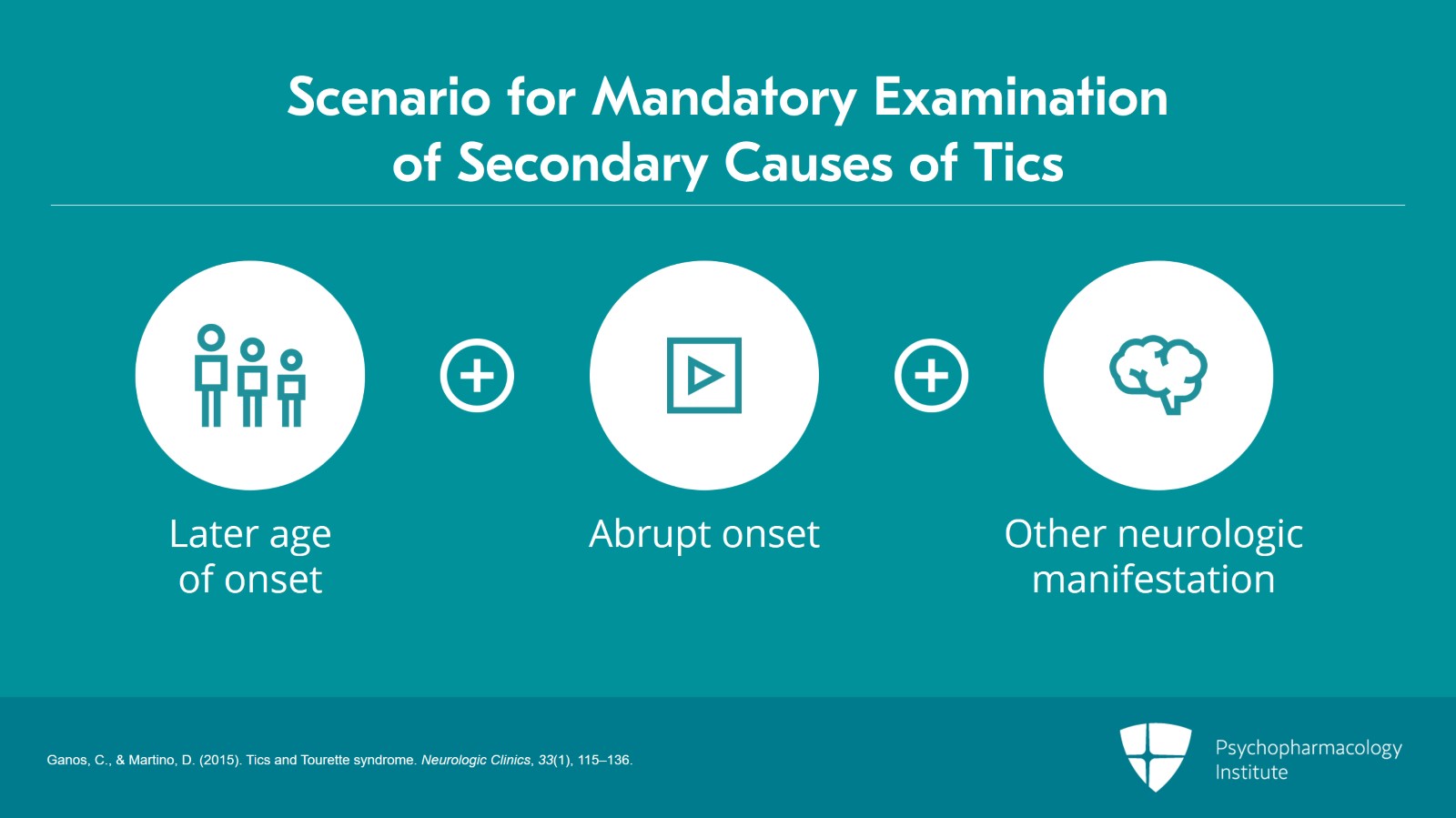
Getting a proper diagnosis is essential for those experiencing frequent or severe tics. A healthcare professional will assess the patterns and history of these actions. In some cases, neurological examinations are required to rule out other conditions. Treatment varies depending on the individual and the severity of the symptoms. Behavioral therapies such as Comprehensive Behavioral Intervention for Tics (CBIT) are often recommended. In some situations, medication may be prescribed to manage these symptoms. Lifestyle changes, reducing stress, and creating a supportive environment can also play a crucial role in managing tics.
Living with Tics
Living with tics requires understanding and patience, both from those who experience them and from those around them. Education about the condition helps to reduce stigma and enhance empathy. Building awareness among peers can lead to a more inclusive environment, reducing the psychological impact on individuals with this condition.
Conclusion
Tics, often misunderstood, are a complex neurological phenomenon that invites curiosity and requires compassion. Understanding the intricacies of these involuntary actions helps in managing them effectively. With appropriate knowledge, support, and treatment options, individuals with tics can lead fulfilling lives and contribute meaningfully to society.
BIG SALE | FAST SHIPPING
HOT PROMOTIONS!



FIERCE CLOMID 50MG 50CAPS

Original price was: $ 129.00.$ 119.00Current price is: $ 119.00.

CLOMIPHENE TABLETS 50mg 50 TABLETS FIERCE

Original price was: $ 99.00.$ 89.00Current price is: $ 89.00.

CYT 3 6MG | T3 | Yohimbe | Clen | Weight Loss Blend | 100 Tablets Total Kit 600mg

$ 69.00


FAQs about Tics
What are common triggers for tics?
Stress, anxiety, fatigue, and excitement are common triggers. Additionally, some research indicates that changes in weather or using certain medications might exacerbate them.
Are tics always permanent?
Not necessarily. Many children experience tics temporarily, with symptoms often diminishing significantly or disappearing completely in adulthood.
How can one differentiate between simple and complex tics?
Simple tics are brief, involving single muscle groups or sounds, like eye blinking or throat clearing. In contrast, complex tics are more coordinated patterns of movements or repeated words and phrases.
For more detailed information, you can check resources like the Tourette Association of America or articles on WebMD.
Understanding and addressing the needs of those with tics is crucial, and ongoing research continues to unravel the mysteries surrounding this condition.
Tics are sudden, repetitive, non-rhythmic movements or vocalizations that are generally involuntary, though they may be temporarily suppressed by the individual. They are often most prevalent in children and can vary in complexity, ranging from simple motor tics like eye blinking or grimacing to more complex vocal tics, such as repeating words or phrases. The most well-known condition associated with tics is Tourette Syndrome, a neurological disorder characterized by multiple motor and one or more vocal tics. While most tics are harmless, they can sometimes interfere with daily life or cause social discomfort, potentially impacting self-esteem or leading to anxiety. Treatment is not always necessary unless the tics cause significant distress or impairment, but behavioral therapy and medications are available to help manage more severe cases. Understanding and patience from family and peers can also significantly support individuals experiencing tics.