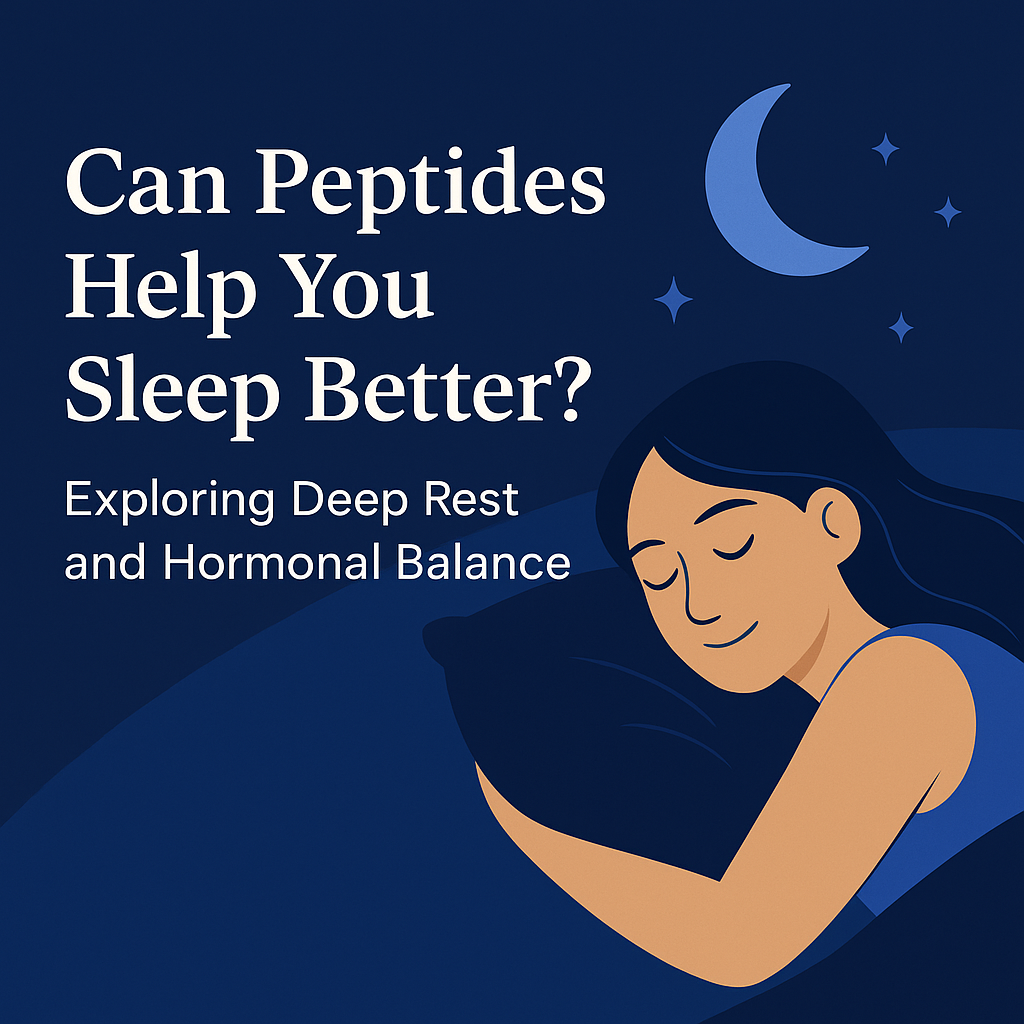
Unlocking Deep Rest: The Science Behind Delta Sleep Peptide
TABLE OF CONTENTS

Sleep is an essential component for maintaining overall health and wellness. One intriguing subject in the field of sleep research is delta sleep peptide (DSP), a naturally occurring compound believed to play a significant role in promoting deep, restorative sleep.
What is Delta Sleep Peptide?
Delta sleep peptide is a neuropeptide discovered in the 1970s, renowned for its potential to improve the quality of deep sleep, known as the delta phase. This phase is crucial for physical recovery, memory consolidation, and maintaining cognitive functions. As the body delves into the delta phase, delta sleep peptide helps regulate the sleep-wake cycle, promoting better rest and recuperation.
The Benefits of Delta Sleep Peptide
Studies suggest that delta sleep peptide might offer several benefits, particularly in enhancing sleep quality. These potential benefits include:
- Promoting Deep Sleep: Delta sleep peptide aids in transitioning the body into the delta phase of sleep, essential for physical and mental restoration.
- Improving Recovery: Adequate sleep enhances muscle recovery and immune function, making delta sleep peptide a topic of interest among athletes. Learn more about its impact on recovery at Ulaska.
- Reducing Stress and Anxiety: By supporting restorative sleep, delta sleep peptide may help alleviate stress and anxiety, contributing to overall mental well-being.
Mechanism of Action
Delta sleep peptide works by interacting with specific receptors in the brain that regulate the sleep cycle. By modulating these receptors, it encourages the body to enter and maintain the deep sleep phase. This intricate mechanism underscores the peptide’s potential benefits in insomnia and other sleep disturbances. Explore more on similar compounds at Steroid Planner.
Research and Applications
While research on delta sleep peptide is still evolving, it has sparked interest due to its promising implications for treating sleep disorders. Scientific studies continue to explore its potential therapeutic applications, aiming to validate and expand the understanding of its efficacy and safe usage. For more insights into ongoing research, visit John Doe Bodybuilding.
Conclusion
Delta sleep peptide emerges as a fascinating focal point in the discussion of sleep enhancement and recovery. Its ability to regulate sleep and improve the quality of the delta phase holds promise for individuals struggling with sleep-related issues. However, ongoing research is essential to fully understand its potential benefits and applications.
FREE SHIPPING
HOT PROMOTIONS!
BIG SALE | FAST SHIPPING
SOMATROPIN 100IU AXIOM HGH

Original price was: $ 299.00.$ 229.00Current price is: $ 229.00.




FAQs
What is delta sleep peptide used for?
Delta sleep peptide is primarily studied for its potential to improve the quality of deep sleep and aid in treating sleep disorders.
Are there any side effects of delta sleep peptide?
Since research is still emerging, understanding the full spectrum of possible side effects requires more detailed studies.
Where can I learn more about supplements and peptides?
For detailed insights into supplements and related compounds, you can visit Steroid.com for comprehensive resources.
How does delta sleep peptide differ from other sleep aids?
Unlike traditional sleep aids, delta sleep peptide may work by naturally enhancing the body’s ability to enter deep sleep without inducing sedation or drowsiness.
Delta sleep-inducing peptide (DSIP) is a small neuropeptide that has been studied for its potential role in sleep regulation, particularly in promoting slow-wave sleep, also known as delta sleep. Originally isolated from rabbit brain extracts, DSIP has intrigued researchers due to its influence on various physiological processes, including sleep modulation, stress response, and immune function. Despite its name, the peptide’s exact mechanisms and broader impacts on sleep architecture and overall health remain areas of active research, with questions about its therapeutic potential and application still to be fully answered.