Unlocking Health: How Plexus Products Are Transforming Wellness
TABLE OF CONTENTS

The term “plexus” refers to a complex network of interconnected elements. In human anatomy, it typically describes a network of nerves or vessels in the body. Plexuses play significant roles in delivering sensory and motor innervation to different parts of the body, facilitating both voluntary and involuntary actions.
Types of Plexus in the Human Body
There are several major plexuses in the human body, each serving distinct functions:
-
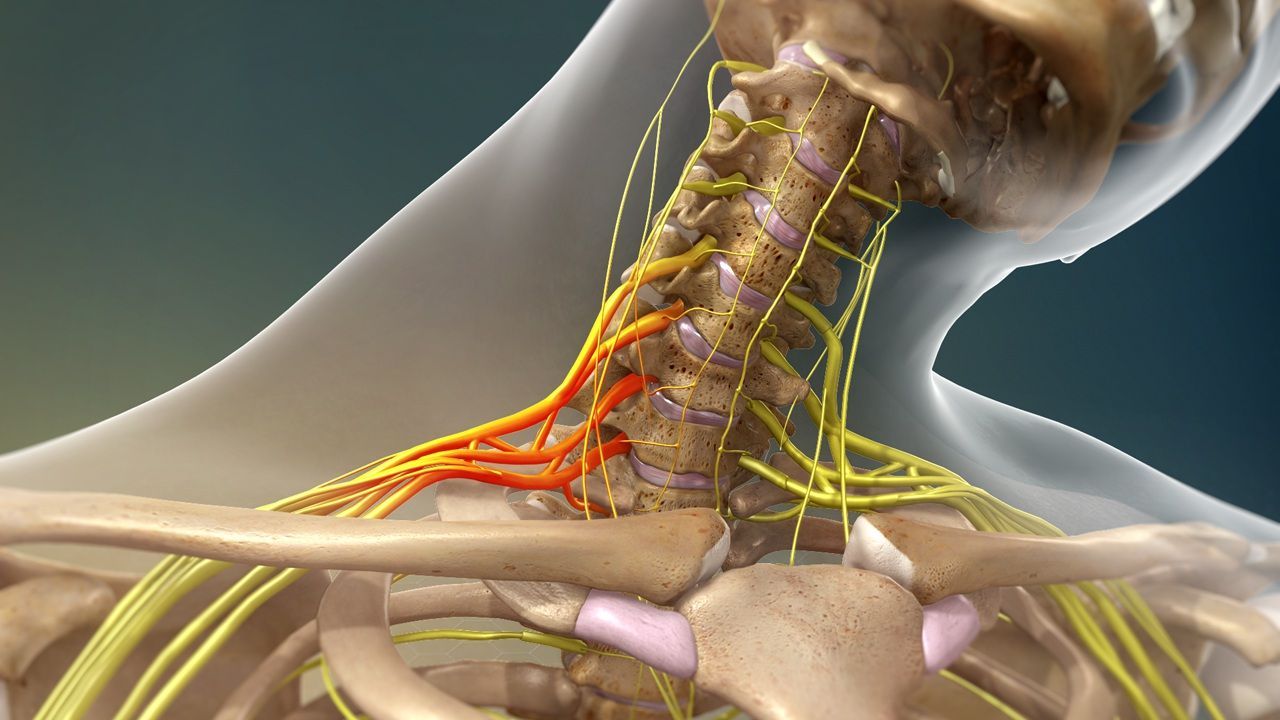
- Brachial Plexus: This network of nerves arises from the spinal cord in the neck, extending through the armpit, influencing the shoulders, arms, and hands.
-
- Lumbar Plexus: Located in the lower back, this plexus supplies nerve signals to the lower abdomen and parts of the legs.
-
- Sacral Plexus: Positioned at the base of the spine and extending into the legs, this plexus is crucial for leg and foot movement.
-
- Celiac Plexus: Also known as the solar plexus, it is found in the abdomen, playing a key role in the functioning of internal organs.
Functions and Importance of Plexus
Plexuses are vital for various body functions. The nerve plexuses ensure the transmission of signals from the brain to muscles and sensory signals back to the brain. This communication pathway allows for coordinated movements and reflex actions. Furthermore, vascular plexuses help maintain efficient blood circulation through redundant pathways, ensuring consistent supply and drainage.
The brachial plexus, for instance, is critical for controlling the muscles of the shoulder, arm, forearm, and hand, allowing for complex movements and dexterity. Damage to any plexus can result in significant impairments, illustrating their critical nature in daily functioning.
Conclusion
Plexuses are intricate networks essential for bodily operation, influencing both movement and internal organ function. Understanding their structure and roles offers insights into the complexity of human anatomy and the importance of maintaining their health.
FAQs about Plexus
1. What happens if a plexus is damaged?
Damage to a plexus can lead to loss of function in the related parts of the body. For example, brachial plexus injuries can cause weakness, numbness, or paralysis in the arm.
2. How can plexus injuries be treated?
Treatment varies depending on the severity of the injury, ranging from physical therapy and pain management to surgical intervention in severe cases. For more detailed information on potential treatments, you can visit Mayo Clinic and Healthline.
3. Are there exercises to strengthen the plexus?
Yes, physical therapy and specific exercises can help strengthen muscles and restore function, particularly after injury. Consulting with a healthcare professional is advisable to determine appropriate exercises.
BIG SALE | FAST SHIPPING
HOT PROMOTIONS!




FIERCE CLOMID 50MG 50CAPS

Original price was: $ 129.00.$ 119.00Current price is: $ 119.00.


Beligas 10ml Vial Testosterone NPP Blend 150mg

Original price was: $ 119.00.$ 99.00Current price is: $ 99.00.


The term “plexus” is often used in medical and anatomical contexts to describe a network or interwoven arrangement of nerves or vessels in the body. Notably, the nervous system contains several major plexuses, such as the brachial plexus, which supplies nerve signals to the shoulder, arm, and hand, and the cervical plexus, which serves the head, neck, and shoulders. In the circulatory system, vascular plexuses are networks of intertwining blood vessels ensuring efficient circulation. These plexuses play critical roles in coordinating function and facilitating communication between different body parts. Understanding the structure and function of various plexuses is essential in fields like neurology and surgery, as they are often involved in medical conditions or are key considerations in surgical approaches.