
Unlocking Potential: The Role of Nootropics in ADHD Management

Understanding ADHD and Nootropics: A broad clue
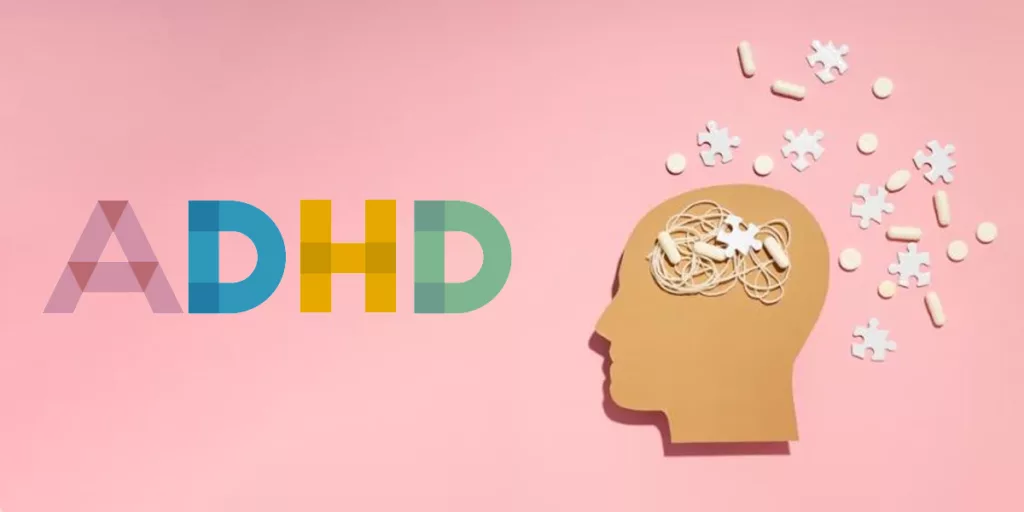
Attention deficit hyperactivity disorder, commonly known as ADHD, is a neurodevelopmental disorder that affects millions of children and adults worldwide. Characterized by symptoms such as inattentiveness, impulsivity, and hyperactivity, ADHD can significantly impact daily life and academic performance. As the quest for effective treatments continues, many individuals are exploring the potential benefits of nootropics, often referred to as “smart drugs” or cognitive enhancers.
What are Nootropics?
Nootropics are substances believed to enhance cognitive function, such as memory, creativity, and motivation, primarily in healthy individuals. They include a wide range of compounds, from naturally occurring herbs and supplements to synthetic drugs. The interest in nootropics has grown considerably, particularly among students and professionals looking to optimize their mental faculties and enhance productivity.
The Intersection of ADHD and Cognitive Enhancers
For those dealing with ADHD, the promise of nootropics as a complementary approach to traditional treatments is an enticing prospect. Some studies suggest that specific nootropics may help manage symptoms by improving focus, attention, and mental clarity. However, relying only on these substances without proper medical guidance can be risky.
The conventional treatment for ADHD typically involves stimulant medications like methylphenidate or amphetamines, which have been shown to improve concentration and control impulsive behavior. While nootropics are generally recognized for their cognitive-boosting abilities, their role in treating attention disorders remains debatable, as research is still in its nascent stages.
Potential Benefits and Risks
While cognitive enhancers could potentially mitigate certain symptoms of attention disorders, it’s crucial to approach their use with caution. Benefits may include enhanced focus, improved working memory, and increased motivation. Nonetheless, these benefits must be weighed against potential risks such as dependency, adverse reactions, or interactions with other medications.
Safety remains a primary concern, especially since the regulatory oversight of over-the-counter cognitive enhancers is often limited. Therefore, consulting a healthcare provider before integrating them into any treatment plan is essential source.
Conclusion: Harnessing the Power of Nootropics for ADHD
As the understanding of ADHD and nootropics evolves, these substances may become part of a multi-faceted approach to managing attention deficit hyperactivity disorder. While nootropics offer promising potential, they should be viewed as supplementary to conventional treatments, rather than replacements. Careful consideration and consultation with healthcare professionals are necessary to navigate the complexities of their use safely.
FAQs
Q: Can nootropics cure ADHD?
A: No, nootropics are not a cure for ADHD. They may help improve certain symptoms, but cannot replace conventional treatments prescribed by healthcare professionals.
Q: Are there any side effects?
A: Side effects can vary depending on the specific nootropic used. Some may cause headaches, digestive issues, or sleep disturbances.
Q: Do all cognitive enhancers require a prescription?
A: Not all nootropics require a prescription. However, prescription medications specifically for ADHD do, and it’s vital to consult a healthcare provider for guidance source.
For those considering the addition of nootropics to their regimen, it is crucial to do so with awareness and proper medical oversight. The journey through understanding ADHD treatment options is complex, and any new approach should be comprehensively evaluated to ensure safety and efficacy.
BIG SALE | FAST SHIPPING
HOT PROMOTIONS!


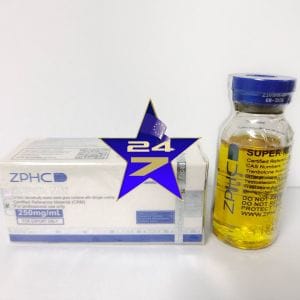
STADA MEGA CUTS BLEND 300 MG 10ML (TRENBOLONE)

Original price was: $ 129.00.$ 119.00Current price is: $ 119.00.
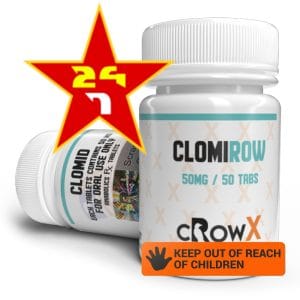
CROWX 👑 CLOMIROW 50 Mg / 50 Tabs ( Clomid )
Original price was: $ 79.00.$ 69.00Current price is: $ 69.00.



Attention Deficit Hyperactivity Disorder (ADHD) is a chronic condition that affects millions of people worldwide and is characterized by symptoms such as inattention, hyperactivity, and impulsiveness. While traditional medications like stimulants are commonly prescribed to manage ADHD, there’s a growing interest in the use of nootropics—substances believed to enhance cognitive functions like memory, focus, and creativity—as an alternative or complementary approach. Nootropics, often referred to as “smart drugs,” include natural supplements like L-theanine, omega-3 fatty acids, and ginkgo biloba, as well as synthetic compounds. Some proponents of nootropics argue that these substances can help improve concentration and reduce some of the cognitive challenges associated with ADHD, offering a gentler or more tailored intervention compared to conventional medications. However, the efficacy and safety of nootropics for ADHD remain an area of ongoing research, and individuals interested in exploring these options should do so under the guidance of a healthcare professional to ensure appropriate use and avoid possible interactions or side effects.