
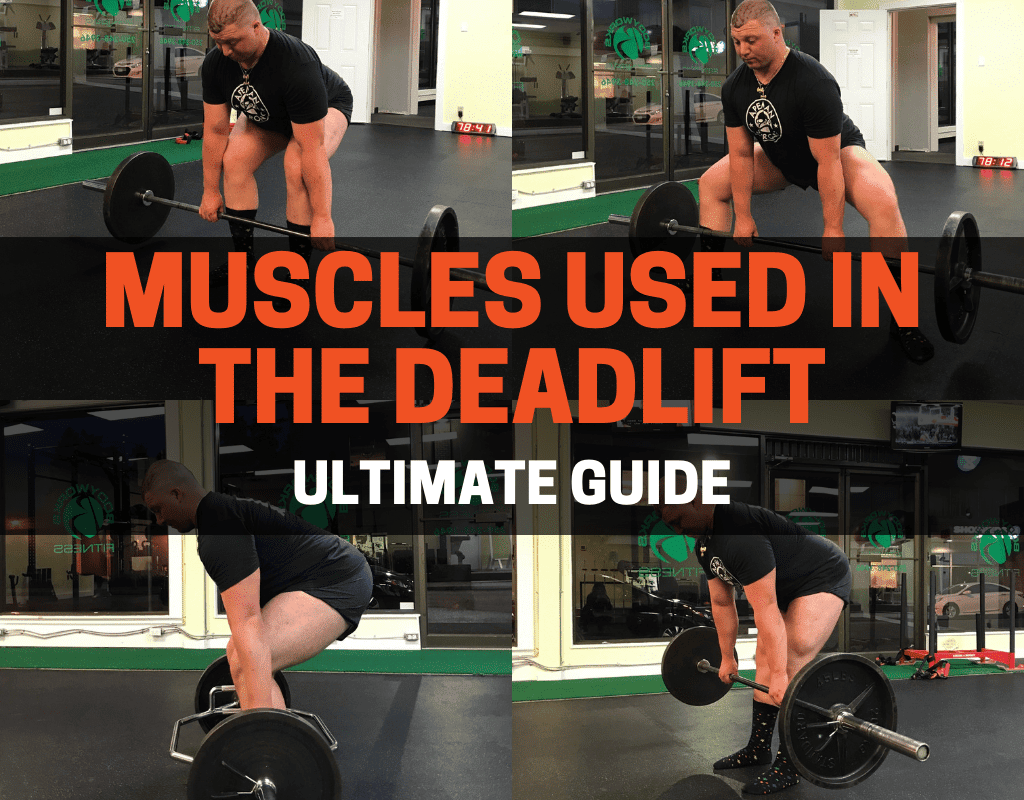
Unlocking Strength: Discover the Muscles Targeted by the Deadlift

Introduction
The deadlift is a cornerstone exercise in strength training, revered for its ability to engage multiple muscle groups simultaneously. Its efficacy in building strength and conditioning is why it remains a staple in workout routines worldwide. In this article, we will delve into which muscles are activated during this powerful exercise and explore the benefits it brings to your overall fitness regimen.
What Muscles Do Deadlifts Target?
Deadlifts primarily target the posterior chain, a group of muscles located on the backside of the body. This group is crucial for maintaining proper posture and reducing the risk of injuries during everyday activities.
Gluteus Maximus
The gluteus maximus is a significant player when executing a deadlift. It is one of the largest muscles in the body and is essential for hip extension movements, providing strength and power during the lift.
Hamstrings
The deadlift also heavily recruits the hamstrings, which are located at the back of the thighs. These muscles work synergistically to assist in hip extension and stabilize the knee joint during the exercise.
Erector Spinae
This group of muscles runs along the spine from the lower back up to the neck. The erector spinae muscles are critical for maintaining a strong back during the lift, preventing rounding and potential injury.
Core Muscles
A strong core is vital for stability and balanced strength, and deadlifts engage the core muscles effectively. The deep engagement of the rectus abdominis, obliques, and transverse abdominis during the lift ensures spinal support and balance.
Quadriceps
While the deadlift predominantly targets the posterior chain, the quadriceps are engaged too, especially when lifting heavier weights. The quads support knee extension and contribute to a balanced pull from the ground.
Trapezius and Grip Strength
The muscles of the upper back, including the trapezius, are activated, especially as the weight increases. Additionally, grip muscles are heavily worked, improving overall grip strength, which is essential for a firm hold on the bar.
Conclusion
Engaging in deadlifts within your training routine can provide comprehensive strength benefits due to its muscle recruitment efficiency. The activation of multiple muscle groups ensures a balanced workout, delivering functional strength improvements that are transferable to daily activities and athletic endeavors. By understanding which muscles the deadlift targets, you can optimize your form and results.
FAQs
Q: Can deadlifts help with back pain?
A: When performed with proper form, deadlifts can strengthen the muscles around the spine, potentially reducing back pain. However, consulting with a professional before starting is advised, especially if you have pre-existing conditions.
Q: How often should I incorporate deadlifts into my routine?
A: This depends on your experience level and fitness goals. Generally, performing them once or twice a week with adequate rest between sessions can be effective.
Q: Are there variations of the deadlift targeting different muscles?
A: Yes, variations such as sumo deadlifts, Romanian deadlifts, and stiff-legged deadlifts each target muscles differently and can add variety to your routine.
BIG SALE | FAST SHIPPING
HOT PROMOTIONS!






ZPHC UltraMix 10ml MultiUse Vial 1ml = 250mg

Original price was: $ 255.00.$ 179.00Current price is: $ 179.00.



The deadlift is a compound exercise that primarily targets the muscles of the posterior chain, playing a crucial role in building overall strength and muscle mass. At the forefront, the deadlift engages the gluteus maximus, hamstrings, and lower back muscles (erector spinae), which work in unison to extend the hips and spine during the lifting phase. Additionally, this exercise recruits the quadriceps as stabilizers when the knees extend, particularly at the beginning of the lift. The core muscles, including the abdominals and obliques, are activated to maintain stability and proper posture throughout the movement. The upper back, particularly the trapezius and rhomboids, are also engaged to keep the shoulders in a retracted position, while the forearms and grip strength are tested through gripping the bar. This multifaceted workout not only enhances muscular development but also improves functional strength and coordination, making it a staple in strength training routines.