

Unlocking the Secrets of TUDCA: The Liver Health Supplement

In the ever-evolving landscape of dietary supplements and health boosters, one compound has drawn significant attention: TUDCA. The acronym stands for Tauroursodeoxycholic Acid, a bile acid derivative with wide-ranging potential benefits. With increasing interest in its functions and uses, it’s essential to delve into its mechanics, benefits, and potential applications.
What is TUDCA?
TUDCA is a water-soluble bile salt naturally found in the body. It plays a critical role in the digestion and absorption of fats and oils, working in conjunction with other bile acids produced by the liver. Historically, it has been used in traditional Chinese medicine for treating ailments related to the liver and gallbladder.
The Mechanism of TUDCA
Derived from ursodeoxycholic acid (UDCA), TUDCA is more efficient due to its solubility, which enhances its distribution through the bloodstream. Its primary action lies in its ability to protect cells from stress and inflammation, offering resilience against damage in liver cells and throughout the body.
Health Benefits of TUDCA
The most significant evidence supporting TUDCA revolves around liver health. It is renowned for its ability to counteract bile acid toxicity and improve liver function. By preventing liver cell death, TUDCA supports overall health and aids in the treatment of various liver diseases.
Another critical function is its neuroprotective qualities. Possessing the ability to cross the blood-brain barrier, TUDCA shows promise in mitigating conditions that involve brain degeneration. Research indicates potential benefits in disorders such as Alzheimer’s, Parkinson’s, and Huntington’s disease.
Application and Dosage
TUDCA’s role extends beyond just liver protection and neuroprotection. Athletes and bodybuilders often leverage its benefits to improve bile flow and reduce toxin levels, aiding in overall physical performance.
While the general dosage varies based on individual needs and conditions, a typical recommendation ranges from 250 mg to 1500 mg per day. As a supplement, it is predominantly found in capsules and should be taken alongside fat-containing meals for optimal absorption.
Potential Side Effects
TUDCA is generally well-tolerated; however, some individuals might experience mild gastrointestinal discomfort. It’s crucial for those considering its use to consult a healthcare provider, particularly if they have existing health issues or are on medication.
Conclusion
TUDCA has emerged as a promising compound with multifaceted health benefits, especially concerning liver and brain health. Its ability to protect cells from stress and promote cell survival adds a valuable tool to the world of health supplements. For anyone interested in leveraging such benefits, understanding the compound’s dynamics is vital.
Frequently Asked Questions
What is TUDCA primarily used for?
TUDCA is mainly known for its liver-protective properties but also shows potential in neuroprotection and enhancing cellular resilience.
Can TUDCA help with neurological conditions?
Yes, due to its ability to cross the blood-brain barrier and protect brain cells, TUDCA is being researched for its potential benefits in neurological conditions.
How should TUDCA be taken for the best results?
TUDCA supplements should ideally be taken with meals containing fats to enhance absorption and efficacy.
Are there any known interactions with other drugs?
Consulting a healthcare provider is advisable, as TUDCA could potentially interact with other medications or underlying health conditions.
Where can I buy TUDCA?
TUDCA supplements are widely available online and in health food stores. It’s important to choose reputable brands (Shop TUDCA Supplements) to ensure quality. For more detailed product options, check out Wiley Online Library.
BIG SALE | FAST SHIPPING
HOT PROMOTIONS!
ZPHC Clomid Clomiphene 25mg/tablet | 100 Tablets Total: 2500mg
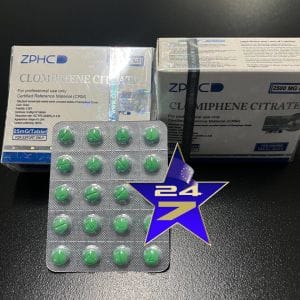
Original price was: $ 159.00.$ 65.00Current price is: $ 65.00.
Fierce nandrolone decanoate 300 / ml 10ml
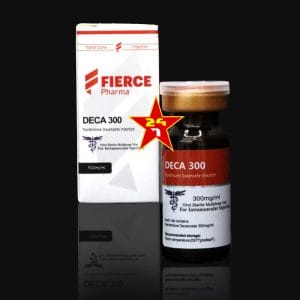
Original price was: $ 131.00.$ 119.00Current price is: $ 119.00.
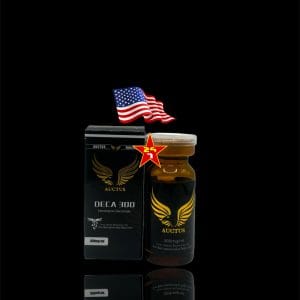

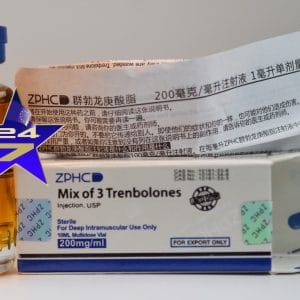
Beligas 10ml Vial Testosterone NPP Blend 150mg

Original price was: $ 119.00.$ 99.00Current price is: $ 99.00.

TUDCA, or Tauroursodeoxycholic acid, is a bile acid derivative that has gained attention for its therapeutic potential in various medical fields. Originally researched for its benefits in improving liver function due to its ability to facilitate bile flow and reduce liver enzyme levels, TUDCA has also been explored extensively for its neuroprotective properties. It is known to counteract the effects of endoplasmic reticulum stress, thereby potentially aiding in the management of conditions like amyotrophic lateral sclerosis (ALS), Parkinson’s disease, and Alzheimer’s disease. Additionally, due to its anti-apoptotic and antioxidant capabilities, TUDCA is being studied for its applications in treating metabolic disorders, eye diseases, and even cardiovascular issues. Its multifaceted benefits make it a promising candidate in both clinical and non-clinical settings, although further research is needed to fully understand the breadth of its therapeutic effects and potential side effects.