Unlocking the Secrets to Sculpted Forearms
TABLE OF CONTENTS

The forearms are a crucial part of the body, often overlooked in the pursuit of overall strength and fitness. Understanding the structure, function, and potential exercises for this area can significantly enhance your fitness regime, aiding in both the aesthetics and functionality of arm movements.
Understanding the Role of Forearms
Forearms consist of a complex network of muscles, tendons, and bones that facilitate a wide range of movements. These include grip strength, wrist rotation, and finger movements. The importance of forearm strength becomes evident in everyday tasks, such as holding heavy objects, playing sports, and performing various kinds of manual labor.
Exercises to Develop Forearm Strength
There are several effective exercises specifically targeting forearm muscles. Wrist curls, reverse wrist curls, and farmer’s walks are excellent for developing this muscle group. These exercises not only improve muscular endurance and grip strength but are also beneficial for injury prevention. Incorporating a range of resistance and grip tools, like hand grippers and barbell plates, can provide dynamic ways to engage these muscles.
Maintaining Forearm Health
It’s important to balance workouts with proper rest and recovery techniques to prevent forearm injuries or strains. Stretching the wrist and forearm muscles before and after workouts helps in maintaining flexibility and reducing strain. Applying proper ergonomics during daily activities and ensuring a good posture can significantly reduce the risk of chronic conditions such as carpal tunnel syndrome.
Conclusion
Focusing on forearm development is beneficial not only for lifting aesthetics but also for practical strength and dexterity in day-to-day life. Implementing specific exercises, maintaining a regular stretching routine, and practicing good ergonomic habits are all effective strategies for enhancing forearm health and function. By doing so, you can ensure these essential muscles remain strong and versatile as part of your overall fitness strategy.
FAQs
Q: How often should I train my forearms?
A: It’s generally recommended to include forearm exercises 2-3 times a week within your routine to see significant improvements without overexertion.
Q: Are there specific sports that benefit from strong forearms?
A: Yes, sports such as rock climbing, tennis, and weightlifting heavily rely on robust forearm strength for optimal performance.
Q: Can neglecting forearm workouts lead to issues?
A: Yes, inadequate focus on forearm training can result in a weak grip and increase the chance of wrist or elbow injuries.
Q: What are the signs of overtraining the forearms?
A: Symptoms of overtraining include prolonged soreness, wrist pain, a decrease in grip strength, and reduced performance in workouts.
BIG SALE | FAST SHIPPING
HOT PROMOTIONS!
STADA MEGA CUTS BLEND 300 MG 10ML (TRENBOLONE)
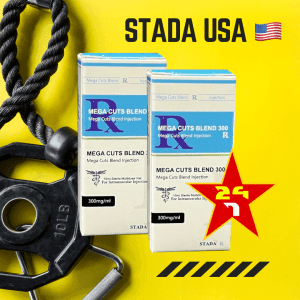
Original price was: $ 129.00.$ 119.00Current price is: $ 119.00.



ZPHC Clomid Clomiphene 25mg/tablet | 100 Tablets Total: 2500mg

Original price was: $ 159.00.$ 65.00Current price is: $ 65.00.
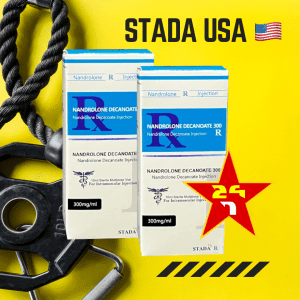
Fierce nandrolone decanoate 300 / ml 10ml

Original price was: $ 131.00.$ 119.00Current price is: $ 119.00.



The forearms, comprising the region between the elbow and the wrist, play a crucial role in the overall dexterity and strength of the upper limbs. They house a complex arrangement of muscles, tendons, nerves, and blood vessels, all of which contribute to their functionality. The primary muscles in the forearm include the flexors and extensors, which facilitate a range of movements such as gripping, lifting, and manipulating objects with precision. Additionally, the forearm muscles aid in movements of the wrist and fingers, allowing for intricate tasks like typing or playing musical instruments. Due to their constant involvement in daily activities, maintaining the strength and flexibility of the forearms is essential for minimizing the risk of repetitive strain injuries, such as tendinitis. Exercises such as wrist curls, reverse curls, and grip training are often recommended to enhance forearm strength, endurance, and overall upper body function.