

Unpacking the Price: The Factors Behind Primobolan’s High Cost

Primobolan, known scientifically as Methenolone, is a popular anabolic steroid among bodybuilders and athletes. It is renowned for its ability to build muscle while minimizing fat gain, making it a desirable choice for cutting cycles. However, Primobolan’s hefty price tag often leaves many potential users questioning, “Why is Primobolan so expensive?” Several factors contribute to its high cost, ranging from production difficulties to market demand and legal considerations.
The Complex Manufacturing Process
One of the primary reasons behind Primobolan’s high price is its complex production process. The manufacturing of Primobolan requires sophisticated technology and strict adherence to precise chemical reactions, making it more expensive to produce compared to other anabolic steroids. These technical challenges not only increase production costs but also limit the number of manufacturers capable of producing genuine Primobolan.
High Demand and Limited Supply
Another significant factor is the high demand juxtaposed with a limited supply. Users often prefer Primobolan for its efficacy and relative safety, further increasing its demand in the market. Unfortunately, due to the stringent production requirements, the supply does not always adequately meet the demand, subsequently driving up the price.
Legal Restrictions
Legal considerations also play a critical role in determining the cost of Primobolan. In many regions, anabolic steroids are subject to tight regulations, making them illegal to sell or possess without a prescription. These legal hurdles restrict legal access to Primobolan, forcing many users to rely on black market purchases where prices are typically inflated.
Scarcity of Raw Materials
The scarcity of high-quality raw materials necessary for the production of Primobolan is another factor contributing to its expense. Manufacturers invest heavily in sourcing authentic and pure raw materials to ensure product effectiveness and safety. This investment adds significant costs which are ultimately passed on to the consumer, further elucidating why Primobolan is expensive.
Conclusion
In conclusion, several elements come into play when considering why Primobolan carries a steep price tag. From the complexities of production to demand and legal constraints, all these factors interweave to explain the premium cost associated with this anabolic steroid. Understanding these aspects can help users make more informed decisions regarding its use and purchase.
FAQs
What makes Primobolan different from other steroids?
Primobolan is known for its ability to promote lean muscle gain while minimizing water retention and fat accumulation, making it unique among anabolic steroids. It is often considered a safer choice for athletes focusing on cutting cycles.
Is it legal to buy Primobolan?
The legality of purchasing Primobolan varies by country. In some places, it is illegal without a prescription. Users are advised to familiarize themselves with their local laws regarding anabolic steroids.
Are there alternatives to Primobolan?
Yes, there are several legal and natural alternatives available that aim to mimic the effects of Primobolan. These supplements typically contain natural ingredients designed to boost muscle growth and reduce fat.
BIG SALE | FAST SHIPPING
HOT PROMOTIONS!


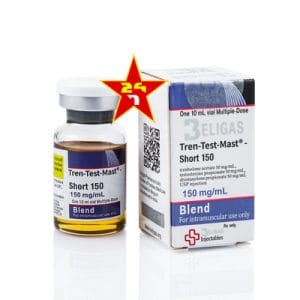
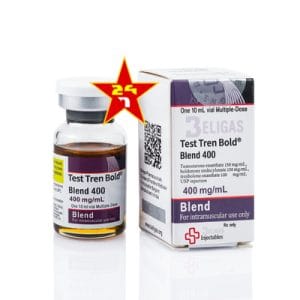
Fierce nandrolone decanoate 300 / ml 10ml
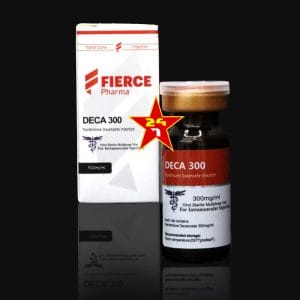
Original price was: $ 131.00.$ 119.00Current price is: $ 119.00.
Beligas 10ml Vial Testosterone NPP Blend 150mg

Original price was: $ 119.00.$ 99.00Current price is: $ 99.00.
Primobolan, known chemically as methenolone, is often one of the more expensive anabolic steroids on the market due to several factors. First, its synthesis is complex and costly, requiring intricate manufacturing processes that adhere to high standards of quality and purity, often resulting in higher production costs. Additionally, Primobolan is often sought after for its reputation of offering mild anabolic effects with relatively low androgenic side effects, making it particularly appealing to those interested in muscle retention and mild strength gains without the more severe side effects associated with other steroids. This increased demand among athletes and bodybuilders, coupled with its limited availability—often due to stringent regulations and legal restrictions in many countries—further drives up its price. Lastly, the illicit nature of its trade often exacerbates its cost due to the risks involved in its distribution and acquisition, leading to inflated prices on the black market.