

Unseen Invaders: A Close Look at What Lice Really Look Like

Lice are tiny, wingless parasitic insects that thrive by feeding on human blood. They are notoriously known for causing infestations that can lead to itching and discomfort. A common question among those who encounter these pests is, “What do a lice look like?” This article aims to provide detailed insights into their physical characteristics, lifecycle, and how to identify them.
What Do Adult Lice Look Like?
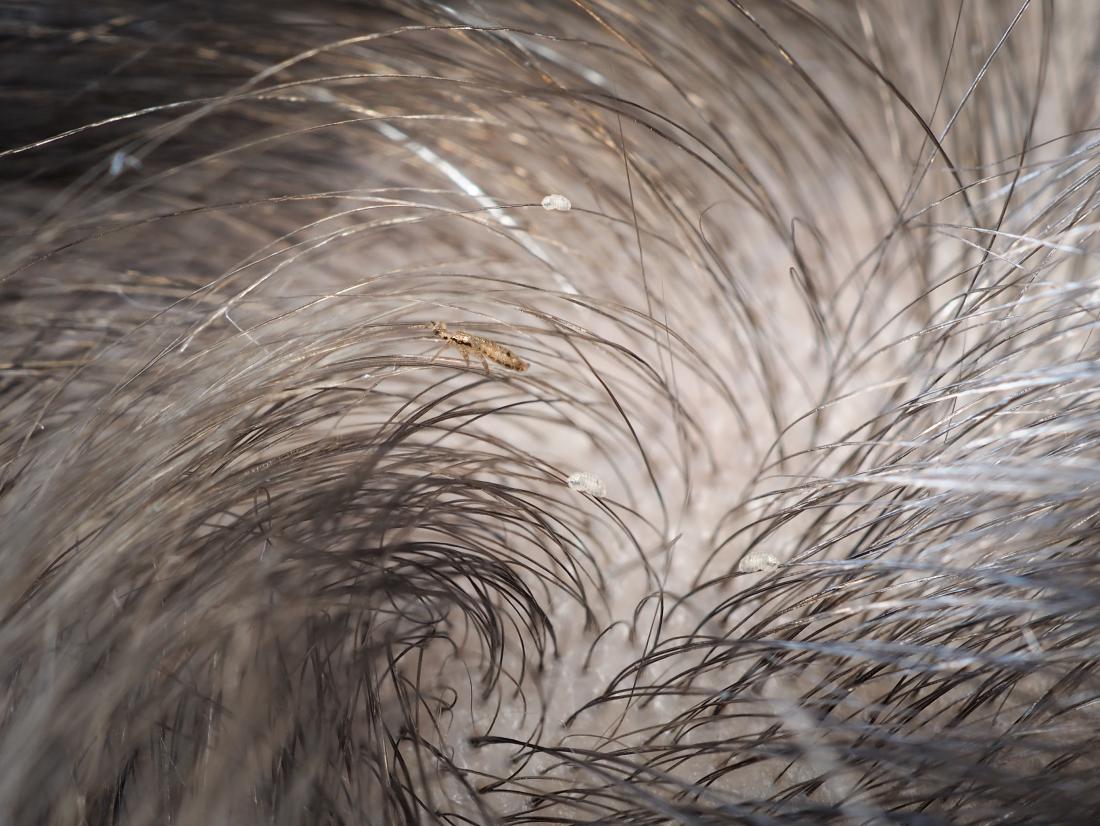
Adult lice are small but visible to the naked eye. They typically measure between 2 to 3 millimeters in length, which is roughly the size of a sesame seed. Their bodies are elongated and flattened, making it easy for them to navigate through hair strands. These pests are usually tan to grayish-white in color, though this can vary depending on factors like the surrounding environment and the host’s hair color.
Lice have six legs equipped with claws specifically designed to cling onto hair shafts. Despite having no wings, their legs enable them to move rapidly, facilitating easy transfer from one host to another.
What Do Lice Eggs (Nits) Look Like?
The eggs laid by lice, known as nits, are often confused with dandruff or hair spray droplets. Nits are oval and typically measure about 0.8 millimeters in length. They have a distinct yellow or white coloration and are securely cemented to the hair shaft, usually close to the scalp where warmth ensures their optimal development. Unlike flakes of dandruff, nits are challenging to remove due to their adhesive properties.
How to Detect a Lice Infestation
Detecting lice involves looking for both lice and their eggs. Start by inspecting the scalp, particularly around the ears and near the nape of the neck, as these areas offer ideal warmth for lice to thrive. Using a fine-toothed comb can aid in the detection process, as it separates the hair strands and exposes lice or nits more effectively. It’s also essential to check for any scratches or bumps on the scalp, which may indicate intense itching due to an infestation.
The Lifespan and Lifecycle of Lice
Understanding lice requires knowledge of their lifecycle. Lice undergo three primary stages: egg, nymph, and adult. The eggs hatch into nymphs after about a week and require another week to mature into adults. Adult lice can live up to 30 days on a human host, feeding several times a day. Without access to blood, adult lice cannot survive for more than 48 hours.
Conclusion
In conclusion, recognizing what lice and their nits look like is crucial for diagnosing and addressing infestations promptly. While these pests pose minimal health risks, the discomfort they cause warrants immediate attention and action. Regular hair checks and prompt treatment can effectively manage and eliminate lice.
Frequently Asked Questions
How can I prevent lice infestations?
Regular inspections, avoiding sharing personal items like combs, hats, and towels, and maintaining good hygiene are effective preventive measures.
What is the best way to treat an infestation?
Over-the-counter treatments, prescription medications, or natural remedies like tea tree oil can be effective. Always follow instructions carefully and consider consulting a healthcare professional for severe cases.
Is it possible for lice to fly or jump?
No, lice cannot fly or jump. They spread through direct contact with an infested person’s hair or personal items.
BIG SALE | FAST SHIPPING
HOT PROMOTIONS!





CLOMID 50MG FIERCE 50 TABLETS

Original price was: $ 129.00.$ 119.00Current price is: $ 119.00.
ZPHC UltraMix 1ml amps x 10 amps - 1ml = 250mg

Original price was: $ 259.00.$ 179.00Current price is: $ 179.00.
ZPHC UltraMix 10ml MultiUse Vial 1ml = 250mg

Original price was: $ 255.00.$ 179.00Current price is: $ 179.00.

For further reading on lice management, you can visit CDC’s page on lice or explore more on Mayo Clinic’s guide.
Lice are small, wingless insects that are parasitic and typically live on the skin of humans or animals. They have six legs, each ending in a claw that helps them grip tightly to hair shafts or feathers. Adult lice are usually about 2-4 millimeters in length, although their size can vary depending on the species. Their bodies are flattened and elongate, which allows them to move easily along the surface of the skin. Lice have a pale, tan to grayish color, but they can appear darker after feeding on blood. They possess small, specialized mouthparts designed for piercing skin and sucking blood. Despite their diminutive size, lice can cause significant irritation and discomfort due to their biting, which often leads to itching and potential skin infections.