Unveiling the Secrets of the Sodium-Potassium Pump
TABLE OF CONTENTS

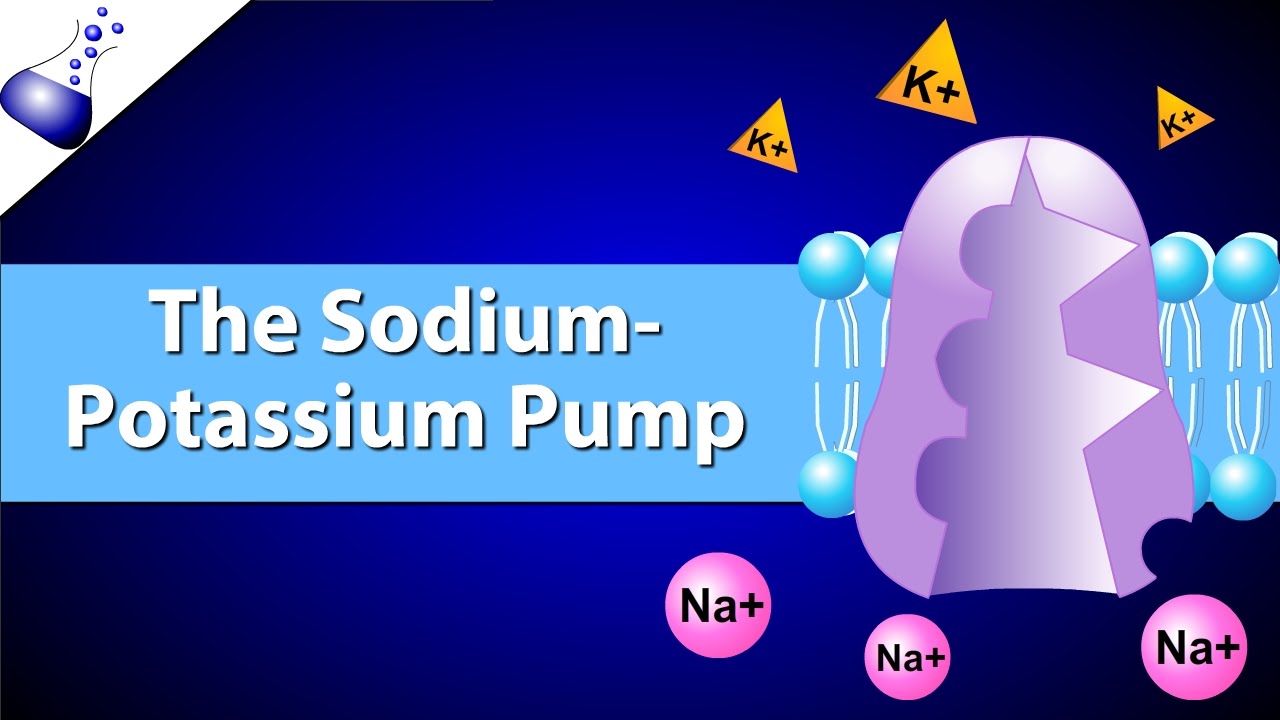
The sodium-potassium pump, scientifically known as the Na+/K+ pump, plays a crucial role in maintaining cellular function by regulating ion balance within cells. This protein complex is integral to numerous physiological processes, ensuring that cells function optimally. In this article, we’ll delve into the dynamics of the sodium-potassium pump, its biological significance, and its broader implications. Additionally, we will provide a conclusion and FAQs section to address common inquiries about this essential cellular component.
How the Sodium-Potassium Pump Works
The sodium-potassium pump is an active transport mechanism powered by ATP (adenosine triphosphate), responsible for moving ions across the cell membrane. Specifically, it pumps three sodium ions out of the cell and two potassium ions into the cell per cycle. This ion exchange is critical for maintaining the electrochemical gradient, which is vital for numerous cellular functions, including nerve impulse transmission, muscle contraction, and maintaining fluid balance.
This pump is composed of two main subunits: the alpha subunit, which is responsible for the ion transport and ATPase activity, and the beta subunit, which stabilizes the alpha subunit and aids in the proper membrane integration of the pump.
Biological Importance of the Sodium-Potassium Pump
The sodium-potassium pump contributes significantly to cellular homeostasis. Its most notable roles include:
- Maintaining Resting Membrane Potential: The pump helps establish and maintain the resting potential across the cell membrane, crucial for nerve impulse propagation and muscle contraction.
- Regulating Cell Volume: By controlling ion concentrations inside and outside the cell, the pump helps prevent excessive water influx, which could lead to cell swelling and potential rupture.
- Facilitating Nutrient Absorption: The operation of the sodium-potassium pump creates an electrochemical gradient that assists in the transport of nutrients like glucose and amino acids into the cell via secondary active transport mechanisms.
Beyond Basic Biology: Implications and Applications
Understanding the sodium-potassium pump extends beyond basic cellular biology. It has significant medical implications, particularly regarding cardiovascular health and neurological disorders. For instance, cardiac glycosides, a class of heart medications, exert their effects by inhibiting this pump, leading to increased intracellular calcium concentration and enhanced cardiac contractility.
Additionally, research continues to explore the pump’s role in pathologies like hypertension, heart failure, and some neurological disorders, suggesting potential therapeutic avenues source.
Conclusion
The sodium-potassium pump is a pivotal component of cellular physiology, maintaining essential ion gradients that uphold numerous physiological processes. Its intricacies and implications highlight its importance in both health and disease. As research advances, the deeper understanding of this pump may unlock innovative treatments for various medical conditions.
FAQs
What is the primary function of the sodium-potassium pump?
The primary function of the sodium-potassium pump is to maintain the electrochemical gradient across the cell membrane by actively transporting sodium out of the cell and potassium into the cell.
The pump maintains the resting membrane potential, enabling nerve cells to generate and propagate electrical signals, which is essential for nerve function.
Can malfunctions in the sodium-potassium pump cause diseases?
Yes, malfunctions in the pump can lead to various disorders, including cardiac issues and neurological diseases, as its proper function is critical for cellular homeostasis.
Why is ATP necessary for the sodium-potassium pump?
ATP provides the energy required for the active transport of ions against their concentration gradients, which is a fundamental characteristic of the pump’s operation source.
BIG SALE | FAST SHIPPING
HOT PROMOTIONS!
ZPHC Clomid Clomiphene 25mg/tablet | 100 Tablets Total: 2500mg
Original price was: $ 159.00.$ 65.00Current price is: $ 65.00.

FIERCE CLOMID 50MG 50CAPS
Original price was: $ 129.00.$ 119.00Current price is: $ 119.00.
ZPHC UltraMix 10ml MultiUse Vial 1ml = 250mg

Original price was: $ 255.00.$ 179.00Current price is: $ 179.00.
CLOMIPHENE TABLETS 50mg 50 TABLETS FIERCE

Original price was: $ 99.00.$ 89.00Current price is: $ 89.00.

STADA MEGA CUTS BLEND 300 MG 10ML (TRENBOLONE)

Original price was: $ 129.00.$ 119.00Current price is: $ 119.00.

The sodium-potassium pump, also known as the Na+/K+ ATPase, is a vital membrane-bound enzyme that plays a crucial role in maintaining the electrochemical gradients across the cell membrane. This active transport system uses ATP to move three sodium ions out of the cell and two potassium ions into the cell, against their respective concentration gradients. This action helps regulate cell volume, contributes to the resting membrane potential, and is essential for nerve impulse transmission and muscle contraction. By maintaining a higher concentration of sodium ions outside the cell and a higher concentration of potassium ions inside, the pump is fundamental to various physiological processes, including nutrient absorption and cellular homeostasis. Its activity is also crucial in the functioning of tissues such as nerve and muscle, where changes in ion gradients directly influence excitability and responsiveness.