What did zyzz die of
TABLE OF CONTENTS

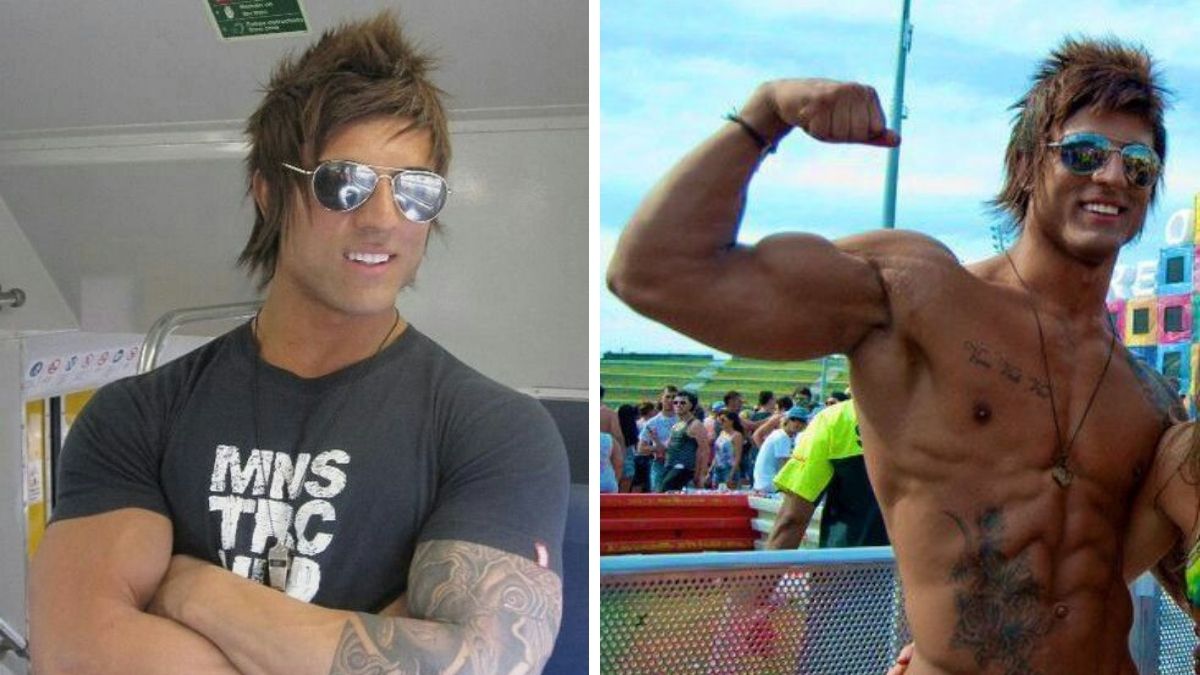
Zyzz, born Aziz Sergeyevich Shavershian, was a renowned figure in the bodybuilding community. Known for his chiseled physique, charismatic personality, and unique approach to fitness, Zyzz quickly rose to fame through social media platforms. However, his life was tragically cut short, leaving his fans and followers questioning: what did Zyzz die of?
Understanding Zyzz’s Rise to Fame
Zyzz’s journey began in Australia where he used his passion for bodybuilding to inspire a global audience. He became well-known for promoting the “aesthetic” lifestyle, which focused on achieving both physical excellence and personal happiness. His motivational videos and Instagram posts showcased not only his workout routines but also his philosophy on life.
The Day Zyzz Passed Away
August 5, 2011, marked the end of an era for Zyzz’s legion of fans when news broke that he had died at just 22 years old. But the real question on everyone’s mind was: what did Zyzz die of? He was in Bangkok, Thailand, taking a vacation when the tragedy occurred.
Investigating: What Did Zyzz Die Of?
Reports indicated that Zyzz died of a heart attack. The medical examination suggested that a congenital heart defect, exacerbated by his lifestyle choices, was at the root of the problem. Zyzz’s death was attributed primarily to an undiagnosed heart condition that impaired his heart’s capability to function under certain pressures.
It is believed that excessive supplementation and the pressures of maintaining an elite bodybuilding physique may have contributed to his condition. The heat and stress from travel could have further aggravated his underlying health issues, ultimately leading to a fatal heart attack.
Legacy of Zyzz
Zyzz’s sudden death sent shockwaves through the fitness community. The online forums were flooded with condolences, and numerous online pages were dedicated to commemorating his legacy. His life serves as a cautionary tale about the potential hidden risks associated with extreme bodybuilding and fitness regimens.
Conclusion
Zyzz’s death underscored the importance of understanding one’s body and the potential consequences of pushing physical limits without proper medical consultation. His journey, although sadly short-lived, continues to inspire thousands to pursue bodybuilding, albeit with more caution toward health and wellness. The phrase “what did Zyzz die of,” while crucial to understanding his story, should also remind us of the importance of looking after our long-term well-being.
FAQs
-
- Who was Zyzz? Aziz “Zyzz” Shavershian was a popular bodybuilder and social media influencer known for promoting an aesthetic lifestyle focused on fitness and happiness.
- How did Zyzz die? Zyzz died of a heart attack, linked to an undiagnosed congenital heart defect, exacerbated by his bodybuilding lifestyle.
- Where did Zyzz die? Zyzz passed away in Bangkok, Thailand, while on vacation in 2011.
- Has Zyzz’s death changed views on bodybuilding? Yes, his untimely death has led many in the fitness community to re-evaluate the balance between fitness, supplementation, and health.
BIG SALE | FAST SHIPPING
HOT PROMOTIONS!


FIERCE CLOMID 50MG 50CAPS
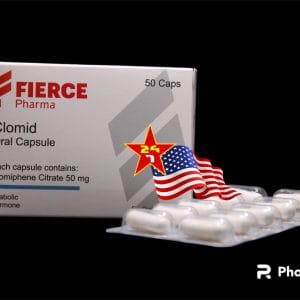
Original price was: $ 129.00.$ 119.00Current price is: $ 119.00.

CYT 3 6MG | T3 | Yohimbe | Clen | Weight Loss Blend | 100 Tablets Total Kit 600mg
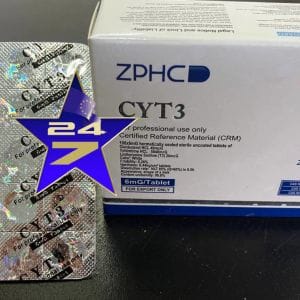
$ 69.00
Beligas 10ml Vial Testosterone NPP Blend 150mg

Original price was: $ 119.00.$ 99.00Current price is: $ 99.00.

ZPHC Clomid Clomiphene 25mg/tablet | 100 Tablets Total: 2500mg

Original price was: $ 159.00.$ 65.00Current price is: $ 65.00.
Hashtags: #Bodybuilding #Bodybuildingmotivation #Powerlifting #Bodybuilder #Heavyweightlifting #Workoutathome #stayfit #bodybuilding
This article provides an overview of Zyzz’s life, his unfortunate death, and its impact on the bodybuilding community, along with a focus on health and wellness.
Aziz Shavershian, widely known by his online persona “Zyzz,” was a prominent Australian bodybuilder, model, and internet personality who tragically passed away on August 5, 2011. Zyzz died of a heart attack while on holiday in Bangkok, Thailand, at the age of 22. It was later reported that his family had a history of heart conditions, which may have contributed to his untimely death. Additionally, there was widespread speculation regarding his use of anabolic steroids, which could have exacerbated underlying health issues. Zyzz’s death sent shockwaves through the fitness community and his massive online following, highlighting risks associated with extreme bodybuilding and the potential consequences of performance-enhancing substances.