What is The Science Behind Fatty Acid Anabolism
TABLE OF CONTENTS

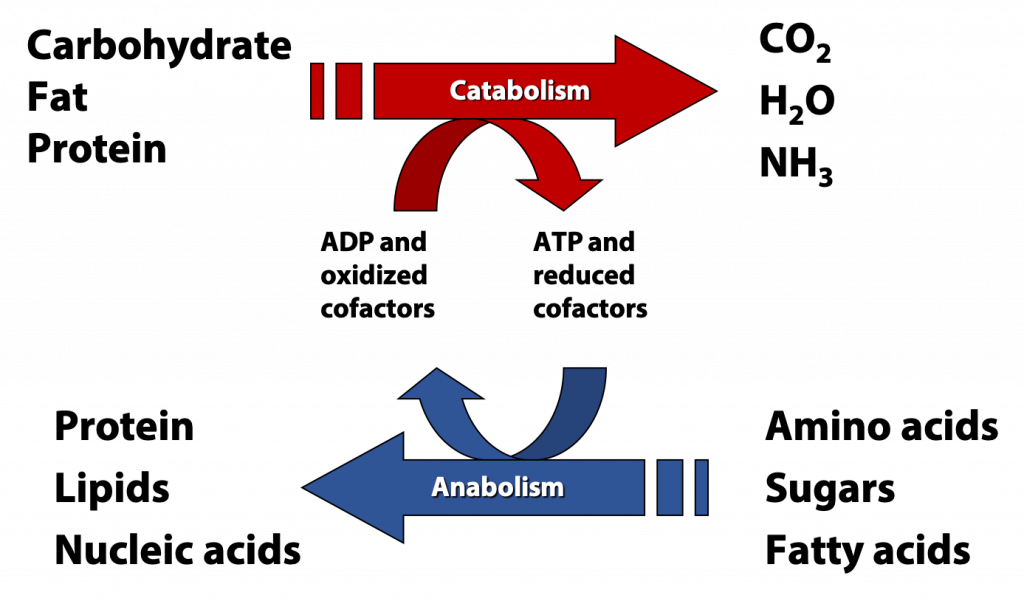
Fatty acid anabolism is a vital metabolic pathway that plays a fundamental role in the biosynthesis of fatty acids, essential components of cellular membranes, energy storage, and signaling molecules. Understanding this complex process is crucial for appreciating how organisms manage energy and maintain cellular functions. This article delves into the mechanisms of fatty acid anabolism, its regulation, and its biological significance.
The Fundamentals of Fatty Acid Anabolism
Fatty acid anabolism, also known as lipogenesis, primarily takes place in the liver and adipose tissues in mammals. This process uses acetyl-CoA, derived from carbohydrates and protein metabolism, as a substrate. The transformation of acetyl-CoA into long-chain fatty acids occurs in the cytoplasm and involves a series of enzyme-catalyzed reactions.
Key Steps in Fatty Acid Anabolism
- Carboxylation of Acetyl-CoA: The initial step involves the conversion of acetyl-CoA into malonyl-CoA. This reaction is catalyzed by acetyl-CoA carboxylase (ACC), a rate-limiting enzyme in fatty acid anabolism.
- Fatty Acid Synthase Complex: This multifunctional enzyme complex catalyzes the chain elongation of fatty acids. Malonyl-CoA is used as a two-carbon donor in successive condensation reactions, creating palmitic acid, a 16-carbon saturated fatty acid, as the primary product.
- Reduction and Dehydration: Each cycle of chain elongation involves reduction and dehydration steps, ultimately adding two carbons at a time to the growing fatty acid chain.
Regulation of Fatty Acid Anabolism
Regulation of fatty acid anabolism is accomplished via hormonal and allosteric mechanisms. Insulin positively regulates this process by activating ACC and the fatty acid synthase complex, while glucagon and adrenaline inhibit it. Nutritional factors, such as high carbohydrate intake, also upregulate fatty acid synthesis by providing excess acetyl-CoA for fatty acid production.
Biological Significance
Fatty acid anabolism is crucial for energy storage as triacylglycerols in adipose tissues. These fatty acids play a pivotal role in maintaining cellular membrane integrity and serve as precursors for signaling molecules like eicosanoids. Any imbalance in this process can lead to metabolic disorders such as obesity, diabetes, and cardiovascular diseases.
Conclusion
Understanding fatty acid anabolism provides insights into energy management and cellular functions across living organisms. This intricate process involves coordinated enzymatic reactions that synthesize essential fatty acids, contributing to vital physiological roles. Proper regulation of this pathway is indispensable for maintaining metabolic health and preventing diseases associated with lipid imbalances.
FAQs
What is the primary product of fatty acid anabolism?
The primary product of fatty acid anabolism is palmitic acid, a 16-carbon saturated fatty acid synthesized by the fatty acid synthase complex.
How is fatty acid anabolism regulated?
Fatty acid anabolism is regulated by hormonal signals such as insulin, glucagon, and adrenaline, as well as by nutritional factors like carbohydrate intake.
Why is fatty acid anabolism important?
Fatty acid anabolism is important for energy storage, cellular membrane structure maintenance, and the synthesis of signaling molecules.
BIG SALE | FAST SHIPPING
HOT PROMOTIONS!


CLOMIPHENE TABLETS 50mg 50 TABLETS FIERCE

Original price was: $ 99.00.$ 89.00Current price is: $ 89.00.
Fierce nandrolone decanoate 300 / ml 10ml

Original price was: $ 131.00.$ 119.00Current price is: $ 119.00.


CROWX 👑 CLOMIROW 50 Mg / 50 Tabs ( Clomid )

Original price was: $ 79.00.$ 69.00Current price is: $ 69.00.


For more information, you might find this overview on lipid metabolism helpful. Additionally, this article on hormonal regulation provides a deeper understanding of how hormones influence fatty acid synthesis.
Fatty acid anabolism, also known as lipogenesis, is a crucial metabolic process wherein acetyl-CoA is converted into fatty acids, which are fundamental components of lipids. This process primarily occurs in the cytoplasm of liver and adipose tissue cells and is essential for energy storage and structural functions within the body. The process is initiated by the carboxylation of acetyl-CoA to malonyl-CoA, a reaction catalyzed by acetyl-CoA carboxylase, which serves as a key regulatory step. Successive addition of two-carbon units from malonyl-CoA to a growing acyl chain, catalyzed by the enzyme fatty acid synthase, ultimately forms the saturated fatty acid, palmitate. This pathway is highly regulated by nutritional and hormonal signals, such as insulin, which upregulates lipogenic enzyme expression in response to excess dietary carbohydrates. The synthesized fatty acids can be esterified to triglycerides for storage or used in the formation of complex lipids, providing both energy reserves and essential structural components for cellular membranes.