

What You Need to Know About Anabolic Steroid Regulations

Anabolic steroids are synthetic substances that mimic testosterone in the body, promoting muscle growth and improving athletic performance. While they have legitimate medical uses, they are often misused by athletes and bodybuilders. This misuse has led to stringent laws surrounding their production, distribution, and use.
The History of Anabolic Steroid Legislation
The legal scrutiny over anabolic steroids began in the late 20th century, as their use in sports became widespread. In 1990, the U.S. Congress passed the Anabolic Steroid Act, which classified these substances as controlled substances. This was a significant step in regulating their use and distribution, placing them under the same regulations as narcotics.
Current Anabolic Steroid Control Measures
Around the globe, different countries have adopted various laws to curb the illegal use of anabolic steroids. For instance, in the United States, these drugs are classified under Schedule III of the Controlled Substances Act. This categorization outlines strict penalties for unlawful possession and distribution, including fines and imprisonment.
International Perspectives on Steroid Use
Countries like Canada have similar regulations, prohibiting the unauthorized sale and possession of anabolic steroids. In the United Kingdom, these substances can be possessed for personal use, yet any form of supply or distribution without prescription is illegal. These laws highlight the global consensus on controlling steroid misuse.
Health Considerations Enforced by Legislation
The health risks associated with the misuse of anabolic steroids are profound, including heart problems, liver damage, and psychological effects. Legislators worldwide have acknowledged these dangers in their legal frameworks, which aim to protect public health by regulating access to and use of these substances.
The Role of Sports Organizations
Sports governing bodies have also implemented their own steroid regulations, working closely with legal authorities to conduct drug testing and enforce penalties. Such collaborations strengthen the existing legal structures and help maintain integrity in sports.
Conclusion
Regulating anabolic steroid use through stringent laws is crucial in curbing misuse and protecting public health. An international consensus helps curb illegal activities and ensures that these substances are used responsibly, primarily for medical purposes. Despite the existence of laws, ongoing vigilance and cooperation among countries and sports organizations are essential to combat the challenges posed by steroid abuse.
FAQs on Anabolic Steroid Regulations
1. Are anabolic steroids legal for medical use?
Yes, anabolic steroids are prescribed by healthcare professionals for specific medical conditions, such as delayed puberty or diseases that result in muscle loss.
2. What are the penalties for illegal steroid use?
Penalties vary by country but can include heavy fines and imprisonment, especially for those caught distributing these substances illegally.
3. Can athletes legally use anabolic steroids?
Athletes may use steroids if prescribed by a doctor, but most sports organizations ban their use without exception.
BIG SALE | FAST SHIPPING
HOT PROMOTIONS!
STADA MEGA CUTS BLEND 300 MG 10ML (TRENBOLONE)

Original price was: $ 129.00.$ 119.00Current price is: $ 119.00.
ZPHC UltraMix 10ml MultiUse Vial 1ml = 250mg
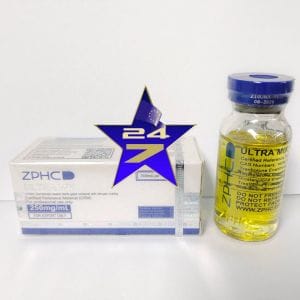
Original price was: $ 255.00.$ 179.00Current price is: $ 179.00.

CLOMIPHENE TABLETS 50mg 50 TABLETS FIERCE
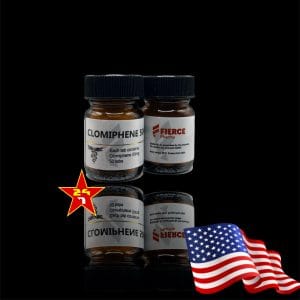
Original price was: $ 99.00.$ 89.00Current price is: $ 89.00.
ZPHC UltraMix 1ml amps x 10 amps - 1ml = 250mg
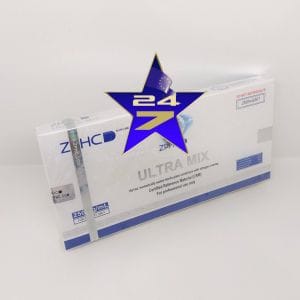
Original price was: $ 259.00.$ 179.00Current price is: $ 179.00.

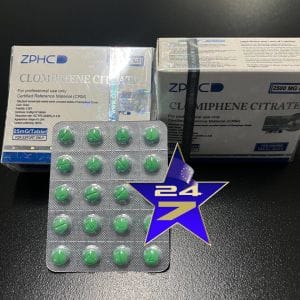
ZPHC Clomid Clomiphene 25mg/tablet | 100 Tablets Total: 2500mg
Original price was: $ 159.00.$ 65.00Current price is: $ 65.00.
Anabolic steroid laws vary globally and are often stringent due to the potential for abuse and adverse health effects associated with these substances. In many countries, including the United States, anabolic steroids are classified as controlled substances. In the U.S., they are listed under Schedule III of the Controlled Substances Act, which means they are illegal to possess without a valid prescription from a licensed medical professional. The use of anabolic steroids without a prescription for purposes such as bodybuilding or enhancing athletic performance is prohibited. Selling or distributing steroids illegally can result in significant legal penalties, including fines and imprisonment. In addition to federal laws, some countries and states have enacted their own specific regulations, often accompanying anti-doping policies for sports organizations to prevent unfair competitive advantages and protect athletes’ health. Globally, organizations like the World Anti-Doping Agency (WADA) enforce strict regulations in the sporting community, maintaining a list of banned substances, including anabolic steroids, to ensure fair play in athletic competitions.