
What You Need to Know About the 512 Imprint Pill

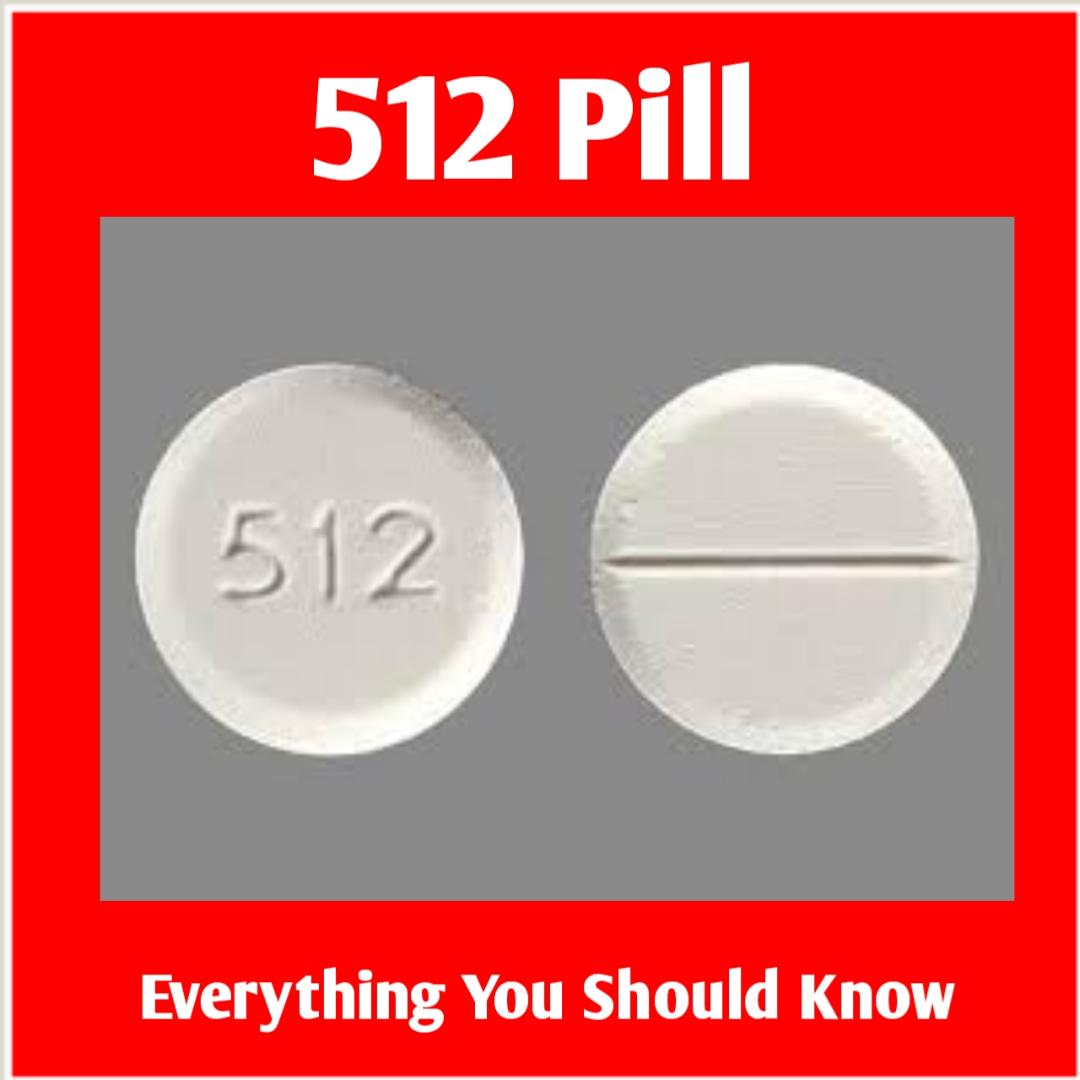
In the realm of pharmaceuticals, the pill with 512 imprinted on it is recognized as a commonly prescribed medication. It is typically a combination of acetaminophen and oxycodone, usually dispensed in a white, round form. This medication is part of the opioid analgesics class and is mainly used to alleviate moderate to severe pain. Its efficacy in offering quick relief places it among frequently prescribed analgesics. This article will delve into various aspects of the pill with 512 including its uses, potential side effects, and necessary precautions.
Uses of the Pill With 512
The pill with 512 is primarily prescribed to manage moderate to severe pain. This medication works by changing how the brain and nervous system respond to pain. There are numerous scenarios where a healthcare provider might prescribe this medication, including post-surgical pain management or severe injury scenarios. Due to its effectiveness in providing pain relief, the pill with 512 is a crucial component of pain management strategies in clinical settings.
Precautions and Potential Side Effects
While effective for pain management, the pill with 512 comes with its share of potential side effects and precautions. Common side effects may include dizziness, drowsiness, and nausea. More severe reactions, such as respiratory depression, require immediate medical attention.
It is crucial to take this medication exactly as prescribed to avoid potential addiction and overdose, as it contains oxycodone, a substance with high addiction potential. Patients are advised to inform their healthcare provider about all other medications they are taking to prevent harmful drug interactions.
Another critical aspect is that individuals with a history of substance use disorders should inform their doctors before starting this medication. It is also not advisable for use during pregnancy unless absolutely necessary due to potential harm to the unborn baby.
Conclusion
The pill with 512 serves as an essential tool in the arsenal against pain. Its combination of acetaminophen and oxycodone offers substantial relief from moderate to severe pain when used correctly under medical supervision. As with all medications, especially those containing opioids, appropriate usage is crucial to avoid dependence and misuse. Patients should work closely with their healthcare providers to determine the best course of action for their specific pain management needs.
BIG SALE | FAST SHIPPING
HOT PROMOTIONS!


CLOMIPHENE TABLETS 50mg 50 TABLETS FIERCE
Original price was: $ 99.00.$ 89.00Current price is: $ 89.00.

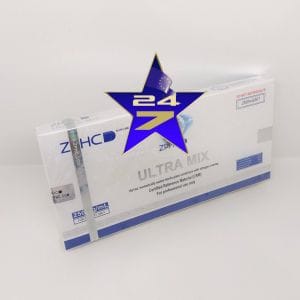
ZPHC UltraMix 1ml amps x 10 amps - 1ml = 250mg
Original price was: $ 259.00.$ 179.00Current price is: $ 179.00.

FAQs
What is the Pill With 512 Used For?
The pill with 512 is primarily used to treat moderate to severe pain. Its effectiveness makes it a common prescription in various pain management protocols.
Can I Take the Pill With 512 If I Am Pregnant?
It is advisable to avoid the pill with 512 during pregnancy unless deemed absolutely necessary by a healthcare provider due to potential risks to the unborn child.
Are There Alternatives to the Pill With 512 for Pain Management?
There are many alternatives for pain management, both pharmacological and non-pharmacological. It is essential to discuss these options with a healthcare provider. For more information on pain management alternatives, Mayo Clinic offers comprehensive resources.
What Should I Do If I Miss a Dose?
If you miss a dose of the pill with 512, take it as soon as you remember unless it is almost time for your next dose. Do not double the dose to catch up. More guidance can be found at WebMD.
Understanding the implications of any medication, especially those containing opioids like the pill with 512, is vital. Always adhere to your healthcare provider’s guidance to ensure safe and effective pain relief.
The pill with the imprint ‘512’ is identified as acetaminophen and oxycodone hydrochloride, a prescription medication used primarily for the management of moderate to severe pain. This combination medication belongs to the opioid analgesic class, where oxycodone acts as a potent opioid pain reliever while acetaminophen enhances the overall pain relief effects. The ‘512’ pill typically contains 5 mg of oxycodone and 325 mg of acetaminophen. Due to its content of oxycodone, this medication has a potential for abuse, addiction, and serious side effects, including respiratory depression. It is crucial for patients to follow their healthcare provider’s prescription guidelines meticulously to manage pain effectively while minimizing risks. Regular monitoring and adjustments may be necessary to ensure its safe and effective use, especially among individuals with a history of substance abuse or other underlying health conditions.