
How does the body maintain muscle mass after treatment?
Introduction
After undergoing treatment for various health conditions, whether it be due to surgery, chemotherapy, or long-term illness, many individuals wonder, how does the body maintain muscle mass after treatment? The maintenance of muscle mass is crucial not just for physical appearance but also for overall health, functionality, and recovery. This article explores the physiological mechanisms at play in maintaining muscle mass, the impact of treatment on muscle, and practical strategies to support recovery.
Understanding Muscle Mass
Muscle mass is defined as the total weight of muscle in the body, which plays a significant role in movement, metabolism, and physical well-being. Muscle tissue is continually subjected to a process known as remodeling, where old muscle fibers are replaced with new ones. This process relies on protein synthesis, which increases during periods of resistance training or physical activity.
The Role of Protein Synthesis
Protein synthesis is the process by which cells build proteins, and it is essential for muscle repair and growth. After injury or treatment, the body prioritizes repairing muscle tissue to restore functionality. Several factors influence this process:
- Nutrition: Adequate protein intake is crucial for supporting muscle repair and growth.
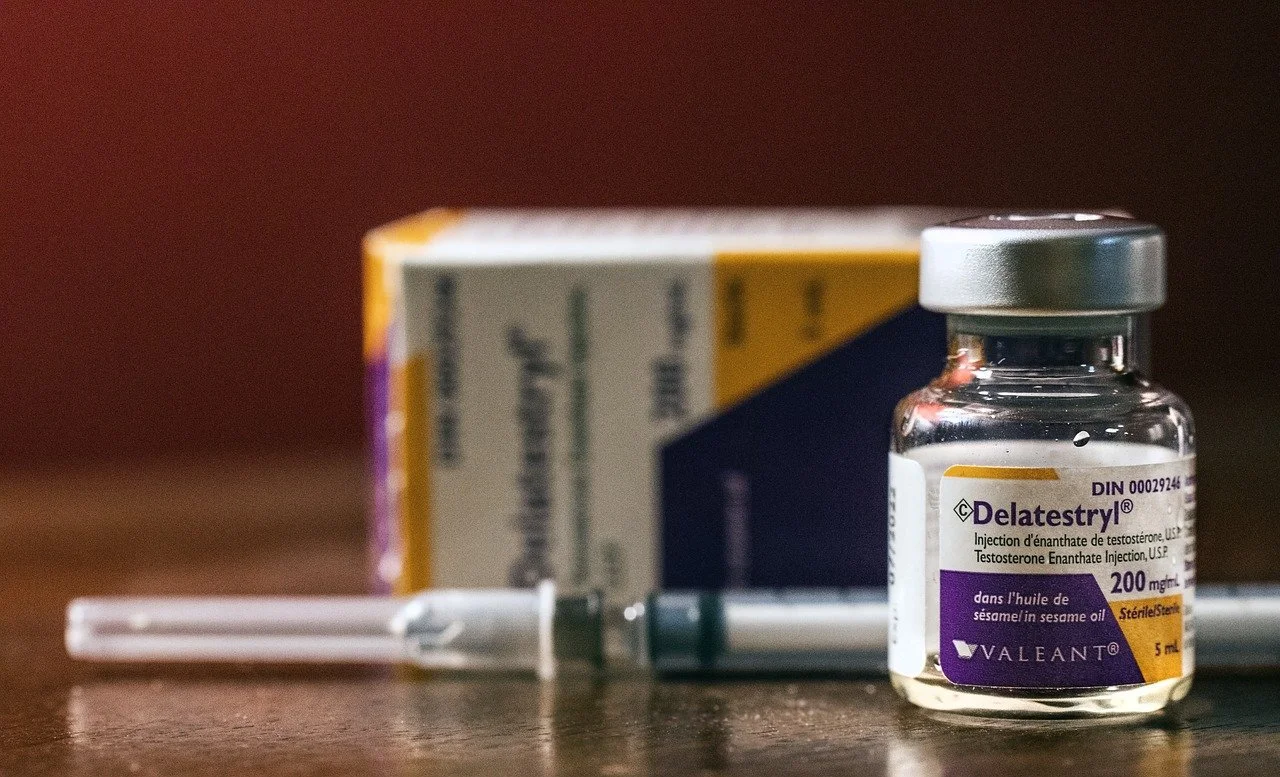
- Hormonal Balance: Hormones such as testosterone and growth hormone can enhance muscle protein synthesis.
- Physical Activity: Resistance training stimulates muscle repair and growth through increased protein synthesis.
The Impact of Treatment on Muscle Mass
Treatment for various conditions can significantly affect muscle mass, primarily due to inactivity or changes in nutrition. Understanding these factors can help individuals take necessary actions to mitigate muscle loss.
Catabolic Effects of Treatment
Many treatments can induce a catabolic state, where muscle mass is broken down faster than it is built up. Factors associated with this catabolic state include:
- Inactivity: Long periods of reduced activity can weaken muscle fibers.
- Inadequate Nutrition: Insufficient protein and caloric intake can hinder muscle regeneration.
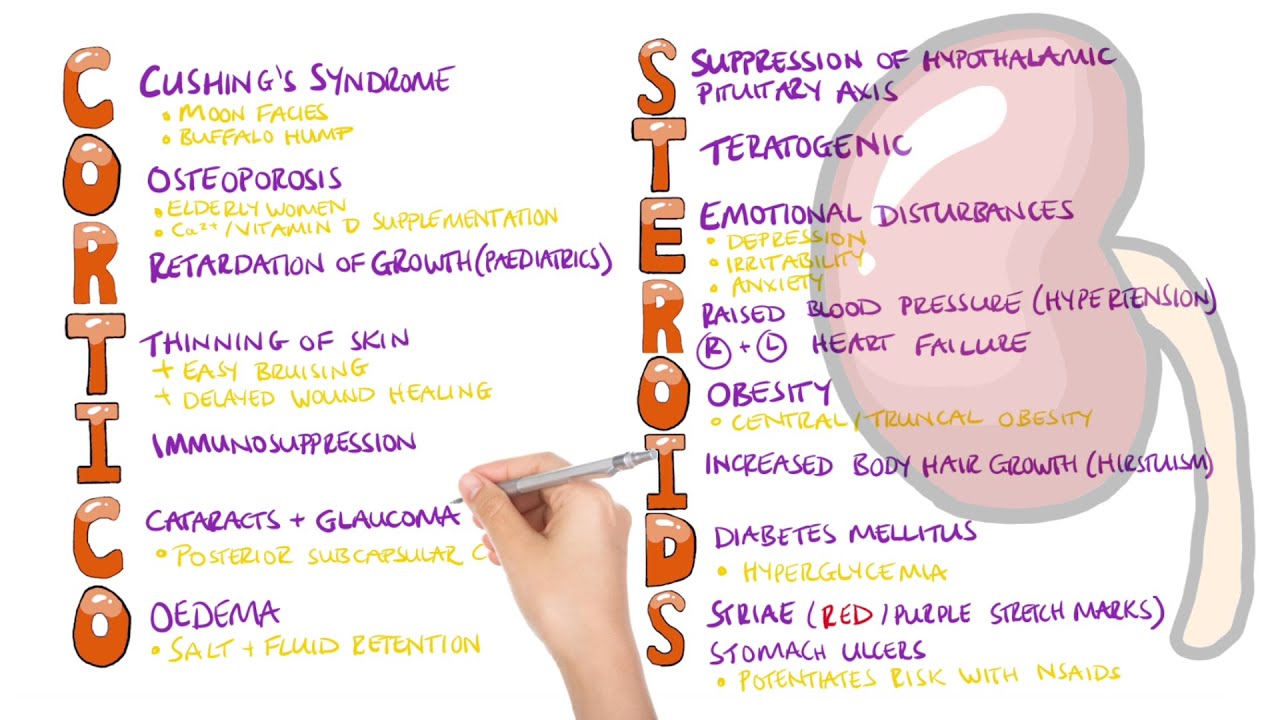
- Stress Hormones: Increased levels of cortisol, often observed during illness or treatment, can contribute to muscle wasting.
Role of Rehabilitation in Muscle Preservation
Implementing a tailored rehabilitation program post-treatment is vital for preserving muscle mass. This program should aim to:
- Reintroduce Activity: Gradually incorporating physical activity can stimulate muscle growth.
- Focus on Nutrition: A well-balanced diet with adequate protein supports muscle regeneration.
- Monitor Progress: Regular assessments will help track improvements and adjust the program as needed.
FREE SHIPPING
CLICK HERE!
HOT PROMOTIONS!

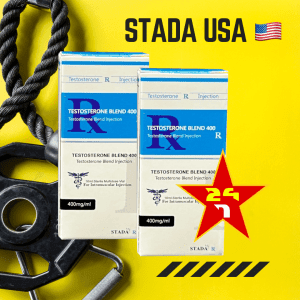
Beligas 10ml Vial Propha Testosterone Propionate 150mg
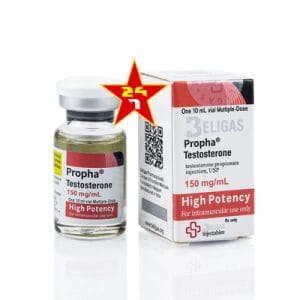
Original price was: $ 179.00.$ 89.00Current price is: $ 89.00.

SUSTANON 300MG BLEND AXIOM 10ML
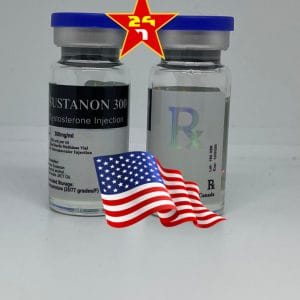
Original price was: $ 229.00.$ 119.00Current price is: $ 119.00.
CROWX 👑 OXAROW 10mg/50 tabs (Oxandrolone)

Original price was: $ 139.00.$ 95.00Current price is: $ 95.00.

Supplementation and Nutritional Strategies
In addition to balanced nutrition, certain supplements can aid in maintaining muscle mass after treatment:
- Protein Supplements: Whey or plant-based protein shakes can fulfill dietary gaps.
- BCAAs: Branched-chain amino acids may help reduce muscle soreness and promote recovery.
- Creatine: This supplement has been shown to enhance muscle mass and strength gains during resistance training.
How Does the Body Maintain Muscle Mass After Treatment?
Understanding how the body retains muscle mass after treatment entails several biological factors, including hormonal responses, nutritional support, and physical activity. The body initiates a complex interplay of mechanisms to conserve or rebuild muscle tissue. Key processes include:
- Myogenesis: This is the formation of new muscle fibers, crucial for regaining lost mass.
- Hypertrophy: Existing muscle fibers can increase in size through proper stimulus via resistance training.
- Amino Acid Availability: Consuming amino acids, particularly leucine, encourages protein synthesis.
Practical Strategies for Muscle Preservation
Preserving muscle mass after treatment can significantly improve recovery results. Here are some actionable strategies:
- Progressive Resistance Training: Begin a strength training program under the guidance of a professional to build and maintain muscle.
- High-Protein Diet: Aim for 1.2 to 2.0 grams of protein per kilogram of body weight, depending on activity level.
- Stay Hydrated: Adequate fluid intake supports overall bodily function, including muscle health.
- Consistency: Stick to a routine as continuity is essential for long-term muscle retention.
Conclusion
In conclusion, understanding how does the body maintain muscle mass after treatment? allows individuals to take proactive steps towards recovery. It is a multifaceted process that involves nutrition, exercise, and lifestyle choices. By implementing targeted strategies, one can preserve muscle mass and promote overall health effectively.
FAQ
1. Can I regain muscle mass after treatment if I have lost a significant amount?
Yes, with a focused rehabilitation plan that includes resistance training and proper nutrition, regaining lost muscle mass is achievable.
2. How important is protein intake after treatment?
Protein intake is crucial for muscle repair and growth, particularly following periods of inactivity or illness.
3. Is it safe to start exercising immediately after treatment?
It’s essential to consult with a healthcare provider before starting any exercise program post-treatment to ensure safety and appropriateness.
4. What types of protein are best for muscle retention?
High-quality proteins such as whey, chicken, fish, eggs, and plant-based proteins like soy and quinoa are all excellent choices.
5. How can I optimize my nutrition for muscle retention?
Focus on a balanced diet rich in whole foods, adequate protein, healthy fats, and carbohydrates to support energy needs.
6. Are there any specific exercises recommended for muscle maintenance?
Strength training exercises, such as squats, deadlifts, and bench presses, are effective for maintaining muscle mass.