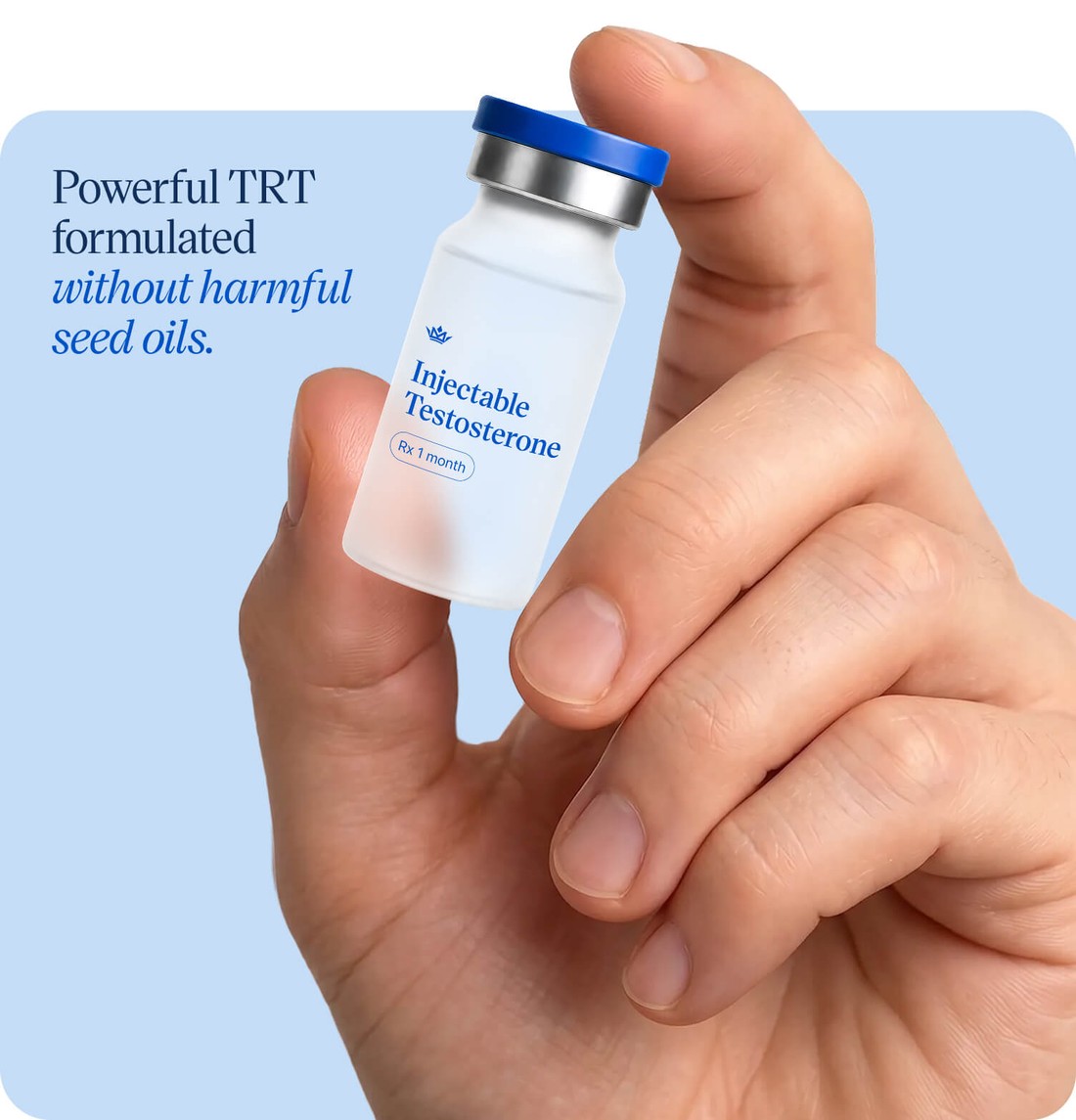

What distinguishes clinical doses from performance-enhancing cycles?
Introduction
The discussion around clinical doses and performance-enhancing cycles is a critical one, especially in the realms of medicine and sports. Understanding what distinguishes clinical doses from performance-enhancing cycles can clarify the intention behind substance use and help frame the larger conversation about ethics and health. While clinical doses are primarily designed for therapeutic purposes, performance-enhancing cycles aim at augmenting physical or cognitive abilities beyond normal levels. This article will delve into the key differences, implications, and considerations surrounding these two approaches.
Defining Clinical Doses
Clinical doses refer to the amount of a medication or substance prescribed to treat a specific medical condition. These doses are meticulously calculated based on extensive research and trials to ensure safety and effectiveness. Here are some crucial aspects to consider:
- Purpose: The primary aim is to alleviate symptoms, treat diseases, and improve the quality of life.
- Regulation: Clinical doses are governed by strict guidelines from health authorities. For instance, the Food and Drug Administration (FDA) plays a pivotal role in determining safe dosages.
- Clinical Trials: Medications undergo rigorous testing in clinical trials before they can be prescribed, ensuring the effectiveness and safety of the doses.
The Role of Evidence-Based Medicine
Clinical doses are often grounded in evidence-based medicine, which ensures that treatment is guided by the best available evidence. This minimizes the risks associated with over-prescription or ineffective treatments. Practitioners rely on extensive documentation and peer-reviewed studies to inform their prescribing practices.
Exploring Performance-Enhancing Cycles
In contrast, performance-enhancing cycles involve the use of substances, often anabolic steroids or other drugs, to improve athletic performance or physical appearance. These substances can significantly alter hormone levels and metabolism, leading to a myriad of health concerns. Key points include:
- Aim: The focus here is to gain a superior physical advantage, rather than treating any medical condition.
- Legality and Ethics: The use of performance-enhancing drugs is considered illegal in many sports and raises ethical questions about fairness and health risks.
- Health Risks: Misuse of these substances can lead to serious side effects, including hormonal imbalances and cardiovascular issues.
Typical Substances Used
Common substances found in performance-enhancing cycles include:
- Anabolic steroids
- Human Growth Hormone (HGH)
- Stimulants like amphetamines
Key Distinctions Between Clinical Doses and Performance-Enhancing Cycles
Understanding the differences is crucial for both practitioners and athletes. Here are several distinctions:
Intended Use
While clinical doses are intended to restore or enhance health, performance-enhancing cycles seek to enhance physical capabilities beyond natural limits. This fundamental difference shapes how each is regulated and perceived in society.
Research and Approval
Clinical doses are backed by years of research, clinical trials, and regulatory approvals, ensuring that their use is both safe and effective. Conversely, performance-enhancing substances often lack comprehensive research and approval for their intended uses, leading to serious health risks for users.
Legal Implications
The legality of using clinical doses is well established within medical frameworks, provided they are prescribed by qualified professionals. On the other hand, using performance-enhancing drugs may breach both legal regulations in sports and ethical norms, leading to disciplinary actions and health consequences.
FREE SHIPPING
CLICK HERE!
HOT PROMOTIONS!


ILLUSTRA BRAND | Liquid BAC water 10ml BA+0.9% Benzyl Alcohol

Original price was: $ 67.00.$ 46.00Current price is: $ 46.00.


Individual Health Considerations
Clinical doses are prescribed following a careful evaluation of a patient’s health needs, whereas performance-enhancing cycles are often embarked upon without professional supervision. This unsupervised use can lead to serious health risks, including addiction, cardiovascular disease, and hormonal disruptions.
Practical Advice for Individuals
Whether you’re considering clinical doses for a medical condition or contemplating the use of performance-enhancing substances, it’s crucial to make informed decisions
. Here are some tips:
- Consult a Healthcare Professional: Always seek advice from a knowledgeable healthcare provider, especially when it comes to medication.
- Understand the Risks: Be aware of the potential health risks associated with performance-enhancing drugs.
- Prioritize Health: Consider long-term health and well-being over short-term performance gains.
Conclusion
In summary, understanding what distinguishes clinical doses from performance-enhancing cycles is fundamental for anyone navigating the realms of health and athletics. While clinical doses are rooted in safety, efficacy, and medical necessity, performance-enhancing cycles often involve significant risks and legal implications. The choice to use any substance should always be informed by evidence, professional guidance, and consideration of potential health outcomes.
Frequently Asked Questions (FAQ)
1. What distinguishes clinical doses from performance-enhancing cycles?
Clinical doses are prescribed for medical reasons, focusing on treatment and recovery, while performance-enhancing cycles aim to boost physical performance without medical necessity.
2. Are performance-enhancing drugs safe?
Many performance-enhancing drugs carry significant health risks, including hormonal imbalances and cardiovascular problems, and should only be used under medical supervision, if at all.
3. How can I know if a drug is a clinical dose or performance-enhancing?
Clinical doses are typically prescribed by healthcare providers for diagnosed health needs, while performance-enhancing drugs are often used without professional guidance for athletic enhancement.
4. What regulations exist around clinical doses?
Clinical doses are regulated by health authorities such as the FDA, ensuring safe prescribing and use. Performance-enhancing drugs, in contrast, may be banned in many sports settings.
5. Should I consult a doctor before taking any medication?
Yes, it is crucial to consult a healthcare professional before starting any medication to ensure it is appropriate for your health condition and to understand potential risks.
6. Can performance-enhancing drugs lead to addiction?
Yes, some individuals may develop a psychological or physical dependence on performance-enhancing drugs, leading to potential addiction and other serious health issues.