Accutane 20 mg: A Comprehensive Guide to Acne Treatment
TABLE OF CONTENTS

Accutane, also known by its generic name isotretinoin, is a powerful medication commonly prescribed for severe acne that has not responded to other treatments. One of the most frequently prescribed forms of this medication is Accutane 20 mg. This article delves into the key aspects of Accutane 20 mg, from its usage to its potential side effects, providing essential information for those considering or currently using this treatment.
What is Accutane 20 mg?
Accutane 20 mg is a dosage form of isotretinoin, a derivative of vitamin A. It works primarily by reducing sebum production, a major factor in the development of acne. By decreasing the oil production in the skin, Accutane effectively reduces the formation of acne lesions. Patients are often prescribed Accutane 20 mg as part of a larger treatment regimen, with the objective of achieving significant improvements in skin clarity over time.
How to Use Accutane 20 mg
Administration of Accutane 20 mg should always follow a dermatologist’s instructions. Patients typically start with a lower dose to assess tolerance before potentially increasing the amount. Consistent daily intake, usually over a course of four to six months, is crucial for achieving the best outcomes. Users are often advised to take Accutane 20 mg with a meal to enhance absorption and minimize side effects.
It is important to adhere to the prescribed treatment and avoid missed doses. Never use Accutane 20 mg more than prescribed, and if a dose is missed, consult your healthcare provider for advice rather than doubling the next dose.
Potential Side Effects
While Accutane 20 mg is effective, it can also come with a series of side effects. Commonly reported issues include dry skin, chapped lips, and nosebleeds due to the drying effects of the medication. Some patients may also experience increased skin sensitivity. More serious side effects, although rare, can include mood changes, vision problems, and severe headaches. Due to these potential risks, regular check-ups with a healthcare provider are recommended to monitor the patient’s response to the medication.
Safety Precautions
Before starting Accutane 20 mg, patients should discuss their medical history with their healthcare provider. It is imperative for female patients to avoid pregnancy during treatment, as isotretinoin is known to cause severe birth defects. Regular pregnancy tests and the use of effective birth control are necessary throughout the treatment duration and for a period afterward.
Conclusion
Accutane 20 mg can be a game-changer for those struggling with severe acne, offering the possibility of clear skin when other treatments have failed. However, its powerful effects come with significant responsibilities and the need for close medical supervision. By adhering to the prescribed guidelines and being aware of the potential side effects, patients can optimize their treatment outcomes.
FAQs
What should I do if I miss a dose of Accutane 20 mg?
If you miss a dose of Accutane 20 mg, take it as soon as you remember unless it is almost time for your next dose. Do not take two doses at once to make up for the missed dose. For personalized guidance, consult your healthcare provider.
Can I take Accutane 20 mg if I am pregnant?
No, you should not take Accutane 20 mg if you are pregnant or planning to become pregnant, as it can cause serious birth defects. It is essential to use effective contraception methods and undergo regular pregnancy tests throughout the treatment.
How long does it take to see results with Accutane 20 mg?
Results vary from person to person, but most people begin to see improvements in their acne after the first month of treatment. The full course typically lasts four to six months.
For more information on skincare and acne management, you might find this article helpful. Additionally, this resource provides an in-depth guide on isotretinoin.
BIG SALE | FAST SHIPPING
HOT PROMOTIONS!


CYT 3 6MG | T3 | Yohimbe | Clen | Weight Loss Blend | 100 Tablets Total Kit 600mg
$ 69.00
STADA MEGA CUTS BLEND 300 MG 10ML (TRENBOLONE)
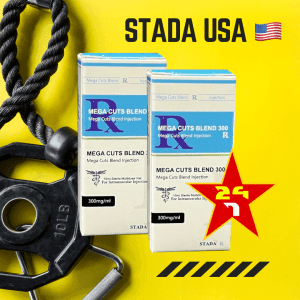
Original price was: $ 129.00.$ 119.00Current price is: $ 119.00.
Accutane 20 mg is a prescription medication primarily used to treat severe acne, particularly nodular or cystic forms that have not responded to other treatments. The active ingredient in Accutane is isotretinoin, which is a powerful retinoid derived from vitamin A. It works by reducing the amount of oil released by the skin’s oil glands, promoting skin renewal and decreasing inflammation and bacteria. Due to its potency, Accutane is typically prescribed for a limited duration under strict medical supervision, as it can cause significant side effects including dry skin, joint pain, and increased sensitivity to sunlight. It is crucial for patients to adhere to safety guidelines, such as avoiding pregnancy while taking the drug and participating in regular follow-up appointments to monitor for potential adverse reactions. Despite its risks, Accutane has been highly effective for many patients in achieving long-term clearance of severe acne.