What are the risks of oral steroids?

Oral steroids, though beneficial for medical conditions, carry significant risks. They can cause serious health issues, including cardiovascular complications, liver damage, hormonal imbalances, and psychological effects such as aggression. Understanding these risks is vital for informed decision-making.

What is the most common steroid medication?

Steroid medications are essential in treating various conditions, and prednisone is the most common among them. It effectively addresses issues like asthma, arthritis, and inflammatory diseases by reducing inflammation and suppressing the immune response. However, long-term use can lead to side effects such as weight gain and high blood sugar.

Who cannot take steroids?

Steroid use poses significant health risks for various individuals. Pregnant or nursing women, those with pre-existing medical conditions, adolescents, individuals with mental health issues, the elderly, and those on certain medications should avoid steroids. Understanding the risks is crucial for health.

Is TRT as bad as steroids?

The distinction between TRT and anabolic steroids is clear. TRT is a therapeutic approach providing health benefits under medical supervision, focusing on correcting hormonal deficiencies. In contrast, anabolic steroids carry significant health risks and ethical dilemmas due to misuse and unregulated use.

What is the most common steroid drug?

Testosterone is the most common steroid drug, used both medically and athletically. While it has legitimate therapeutic applications, misuse can lead to serious health issues like cardiovascular problems and liver damage. Education about the risks of anabolic steroid use is crucial.

What are 5 examples of steroids?

Steroids, often surrounded by controversy, fall into two main categories: anabolic and corticosteroids. This article explores five examples—testosterone, nandrolone, stanozolol, cortisol, and dexamethasone—highlighting their uses and potential health impacts, including risks like liver damage and hormonal imbalance.

Understanding Testosterone Cypionate Benefits

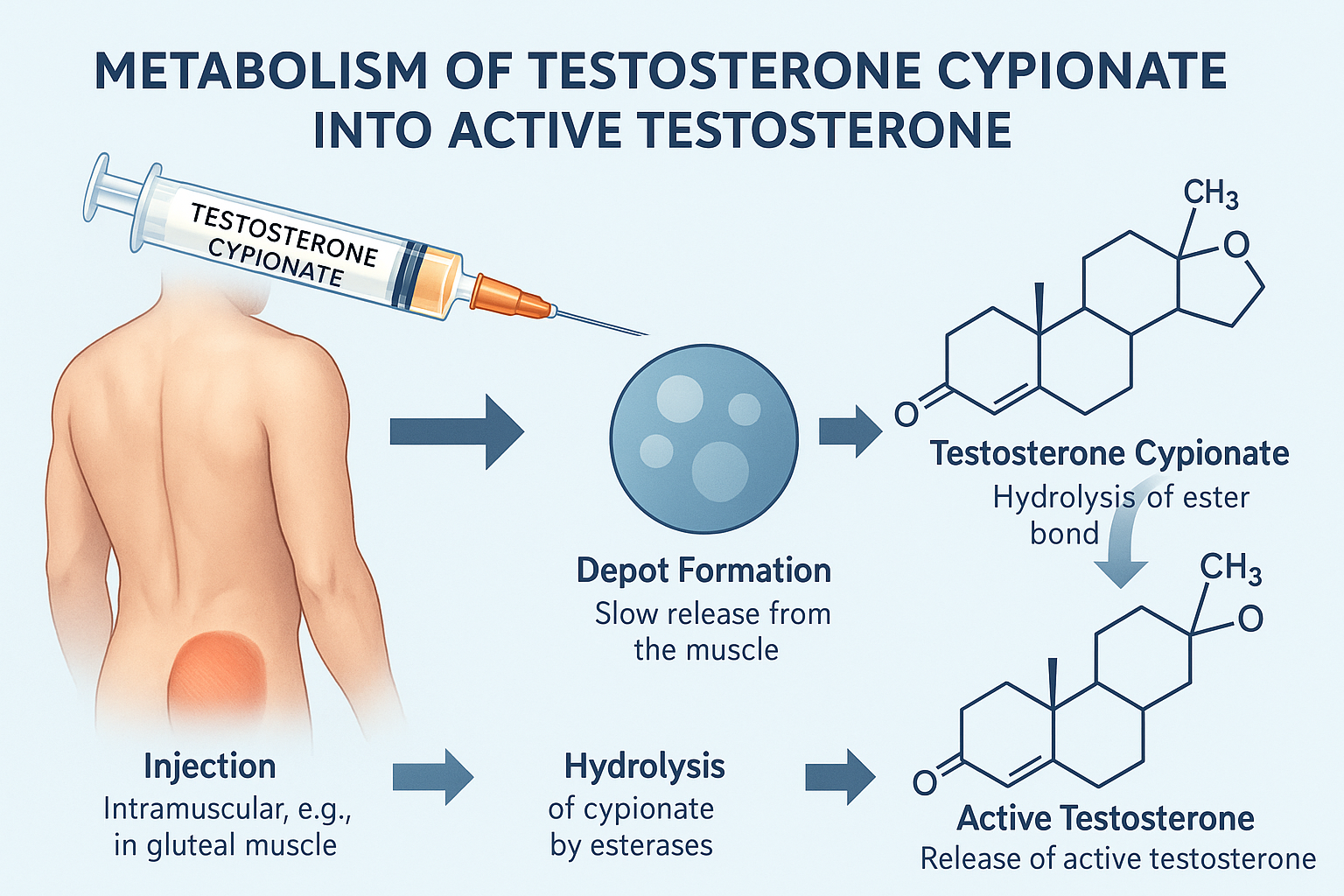
Testosterone cypionate is an injectable form of testosterone often used in hormone replacement therapy (HRT) for male hypogonadism. It offers benefits like improved libido, increased energy, enhanced mood, and greater muscle mass. Dosage is personalized, and potential side effects include acne and mood swings. Responsible use and medical oversight are essential.

Cyclizine: Common Side Effects and What to Watch For

Cyclizine, an antihistamine for nausea and motion sickness, has common side effects like drowsiness, dry mouth, and blurred vision. Rarely, it can cause rapid heart rate, difficulty urinating, or severe dizziness. Allergic reactions, though uncommon, require immediate medical attention. Long-term use may lead to dependency, so monitoring by healthcare providers is recommended. Cyclizine can interact with other medications, potentially enhancing side effects. Users should seek medical guidance to minimize risks.

Methocarbamol: Uses, Benefits, and Brand Names

Methocarbamol, sold as Robaxin, is a muscle relaxant for relieving pain from strains and other conditions. It blocks nerve impulses to the brain, aiding symptom relief and mobility improvement. Often used with rest and therapy, it’s crucial to follow medical instructions and watch for side effects like dizziness.

Understanding Oxycodone Pink: What You Need to Know

Oxycodone pink, with its distinct color, is an opioid medication for managing moderate to severe pain. It often comes as immediate-release tablets for quick relief, with the “pink” label indicating a specific dosage or manufacturer’s design. While effective, it carries a high risk of addiction, requiring careful prescription and monitoring. Its use is part of a broader pain management strategy to minimize dependency.

Understanding Trazodone: Is It Addictive?

Trazodone is an antidepressant often used for depression and anxiety, with off-label use as a sleep aid due to sedative effects. It generally has a low addiction potential compared to benzodiazepines, but psychological dependence can occur, especially with long-term or high-dose use. Gradual discontinuation under medical supervision is advised to prevent withdrawal symptoms.

Identifying Xanax: What Does It Look Like?

Xanax, commonly used to treat anxiety and panic disorders, appears in various forms. Typically, Xanax tablets are small and either oval or elliptical. They come in different colors based on dosage: 0.25 mg is white, 0.5 mg is peach, 1 mg is blue, and 2 mg is white, yellow, or green. These tablets often include identifying imprints to differentiate them from other medications.

Mixing Lexapro and Alcohol: What You Need to Know

Lexapro, a selective serotonin reuptake inhibitor (SSRI), is used to treat depression and anxiety by regulating serotonin levels in the brain. However, mixing Lexapro with alcohol can amplify side effects like dizziness and drowsiness. Alcohol may also negate Lexapro’s benefits, potentially worsening depression. Consulting a healthcare provider for personalized advice on alcohol consumption is crucial for those taking Lexapro. Each individual’s response can vary, making medical guidance essential to safely manage the use of medication and alcohol.

Understanding Lyrica: Is It an Opioid?

Lyrica, or pregabalin, is not an opioid. It is an anticonvulsant and neuropathic pain agent used for nerve pain, fibromyalgia, and certain seizures. Unlike opioids, it doesn’t target opioid receptors, reducing addiction risk. Misuse can still lead to side effects and dependence, though risks are lower than opioids.

Wellbutrin: Common Side Effects and What to Expect

Wellbutrin, also known by its generic name bupropion, is an antidepressant commonly used to treat major depressive disorder and to aid smoking cessation. While it is generally well-tolerated, some individuals may experience side effects such as insomnia, dry mouth, and weight loss. More serious but less common side effects include increased heart rate, high blood pressure, and an increased risk of seizures, especially at higher doses. It’s essential for patients to discuss any adverse effects with their healthcare provider.

Understanding Methocarbamol: Uses, Benefits, and Side Effects

Methocarbamol is a central nervous system depressant used as a muscle relaxant for spasms and discomfort from acute musculoskeletal conditions. It dampens nerve impulses causing muscle twitching. Administered orally, it’s often combined with rest and physical therapy for relief and improved mobility. Side effects may include dizziness and drowsiness. Avoid alcohol and exercise caution with activities requiring alertness.

Adderall vs. Phentermine: Understanding the Differences and Benefits

Adderall and phentermine are stimulant medications used for different purposes. Adderall, a mixture of amphetamine salts, is prescribed for ADHD and narcolepsy, enhancing focus and attention by increasing neurotransmitter levels. Phentermine is used to suppress appetite in weight loss plans for obese individuals. It impacts the central nervous system to reduce appetite. Both drugs can cause side effects like increased heart rate and insomnia. They are not interchangeable and should be used under medical supervision due to potential abuse and dependency risks.

Left Menu Icon