Arachidonic Acid: Essential Fatty Acid For Inflammation & Healing
TABLE OF CONTENTS

Understanding Arachidonic Acid
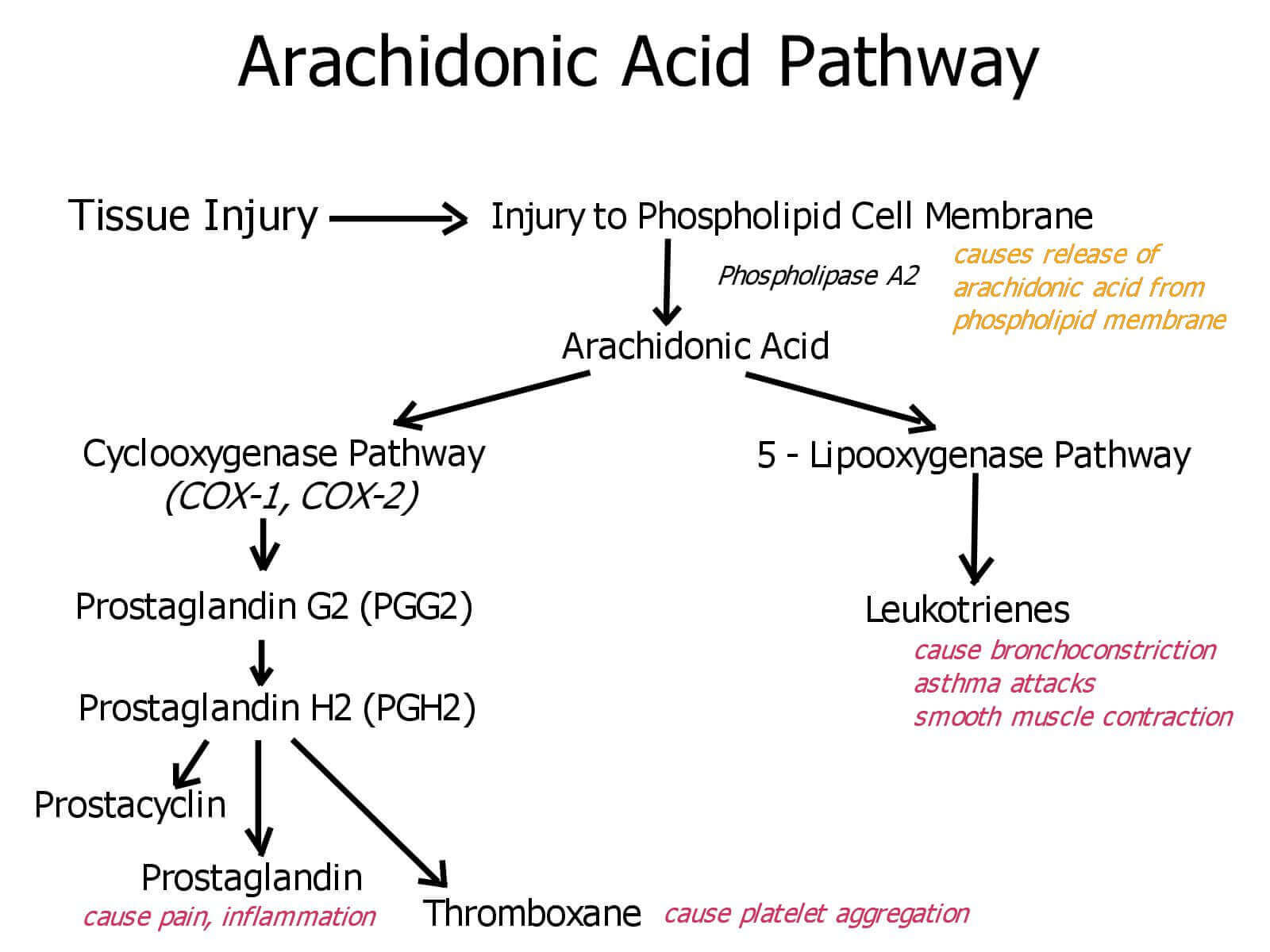
Arachidonic acid is a polyunsaturated omega-6 fatty acid that holds significant importance in human nutrition and physiology. It is a crucial component of cell membranes and serves as a precursor for a variety of bioactive lipid compounds. Despite its importance, arachidonic acid is often misunderstood, primarily due to its association with inflammation. However, it plays a more complex and integral role in the human body than it often gets credit for.
The Role of Arachidonic Acid in the Body
This fatty acid is involved in the biosynthesis of eicosanoids, which includes prostaglandins, thromboxanes, and leukotrienes. These eicosanoids are essential for numerous physiological functions, including the regulation of inflammation, immune responses, and platelet function. While it is true that excessive levels can promote inflammation, it is equally important for resolving inflammation and supporting healing processes.
Sources and Dietary Importance
Arachidonic acid can be obtained through diet, predominantly from animal-derived foods such as meat, eggs, and dairy products. For individuals who are vegetarian or vegan, maintaining adequate levels can be a challenge, and they may rely on the body’s ability to convert linoleic acid, another omega-6 fatty acid, into arachidonic acid. However, the conversion rate can be limited, making direct dietary intake sometimes necessary.
Health Implications
Balanced arachidonic acid levels are important for maintaining cardiovascular health, proper brain function, and muscle growth. However, like many nutrients, balance is crucial, as an imbalance in omega-6 and omega-3 fatty acids can lead to health issues. Studies suggest that the typical Western diet, which is high in omega-6 fatty acids, may require adjustments to promote a more beneficial balance with omega-3 fatty acids.
Conclusion
Arachidonic acid is a vital component of a healthy diet, fundamental for various bodily functions. While its role in inflammation is complex, it is clear that it serves both pro-inflammatory and anti-inflammatory roles, making it indispensable for optimal health. Developing a balanced dietary intake of fatty acids is essential for harnessing the benefits of arachidonic acid while minimizing potential health risks associated with its excess.
Frequently Asked Questions (FAQs) about Arachidonic Acid
-
- What foods are high in arachidonic acid? Animal products such as beef, chicken, pork, eggs, and dairy are rich in this fatty acid.
-
- Is arachidonic acid bad for your health? It is not inherently bad; balance with omega-3 fatty acids is key to reducing potential inflammatory risks.
-
- Can vegetarians obtain enough arachidonic acid? Vegetarians can strive to consume linoleic acid-rich foods whose conversion to arachidonic acid can help maintain adequate levels, though supplementation may sometimes be necessary.
BIG SALE | FAST SHIPPING
HOT PROMOTIONS!
ZPHC UltraMix 1ml amps x 10 amps - 1ml = 250mg

Original price was: $ 259.00.$ 179.00Current price is: $ 179.00.





Arachidonic acid is a polyunsaturated omega-6 fatty acid that plays a pivotal role in the human body’s physiological processes. It serves as a crucial component of cell membranes and acts as a precursor for the biosynthesis of eicosanoids, which include prostaglandins, thromboxanes, and leukotrienes—compounds integral to inflammatory and immune responses. Predominantly found in the phospholipids of the cell membranes in muscle and brain tissues, arachidonic acid is released during cell signaling events. Its release and subsequent metabolism are critical in signaling pathways that mediate various bodily functions, including the regulation of inflammation, pain, and blood clotting. Despite its essential roles, an imbalance or excessive concentration of arachidonic acid and its derivatives can contribute to inflammatory diseases, highlighting the importance of balanced dietary intake of omega-6 and omega-3 fatty acids for maintaining optimal health.