10 Essential Forearm Workouts for Strength and Definition
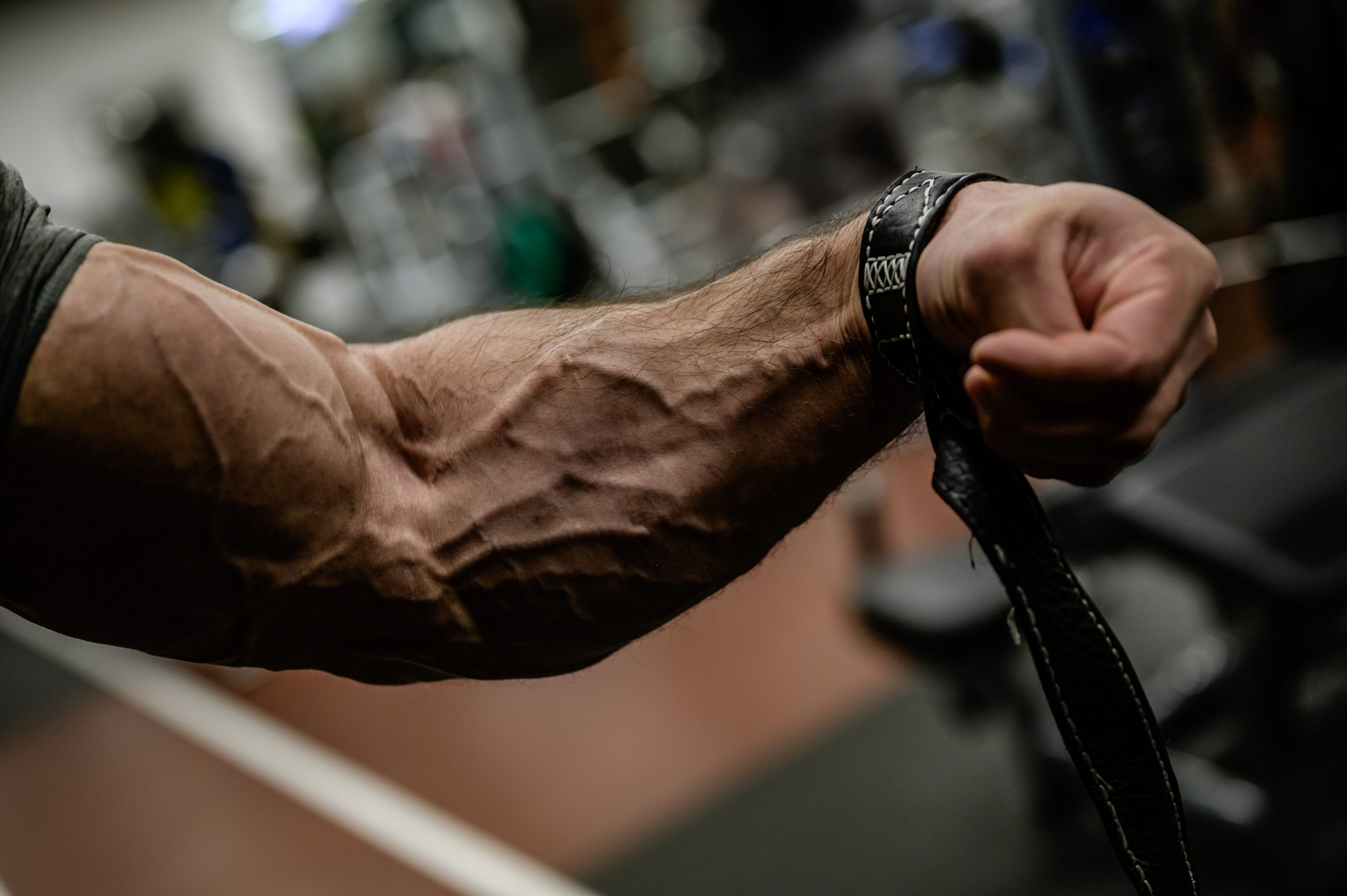
When it comes to gym routines, the forearms often get less attention than other muscle groups like biceps or triceps. However, developing a strong, defined forearm is essential for improving grip strength, enhancing overall arm appearance, and supporting other exercises. The secret to building robust forearms is incorporating a variety of workouts to prevent plateaus and ensure balanced muscle growth.
Forearm Workouts You Should Try
Wrist Curls
Wrist curls are a classic exercise focused on strengthening the flexor muscles of the forearm. To perform wrist curls, sit on a bench with your forearms resting on your thighs, holding a dumbbell in each hand. Let your wrists hang over the edge and curl the weights upwards before slowly lowering them back to the starting position. This workout is beneficial for improving grip and overall forearm endurance.
Reverse Wrist Curls
As a counterpart to wrist curls, reverse wrist curls target the extensor muscles. To execute this exercise, assume the same starting position as a wrist curl but with the palms facing down. Curl the weights upwards against resistance, allowing you to balance the muscle development between the forearm’s flexor and extensor regions.
Farmer’s Walk
The Farmer’s Walk is a full-body workout that substantially engages the forearms. Grab a heavy dumbbell or kettlebell in each hand, ensuring your grip is firm. Walk a specified distance while keeping your posture correct. This exercise not only enhances your grip strength but also improves stamina and core stability. The Farmer’s Walk is commonly used in strength training routines due to its simplicity and effectiveness. More details about this can be found on Bodybuilding.com.
Hammer Curls
Although primarily targeted at the biceps, hammer curls offer significant benefits for forearm development. Unlike traditional curls, hammer curls are performed with palms facing inwards. By maintaining a neutral grip, you activate forearm muscles and boost overall arm strength. This exercise is perfect for incorporating into your arm workout routine when you want to hit multiple muscles at once.
Towel Pull-Ups
To amplify the intensity of regular pull-ups, try towel pull-ups, which prioritize forearm grip strength. Drape a towel over a pull-up bar and grab an end in each hand. Perform pull-ups as usual, but the increased demand on your grip makes this exercise particularly challenging, helping you develop intense forearm strength.
Conclusion
A variety of specialized exercises is crucial for achieving optimal forearm development. Incorporating different types of workouts into your regimen prevents stagnation and ensures that all the forearm muscles get the attention they deserve. Whether you’re focusing on strengthening grip or enhancing muscle endurance, a diverse workout plan will yield the most balanced results. Embrace these diverse workouts to ensure steady progress and solid forearm growth.
FAQs
What should be the frequency of forearm workouts in a weekly routine?
Ideally, you should aim to work out your forearms 2-3 times a week to give the muscles ample time to recover and grow.
Can forearm workouts be performed at home?
Absolutely! Many forearm exercises, like wrist curls and towel pull-ups, can be done at home with minimal equipment. Consider checking out these home workout solutions.
Is it normal to feel pain after forearm workouts?
Some soreness post-workout is normal due to muscle exertion, but if you experience persistent or sharp pain, consult a healthcare professional to rule out injury.
Improving forearm strength requires dedication and a strategic approach to ensure that progress is steady and balanced. With varied and consistently executed routines, robust forearm development is well within reach.
BIG SALE | FAST SHIPPING
HOT PROMOTIONS!
NANDROLONE DECANOATE 300MG 10ML AXIOM

Original price was: $ 349.00.$ 149.00Current price is: $ 149.00.


Beligas Deca Durabolin 500mg/ml 10ml vial

Original price was: $ 269.00.$ 169.00Current price is: $ 169.00.


ZPHC UltraMix 10ml MultiUse Vial 1ml = 250mg

Original price was: $ 257.00.$ 181.00Current price is: $ 181.00.

Forearm workouts are a crucial aspect of a well-rounded fitness routine, vital for improving grip strength, enhancing overall arm aesthetics, and supporting daily functional tasks. Incorporating exercises such as wrist curls, reverse wrist curls, and farmer’s carries can effectively target the forearm muscles, including the flexors and extensors. Additionally, engaging in activities like rock climbing or utilizing hand grippers can intensify forearm training by challenging grip endurance and muscle definition. Consistency in these workouts, paired with proper technique, ensures balanced development, reduces the risk of injury, and promotes muscular synergy, enhancing performance in various upper body exercises and sports. It’s important to begin with moderate weights and repetitions, gradually increasing resistance as strength builds, while also considering the importance of rest and recovery to prevent overuse injuries.