Back Pumps and Steroids: Understanding the Connection
TABLE OF CONTENTS

For many athletes and bodybuilders, enhancing physical performance and achieving their ideal physique are key goals. In the pursuit of these aspirations, some turn to anabolic steroids to gain muscle mass and strength. However, a frequently discussed side effect of steroid use is the phenomenon known as “back pumps.” This article will delve into what back pumps steroids are, the mechanisms behind them, and how to manage or avoid this discomfort.
What are Back Pumps?
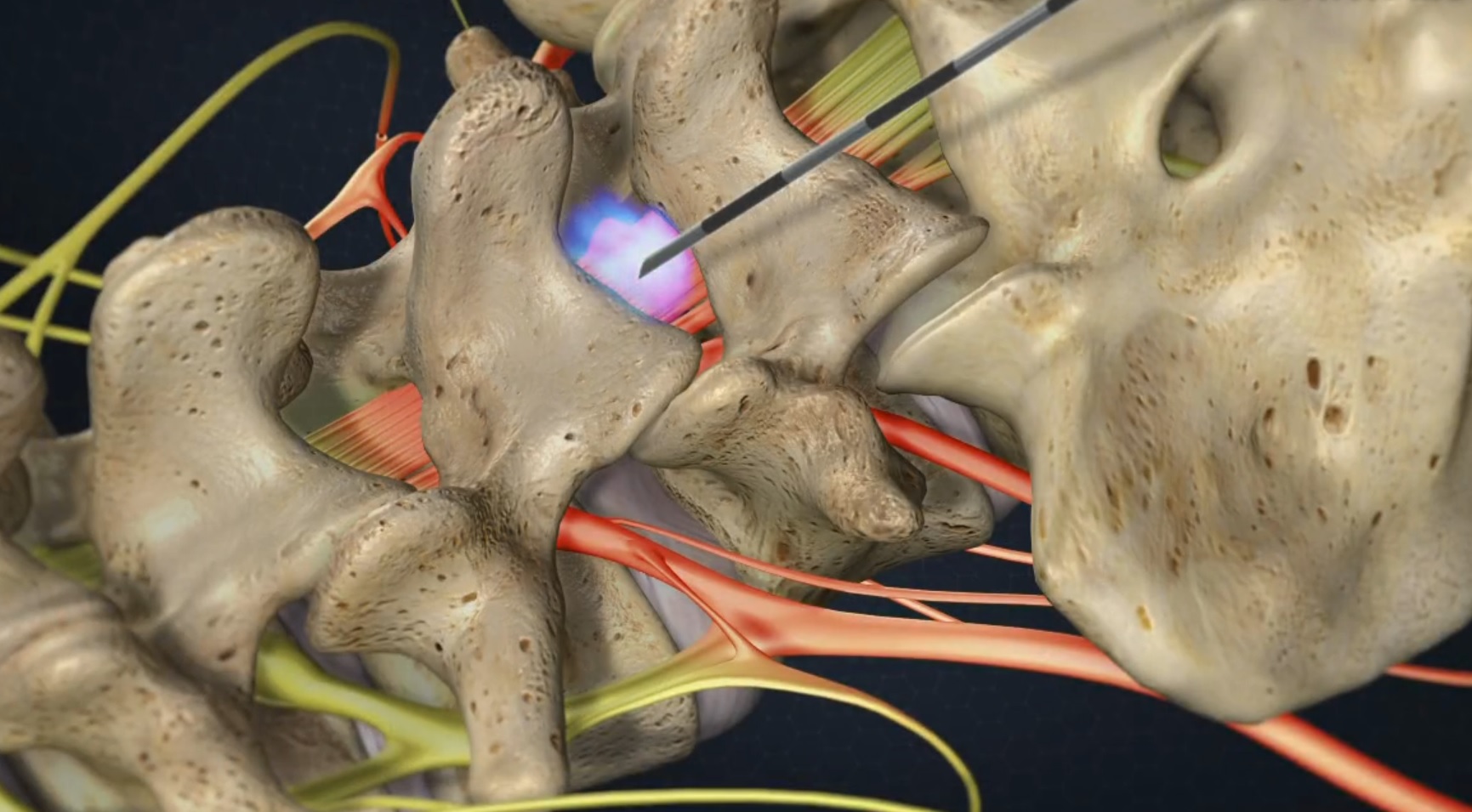
Back pumps refer to a sensation of tightness or pain experienced in the lower back muscles. This discomfort can range from mild to severe and is often exacerbated by prolonged exercise or heavy lifting. While back pumps can occur in anyone, they are more common among those who use certain types of anabolic steroids.
Back pumps as a result of using back pumps steroids are due to an increase in blood flow and muscle inflammation. Steroids can enhance muscle growth and performance, causing muscles to swell with blood during exercise. This increased pressure can lead to the discomfort known as back pumps.
Causes of Back Pumps from Steroids
Several factors contribute to the likelihood of experiencing back pumps when using steroids:
- Increased Muscle Volume: Some steroids cause significant muscle gain, increasing the likelihood of pressure buildup in muscle tissues.
- Water Retention: Steroids often cause the body to retain additional fluids, adding to muscle pressure and resulting in back pumps.
- Electrolyte Imbalance: An imbalance in electrolytes can exacerbate muscular issues, including back pumps.
Managing Back Pumps from Steroids
While experiencing back pumps is common among steroid users, there are ways to manage this side effect:
- Hydration: Keeping well-hydrated can aid in reducing back pumps by managing fluid retention.
- Supplementation: Supplements such as taurine, magnesium, and potassium may help mitigate the symptoms by balancing electrolyte levels.
- Exercise Moderation: Reducing the intensity and frequency of exercises that trigger back pumps can provide relief.
- Stretching: Regular stretching of the lower back and hamstrings can alleviate discomfort.
Conclusion
Back pumps are an uncomfortable yet common side effect for those who use certain anabolic steroids. Understanding the physiological reasons behind back pumps and implementing management strategies can help alleviate symptoms. Always consult with a healthcare professional before beginning any steroid regimen, and prioritize safety and health over physical performance gains.
FAQs about Back Pumps Steroids
- What are back pumps in the context of steroid use?
- Back pumps refer to a feeling of tightness or pain in the lower back muscles, commonly associated with the use of certain anabolic steroids.
- How can I reduce the severity of back pumps?
- Maintaining hydration, supplementing with electrolytes, moderating exercise intensity, and regular stretching can help reduce symptoms.
- Are back pumps dangerous?
- While uncomfortable, back pumps are typically not dangerous but should be monitored. Consult a healthcare provider if concerns arise.
BIG SALE | FAST SHIPPING
HOT PROMOTIONS!



ZPHC UltraMix 10ml MultiUse Vial 1ml = 250mg

Original price was: $ 255.00.$ 179.00Current price is: $ 179.00.
CLOMIPHENE TABLETS 50mg 50 TABLETS FIERCE
Original price was: $ 99.00.$ 89.00Current price is: $ 89.00.

ZPHC UltraMix 1ml amps x 10 amps - 1ml = 250mg
Original price was: $ 259.00.$ 179.00Current price is: $ 179.00.

“Back pumps” refer to a type of muscle pain or tightness, particularly in the lower back, that is often associated with the use of certain steroids or performance-enhancing drugs. These substances, especially those that promote rapid muscle growth like anabolic steroids, can lead to an imbalance in muscle development and water retention, resulting in undue strain on the back muscles. As the muscles grow rapidly, they can become overly engorged with blood and nutrients, leading to a painful and uncomfortable sensation commonly referred to as “back pumps.” This condition can be exacerbated by weightlifting or strenuous physical activity, as the increased blood flow and pressure during exercise can intensify the discomfort. Managing back pumps often involves adjusting the steroid dosage, ensuring proper hydration, and incorporating supportive exercises and stretches to alleviate the pressure on the back muscles.