Behind the ‘Cortisol Face’: How Stress is Written All Over Your Skin
TABLE OF CONTENTS

In today’s fast-paced world, stress seems to intrude on our lives with increasing frequency. While stress affects the body in myriad ways, one of its most visible manifestations can be seen in what is commonly known as the “cortisol face.” This article delves into the various aspects of cortisol-induced facial changes, offering a clear understanding of its origins, symptoms, and solutions.
What is Cortisol?
Cortisol is a hormone produced by the adrenal glands in response to stress or low blood-glucose concentration. Often referred to as the “stress hormone,” it plays a critical role in various bodily functions, including metabolism regulation and immune response. However, prolonged elevated cortisol levels can lead to numerous health issues, including changes in one’s facial appearance.
Cortisol Face: Understanding the Changes
Cortisol face refers to the distinctive facial changes caused by high levels of cortisol. These hormonal shifts can lead to puffiness, acne breakouts, and premature aging. The most recognizable sign is often a swollen or moon-shaped face due to fat deposits. Cortisol face is not just about aesthetics—it can be a visible indicator of underlying stress or health issues.
Symptoms of Cortisol Face
-
- Roundness and Puffiness: These are often the first noticeable signs associated with cortisol face. The round, puffy appearance results from water retention and fat redistribution, common effects of prolonged cortisol exposure.
-
- Acne and Skin Changes: Cortisol can cause the skin to become oily, leading to acne and other dermatological issues. It can also thin the skin, making it prone to bruising.
-
- Premature Aging: Over time, cortisol can break down collagen, leading to wrinkles and sagging skin, making the individual appear older than their chronological age.
Causes of Cortisol Face
Several factors can contribute to elevated cortisol levels and the resulting facial changes:
-
- Chronic Stress: Extended periods of stress without adequate mental or physical relaxation can lead to increased cortisol.
-
- Poor Diet: Consuming a diet high in sugar and unhealthy fats can spike cortisol levels.
-
- Lack of Sleep: Quality sleep is crucial for hormone balance, and inadequate rest can exacerbate cortisol production.
Managing and Reversing Cortisol Face
Effective stress management can help normalize cortisol levels and potentially reverse its facial effects. Strategies include:
-
- Healthy Diet: Incorporating antioxidants and omega-3 fatty acids can aid in reducing inflammation.
-
- Regular Exercise: Physical activity helps in lowering cortisol levels and improving mood.
-
- Mindfulness and Relaxation: Techniques such as meditation, yoga, and deep-breathing can be powerful tools in stress reduction.
Conclusion
Cortisol face is a visible reminder of the impact that stress and lifestyle choices have on our bodies. Understanding cortisol’s role and taking proactive steps to manage it can lead to not only an improvement in appearance but also overall health. Awareness and timely interventions can mitigate the effects of cortisol, leading to a healthier, more balanced life.
FAQs
What Is Cortisol Face?
Cortisol face encompasses facial changes such as roundness, puffiness, and acne due to prolonged high cortisol levels.
Can Cortisol Face Be Reversed?
Yes, with lifestyle changes such as stress management, healthy diet, and regular exercise, it is possible to improve or reverse cortisol face.
What Foods Can Help Reduce Cortisol Levels?
Foods rich in antioxidants, omega-3 fatty acids, and vitamins C and B-complex can help in reducing cortisol levels.
For more information about managing cortisol levels, visit Healthline or WebMD.
BIG SALE | FAST SHIPPING
HOT PROMOTIONS!
CYT 3 6MG | T3 | Yohimbe | Clen | Weight Loss Blend | 100 Tablets Total Kit 600mg
$ 69.00


ZPHC Clomid Clomiphene 25mg/tablet | 100 Tablets Total: 2500mg
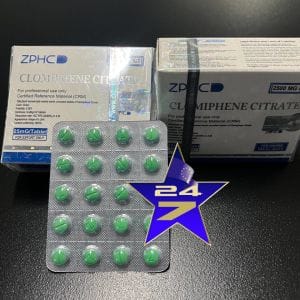
Original price was: $ 159.00.$ 65.00Current price is: $ 65.00.
STADA MEGA CUTS BLEND 300 MG 10ML (TRENBOLONE)
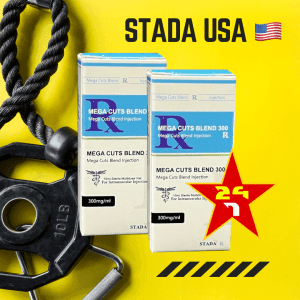
Original price was: $ 129.00.$ 119.00Current price is: $ 119.00.
The term “cortisol face” is often used to describe the physical appearance of a person experiencing prolonged stress or high levels of cortisol, a hormone released by the adrenal glands in response to stress. Chronic elevated cortisol levels can lead to various physiological changes, some of which may manifest in facial features. People with “cortisol face” might experience a puffy, round face due to fluid retention and weight gain, particularly noticeable in the cheeks and neck area, a condition sometimes referred to as “moon face.” Additionally, prolonged stress and high cortisol can contribute to skin issues, such as acne, thinning skin, and delayed wound healing, further altering one’s facial appearance. These changes can be subtle or more pronounced depending on the individual’s stress levels, lifestyle, and overall health, highlighting the complex interplay between psychological stressors and physical health outcomes.