
10 Common Foods That May Lower Your Testosterone Levels
Testosterone is a crucial hormone for both men and women, influencing muscle mass, energy levels, and overall well-being. However, certain foods can negatively affect testosterone levels, leading to fatigue, reduced muscle mass, and other health issues. Understanding which foods can diminish testosterone is essential for maintaining optimal hormone balance.
Processed Foods
Processed foods, often high in trans fats and sugars, can significantly reduce testosterone levels. These foods can increase inflammation and disrupt hormone balance, leading to decreased testosterone production. A diet rich in fresh vegetables, lean proteins, and healthy fats is recommended for those looking to maintain or boost testosterone levels.
Soy Products
Soy contains phytoestrogens, compounds that mimic estrogen in the body. High consumption of soy products can lead to an imbalance between estrogen and testosterone, potentially lowering testosterone levels. Limiting the intake of tofu, soy milk, and other soy-based products can help maintain hormonal balance.
Alcohol
Excessive alcohol consumption can have a profound impact on testosterone production. Alcohol can lead to liver damage, which in turn affects hormone regulation, resulting in lowered testosterone levels. Moderation is key, and opting for healthier beverage choices can benefit testosterone production.
Mint
Mint, particularly spearmint and peppermint, has been shown to have a cooling effect on testosterone. These herbs may increase the levels of female hormones, thereby reducing testosterone. Limiting mint teas and dishes flavored heavily with mint can help maintain testosterone levels.
Flaxseeds
Flaxseeds are a popular health food known for their omega-3 content. However, they also contain lignans, which have been found to lower testosterone levels. Balancing flaxseeds with other omega-3 sources, such as walnuts and chia seeds, can keep testosterone in check.
Licorice Root
Licorice root, often found in both candies and herbal teas, has been shown to lower testosterone levels. It contains glycyrrhizin, a compound that can disrupt hormone levels if consumed excessively. It is advisable to limit licorice in your diet to protect testosterone levels.
Dairy Products
Dairy can produce a negative impact on testosterone levels due to its hormone content. Many dairy products contain synthetic or natural hormones, which may interfere with the body’s testosterone. Opting for hormone-free dairy can mitigate potential issues.
Certain Nuts
While nuts are generally healthy, some, like almonds and walnuts, can have an adverse effect on testosterone levels. These nuts are high in polyunsaturated fats, which, when consumed in excess, can lead to lowered testosterone production. Moderation and variety in nut selection can help maintain hormonal balance.
Sugar
High sugar consumption leads to weight gain and insulin resistance, both of which can reduce testosterone levels. Reducing the intake of sugary snacks or beverages can have a beneficial effect on overall hormone health and well-being.
Conclusion
Understanding the impact of certain food choices on testosterone levels is crucial for maintaining hormonal balance and overall health. By mindful consumption of these foods, you can work towards optimizing your testosterone levels and reaping the benefits of better energy, muscle mass, and mood.
Learn more about healthy eating habits and ways to naturally balance your hormones.
FAQs
Q: How quickly can diet affect testosterone levels?
A: The effects of diet on testosterone levels can vary, but improvements might be noticed within a few weeks of dietary changes.
Q: Can herbal supplements help maintain testosterone levels?
A: Some herbal supplements may support testosterone production, but it’s essential to consult with a healthcare provider before starting any new supplement.
Q: Are there any foods that can help increase testosterone?
A: Yes, foods rich in vitamin D, zinc, and healthy fats, such as eggs, fatty fish, and avocados, can support testosterone production.
BIG SALE | FAST SHIPPING
HOT PROMOTIONS!
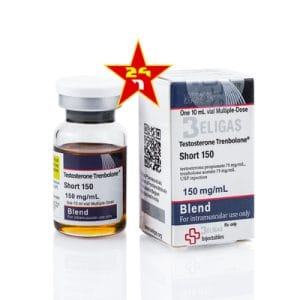
Beligas 10ml Vial Testosterone NPP Blend 150mg

Original price was: $ 121.00.$ 113.00Current price is: $ 113.00.

CLOMIPHENE TABLETS 50mg 50 TABLETS FIERCE
Original price was: $ 101.00.$ 91.00Current price is: $ 91.00.
ZPHC UltraMix 10ml MultiUse Vial 1ml = 250mg

Original price was: $ 257.00.$ 181.00Current price is: $ 181.00.

Fierce nandrolone decanoate 300 / ml 10ml

Original price was: $ 249.00.$ 149.00Current price is: $ 149.00.
Testosterone is a crucial hormone in both men and women, playing a significant role in muscle mass, bone density, and overall energy levels. However, certain foods might adversely affect its production. For instance, processed foods high in trans fats can negatively impact testosterone levels, leading to potential disruptions in hormonal balance. Excessive consumption of soy products, which contain phytoestrogens, might also mimic estrogen in the body and potentially interfere with testosterone production. Additionally, sugar-laden foods can cause insulin spikes, which may indirectly affect testosterone levels by increasing cortisol, a stress hormone that can decrease testosterone. Alcohol and mint have also been flagged for potentially reducing testosterone levels when consumed in excess. Moderation and a balanced diet rich in whole foods are essential for maintaining healthy testosterone levels, supporting overall hormonal balance and well-being.