

Benadryl vs. Melatonin: Which Sleep Aid Is Right for You?

In today’s fast-paced world, many individuals struggle with sleep disorders, primarily due to stress and hectic schedules. Consequently, various over-the-counter solutions have gained popularity as quick fixes. Among these, Benadryl and melatonin stand out as popular choices. While they may seem harmless, using them indiscriminately can lead to unwanted consequences. This article explores the use of Benadryl and melatonin, emphasizing a cautious approach to prevent dependency or health issues.
Understanding Benadryl
Benadryl, an antihistamine, is primarily used to relieve symptoms of allergy, hay fever, and the common cold. Its sedative side effects make it a popular choice for those seeking to induce sleep. However, experts caution against the prolonged use of Benadryl as a sleep aid. The main ingredient, diphenhydramine, can impair cognitive function and cause dry mouth, dizziness, or constipation with misuse. Setting a precedent of using Benadryl regularly for sleep can also lead to dependency.
Demystifying Melatonin
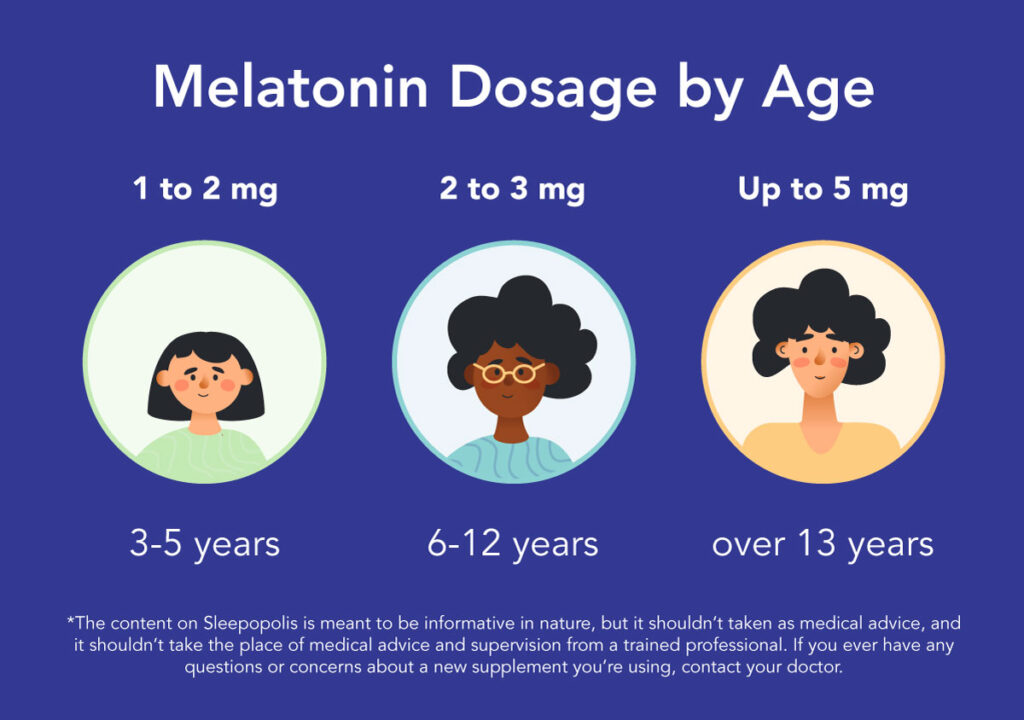
Melatonin, on the other hand, is a hormone naturally produced in the brain, signaling the body to prepare for sleep. Available as a dietary supplement, it is often used to regulate sleep patterns, especially in cases of jet lag or night shift work. Despite its natural origins, melatonin should not be consumed indiscriminately. Overusing melatonin supplements might disrupt the body’s own production of the hormone, leading to dependency and non-restorative sleep.
Benadryl Melatonin: A Harmful Combination
Combining Benadryl and melatonin is a potential pitfall for individuals desperate for sleep. The mixture may seem potent but can result in excessive sedation, confusion, and even decreased respiratory function. Health professionals advise against using Benadryl and melatonin in tandem, as their combined effects can pose significant health risks and diminish sleep quality.
A Balanced Sleeping Environment
Instead of relying on medication, creating a conducive sleeping environment is a sustainable solution. Regular sleep schedules, minimizing screentime before bed, and maintaining a comfortable room, pave the way for healthier sleep patterns. Behavioral techniques such as relaxation exercises or mindfulness meditation are valuable tools to aid sleep without pharmacological assistance.
Conclusion
Although Benadryl and melatonin are accessible options for combating sleep disturbances, they should never be used as a long-term solution. Healthcare providers emphasize that understanding the root cause of sleep issues and addressing them holistically is paramount. When medication seems necessary, it is crucial to consult with a healthcare professional to mitigate risks and take informed decisions.
BIG SALE | FAST SHIPPING
HOT PROMOTIONS!



ZPHC Clomid Clomiphene 25mg/tablet | 100 Tablets Total: 2500mg

Original price was: $ 159.00.$ 65.00Current price is: $ 65.00.




FIERCE CLOMID 50MG 50CAPS

Original price was: $ 129.00.$ 119.00Current price is: $ 119.00.

FAQs
Can I use Benadryl and melatonin together?
Using both simultaneously poses risks of excessive sedation and impaired cognitive functions. It is recommended to avoid combining these medications without medical advice. For more detailed guidelines, consult the Mayo Clinic.
How long is it safe to use melatonin supplements?
Melatonin is generally considered safe for short-term use but can lead to dependency if used excessively over time. Adopting non-pharmacological sleep techniques should be prioritized.
Are there natural alternatives to improve sleep quality?
Yes, lifestyle adjustments such as maintaining a regular sleep schedule and reducing screentime can significantly enhance sleep quality. Visit Sleep Foundation for additional tips on improving sleep hygiene.
By understanding the potential risks associated with Benadryl and melatonin, individuals can make informed choices and prioritize long-term health over quick fixes.
Benadryl and melatonin are both commonly used to aid in sleep, although they function through different mechanisms. Benadryl, the brand name for diphenhydramine, is an antihistamine that blocks histamine receptors, which can induce drowsiness and is often used for short-term relief of insomnia or allergy symptoms. On the other hand, melatonin is a hormone naturally produced by the pineal gland in the brain, and its supplementation is often used to regulate sleep-wake cycles, particularly in cases of jet lag or shift work. While both can be effective, they should be used with caution and ideally under the guidance of a healthcare professional, as they can cause side effects or interact with other medications. Regular use of Benadryl for sleep is generally not recommended due to potential side effects, such as daytime drowsiness and anticholinergic effects, whereas melatonin is often considered safer for longer-term use. Understanding the differences and appropriate use cases for each can help individuals make informed decisions about managing sleep issues.