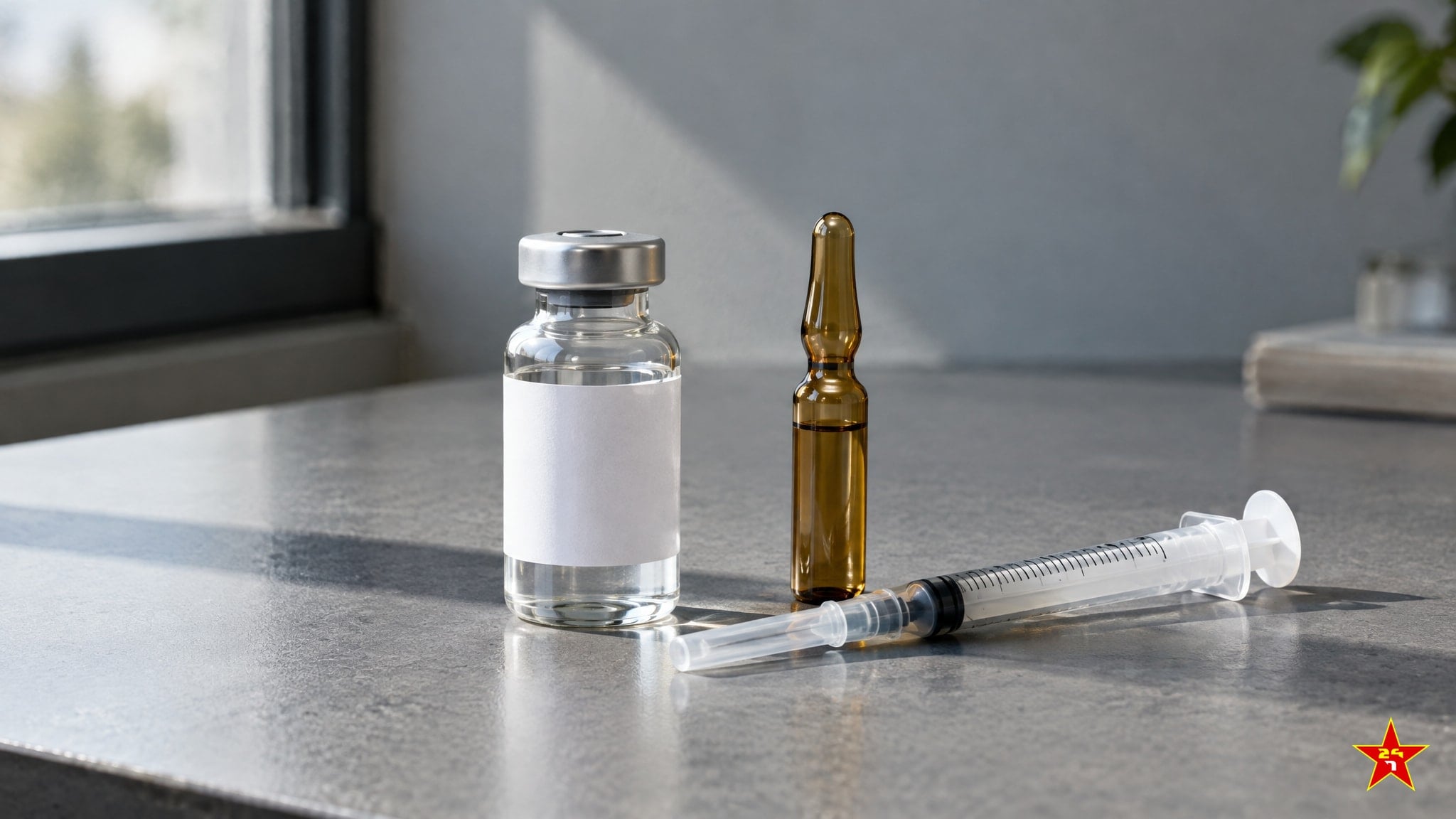

Best TRT Clinic Online: How to Choose & What to Check
Search for an online TRT clinic and you’ll hit a wall of “Top 10” lists. Most of them are built around referral links, so the clinic that pays best tends to land at number one.
This article does something different. It gives you a checklist you can run against any provider: bloodwork, physician access, follow-up, pricing and red flags. Use it on the clinics you’re considering and the ranking decides itself.
What Makes the Best TRT Clinic Online (Short Answer First)
The best TRT clinic online is the one that does what a good in-person doctor would do. It orders real labs, has a licensed clinician who actually reads them, tells you the all-in monthly price in writing, and books follow-up testing after you start.
That’s the whole formula. Everything else (slick apps, celebrity-style branding, same-day shipping) is packaging.
Here is the five-line scorecard. Give each item 0 (missing), 1 (partial) or 2 (solid):
- Labs: repeat morning testosterone plus a baseline panel before any prescription
- Clinician: named, licensed where you live, reachable with questions
- Pricing: one monthly figure that includes medication, labs and follow-up
- Follow-up: retesting after you start, with dose changes based on results
- Red flags: none of the warning signs listed further down
A zero on labs or clinician rules a provider out, whatever the total. The rest of this piece explains how to score each line.
Legally, yes, you can get TRT through telehealth. In the US, testosterone is a Schedule III controlled substance, which is why a valid prescription and a genuine evaluation are required. A legitimate process looks like intake, lab orders, a consultation with a licensed prescriber, and a prescription filled by a pharmacy. Rules on prescribing controlled substances by telemedicine have been changing, so ask any clinic how it complies. Outside the US, regulations differ by country.
Bloodwork and Diagnosis: What a Legitimate Clinic Requires
Diagnosis comes before treatment. If a clinic is eager to skip that step, you’re being sold a subscription, not a diagnosis.
TRT bloodwork requirements before any prescription
Endocrinology guidance, including the Endocrine Society’s clinical practice guideline on testosterone therapy in men with hypogonadism, says the same thing in plain terms. Diagnose low testosterone only when symptoms are present and morning blood tests are low on more than one occasion. During therapy, monitor hematocrit and PSA.
In practice, TRT bloodwork requirements at a sound clinic usually include:
- Total testosterone and free testosterone, drawn in the morning
- A repeat of those tests on a separate day
- Estradiol
- Hematocrit (and usually a full blood count)
- PSA, where age and risk make it appropriate
- A lipid panel
- A symptom review covering libido, energy, mood, sleep and erectile function
Free testosterone matters because total testosterone can mislead when binding proteins are high or low. A clinic that only checks total testosterone is working with half the picture.
A clinic that prescribes from a questionnaire alone is not doing medicine. You can fill in a symptom quiz in two minutes, and so can a man who is tired because he sleeps five hours a night.
Why a single low reading isn’t enough
Testosterone swings through the day, drops after a poor night’s sleep, and falls during illness, heavy dieting or a brutal training block. One low number can simply reflect a bad week.
That’s why guidelines call for confirmation with a repeat test. It’s also why a clinic that is happy to diagnose you from one result, or from a finger-prick kit with no follow-up, deserves some suspicion.
You should also expect questions about what else could explain low numbers: sleep apnea, obesity, medications, opioid use, thyroid or pituitary problems. A good clinician rules these out first, because treating the cause sometimes works better than replacing the hormone.
Physician Access and Licensing
A prescription is only as good as the person writing it. Before you hand over card details, find out who that person is.
Who actually reviews your labs
Look for a named clinician, licensed in your state (or your country, if you’re outside the US), whose credentials you can verify on a public register. “Our medical team” with no names and no licence numbers is not an answer.
Then check what the access looks like. Can you message the prescriber directly, or only a support agent? Is there a real consultation, by video or phone, before the first prescription? Does someone explain your results, or do you simply get a PDF and a shipping notification?
A clinic can be perfectly legal and still be a pill mill in spirit. The difference shows up in whether a human being with a licence engages with your numbers.
Telemedicine vs in-person: what each does well
TRT telemedicine wins on convenience. You skip the waiting room, labs can be drawn at a local lab partner, and follow-up is a message or a video call away. For a healthy man with clear symptoms and a straightforward history, that’s often all you need.
In-person care wins when a physical exam matters. A doctor can check your testicles and prostate, take your blood pressure on the spot, and observe things a form never captures. If you inject yourself, some clinics will also teach technique in the room, which beats a video.
Searching for a TRT doctor near me still makes sense in a few situations:
- You have a complex medical history, such as heart disease, sleep apnea or a prior blood clot
- You want to keep fertility options open and need a specialist’s input
- You’re nervous about injections and want supervised first doses
- You’d rather have one local clinician coordinate everything
If none of that applies, a well-run online TRT clinic is a reasonable choice. If several do, it isn’t the right fit for you, and no amount of convenience changes that.
TRT Clinic Cost and Hidden Fees
The headline price is the least useful number on a clinic’s website. What you want is the monthly total once everything is in.
Membership fee vs all-in monthly cost
Two business models dominate. One is a low-fee membership where the clinic charges a modest monthly rate, then bills medication, lab work and follow-up testing separately. The other is a higher-priced program built around extensive diagnostics, extra panels and add-on services, sometimes in a functional-medicine style.
Neither is automatically bad. The cheap one can be the better deal if the extras are reasonable, and the expensive one can be good value if the extra testing genuinely changes your treatment. The problem is that you can’t compare them by looking at the sticker price, because a low membership fee can end up costing more than a pricier bundle once labs and medication are added.
So build your own figure. Add the membership, the medication, the pharmacy or shipping charge, the baseline labs, and each retest, then divide by the months you’ll actually be on treatment. That’s your real TRT clinic cost, and it’s the only number worth comparing.
Questions to ask before you pay
Ask these in writing, and treat vague answers as answers:
- What is the total monthly cost, including medication?
- Are baseline and follow-up labs included? If not, what does each panel cost?
- What happens if a lab result needs a redraw?
- Are refills, dose changes or consultations billed separately?
- How do I cancel, and is there a notice period or exit fee?
- If the price changes after the first month, how will you tell me?
Prices also depend on the form and strength of testosterone you’re prescribed, so a clinic quoting one number without asking about your dosing plan is guessing.
Follow-Up Monitoring and Dose Adjustment
Starting therapy is the easy part. The value of a clinic shows up in the months afterwards, and this is where bargain providers quietly cut corners.
What a sensible monitoring schedule looks like
A sensible clinic retests after you start, then adjusts your dose based on both labs and how you feel. Tests are usually closer together early on and spread out once your levels settle. Ask for the schedule in advance, since a clinic with a real protocol will have one ready.
If a provider’s whole process is “pay monthly, receive vials”, it’s a refill service. A refill service has no incentive to look at your numbers, because a lower dose or a pause costs it revenue.
Managing side effects, hematocrit and estradiol
Testosterone therapy can raise hematocrit, the proportion of red cells in your blood. If it climbs too high, blood gets thicker and risks go up, which is why guidance calls for monitoring it. Your clinician should watch it over time and have a plan, such as a dose change, if it drifts upward.
Estradiol is the other regular watch item. Some men see it rise on therapy, which can cause water retention or mood and libido changes. A good clinician looks at symptoms and labs together instead of reflexively adding an aromatase inhibitor to every prescription. PSA monitoring matters too, particularly as you get older.
Fertility deserves a conversation before you start, not after. TRT can suppress sperm production, and it’s not a fertility treatment. If you want children now or later, tell the clinician at the first consultation. That may change the whole plan, or point you toward a specialist.
Red Flags and How to Read TRT Clinic Reviews
By now you have a feel for what good looks like. Bad is usually easier to spot.
Red flags that should end the conversation
Walk away if you see any of these:
- No labs, or labs that a questionnaire can replace
- Guaranteed results, or promises about muscle, fat loss or libido
- Pressure to buy a bundle, or a countdown timer on the offer
- Add-ons (peptides, supplements, extra injectables) pushed as essential
- No named physician, or a clinician you can’t contact
- Vague licensing, such as “licensed providers” with no state or register
One flag is a reason to ask questions. Two is a reason to leave.
Spotting affiliate-driven reviews
When you read TRT clinic reviews, start with what the reviewer actually describes. Useful reviews talk about labs ordered, how fast a clinician replied, whether the dose was adjusted, and what the final bill came to. Useless ones talk about “amazing energy” and “life-changing” results.
Ranking pages with referral links in every paragraph earn money when you click, not when you’re treated well. That doesn’t make them all wrong, but it does mean you should check whether the page discloses its relationship and whether the clinic at number one differs in any concrete way from number five.
Forum posts are better for texture than for verdicts. One man’s smooth experience, or his horror story, tells you what can happen, not what usually does.
Go back to the scorecard from the start of this article and rate each clinic yourself. It takes ten minutes and it’s immune to sponsorship.
Prescribed TRT vs Other Routes: Staying Safe
Some readers reach this point and think about skipping clinics altogether and buying testosterone from unregulated sources. That’s the route this article argues against, and the reason is practical, not moral.
With prescribed TRT, a clinician confirms you need treatment, a pharmacy supplies a product made to a regulated standard, and someone checks your bloodwork over time. Strip that out and you lose the monitoring that catches rising hematocrit, shifting estradiol or a PSA change early. You also lose any certainty about what’s in the vial. It’s the monitoring, more than the hormone itself, that keeps the therapy safe.
So, do men need a prescription for testosterone? In the US and many other countries, yes. A licensed prescriber, such as a physician, nurse practitioner or physician assistant depending on local rules, has to write it after an evaluation.
Can you ask your GP for a testosterone test first? Yes, and it’s a sensible first step. Describe your symptoms, ask for a morning blood test, and keep the results. Even if the GP won’t prescribe, those labs give you a baseline that makes any later clinic conversation better. Be aware that some GPs refer to an endocrinologist instead of treating, and policies differ between countries.
If you’re researching brands and quality standards in this space, there’s an honest look at Stada Labs and a Crowx Labs product range and quality review that show how we assess a manufacturer. They’re background reading, not a substitute for medical supervision.
This isn’t medical advice, and it can’t tell you whether TRT is right for you. That decision belongs with a qualified clinician who has your results in front of them.
Run the scorecard on every clinic you’re considering, and when you want to keep learning before you commit, there are more articles on TRT and testosterone to work through.
Frequently asked questions
Can I order TRT online?
Yes, through a telehealth clinic where a licensed clinician evaluates you, reviews your bloodwork and prescribes, with a pharmacy dispensing the medication. You can’t legitimately just buy prescription testosterone with a checkout button and no evaluation. Rules differ by country, and US telemedicine rules for controlled substances have been changing, so ask the clinic how it complies.
How much does 200 mg of testosterone cost?
There’s no single honest figure, because price depends on the formulation, concentration, pharmacy and whether it’s billed separately from membership. Ask any clinic for the price of your actual prescription, then add labs and fees to get an all-in monthly cost. Comparing per-vial prices alone tells you very little.
How soon should I be retested after starting TRT?
A sound clinic retests within the first few months, adjusts your dose based on the results and how you feel, then spreads checks out once your levels are stable. Ask for the exact schedule before you sign up. If a provider has no schedule at all, treat that as a warning sign.
Will TRT affect my fertility?
It can. Testosterone therapy tends to suppress sperm production, and it’s not a fertility treatment. If you want children now or later, raise it at your first consultation so the clinician can plan around it or refer you to a specialist.
Is telemedicine TRT as safe as seeing a doctor in person?
It can be, if the clinic requires real labs, has a licensed clinician who reviews them and follows a monitoring schedule. It’s a weaker fit if you have a complex medical history, fertility concerns or need supervised injections. In those cases a local doctor is the better choice.