

Beyond Blue and Brown: Exploring the Mystique of Rare Eye Colors

Amber Eyes
Amber eyes possess a golden, yellowish hue reminiscent of the stone for which they are named. This rare eye colour is due to the presence of lipochrome, a yellow pigment found in the iris. Amber eyes are distinct because of their clear, solid colour, unlike the mix of hues found in hazel eyes. This eye colour is incredibly rare, especially in humans, making it a captivating feature.
Gray Eyes
Gray eyes, often described as enigmatic, are less commonly found worldwide. People with gray eyes typically have a low amount of melanin in their irises, leading to a subtly light and silver-like appearance. Gray eyes can appear to change in colour, depending on lighting and clothing.
Violet Eyes
Made famous by actress Elizabeth Taylor, violet eyes are extremely rare. The unique colour results from a mixture of red and blue reflections, creating an alluring periwinkle shade. Though this eye colour can appear under certain lighting, true violet eyes are exceedingly uncommon.
Green Eyes
Green eyes are celebrated for their mystery and allure. They are rare due to the combination of low melanin and high lipochrome levels. The distinctive emerald shade is found more commonly in people of Celtic or Germanic ancestry.
Red Eyes
Red eyes are often associated with albinism, a condition that leads to a lack of pigment in the skin, hair, and eyes. Due to this lack of pigment, the blood vessels inside the eyes are more visible, creating a red or pinkish hue. This eye colour is very rare and typically linked to particular genetic conditions.
Conclusion
Rare eye colours, whether amber, gray, or violet, add to the beauty and diversity of human appearance. These unique hues remind us of the intricate and varied nature of genetics. Despite their scarcity, the rarity of these eye colours only enhances their allure, making them a subject of fascination for both researchers and the general public.
BIG SALE | FAST SHIPPING
HOT PROMOTIONS!
ZPHC UltraMix 1ml amps x 10 amps - 1ml = 250mg
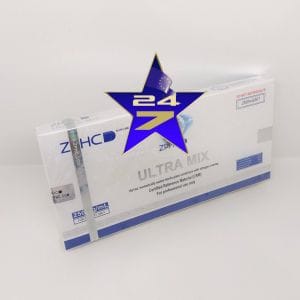
Original price was: $ 259.00.$ 179.00Current price is: $ 179.00.


ZPHC UltraMix 10ml MultiUse Vial 1ml = 250mg

Original price was: $ 255.00.$ 179.00Current price is: $ 179.00.




CYT 3 6MG | T3 | Yohimbe | Clen | Weight Loss Blend | 100 Tablets Total Kit 600mg

$ 69.00
FAQs
What is the rarest eye colour?
The rarest eye colours are generally acknowledged to be amber, violet, and red eyes.
Can eye colour change over time?
While eye colour is largely determined by genetics, it can change due to lighting conditions or health issues. However, drastic changes in eye colour in adults are rare.
Discover more about eye genetics on Scientific American and WebMD.
Rare eye colors add a fascinating dimension to human diversity, capturing intrigue and admiration wherever they appear. Among the least common hues are green, gray, and amber eyes, each displaying a unique blend of shades. Green eyes, often associated with mystique, occur less than 2% of the global population and tend to be more prevalent in people of European descent. Gray eyes, possessing a mysterious silvery tint, are even rarer and can appear to change color according to lighting and surroundings due to variations in the stroma of the iris. Amber eyes, with their golden, amber-like hue, are another rare phenomenon, resulting from a high concentration of the pigment lipochrome. These unusual eye colors are typically the result of complex genetic inheritances, making them a subject of continuous fascination in both scientific and cultural contexts.